As geopolitical tensions and mass tragedy-led demand disruptions threaten to widen losses for Indian airlines, carriers would need to figure out how they can leverage their improved pricing power without losing price-sensitive Indian passengers.
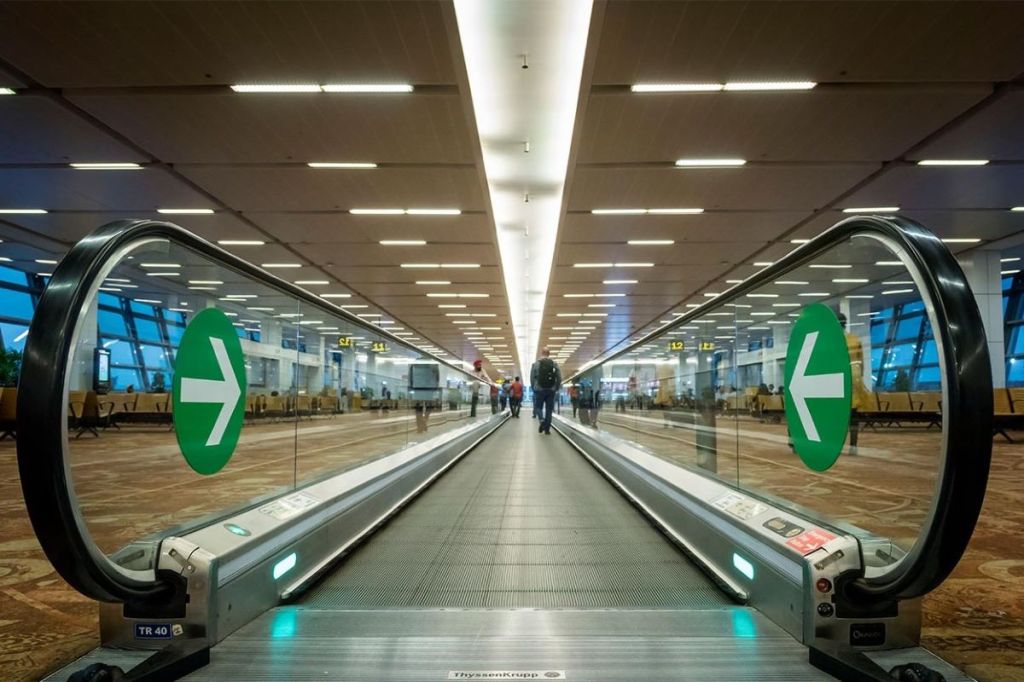
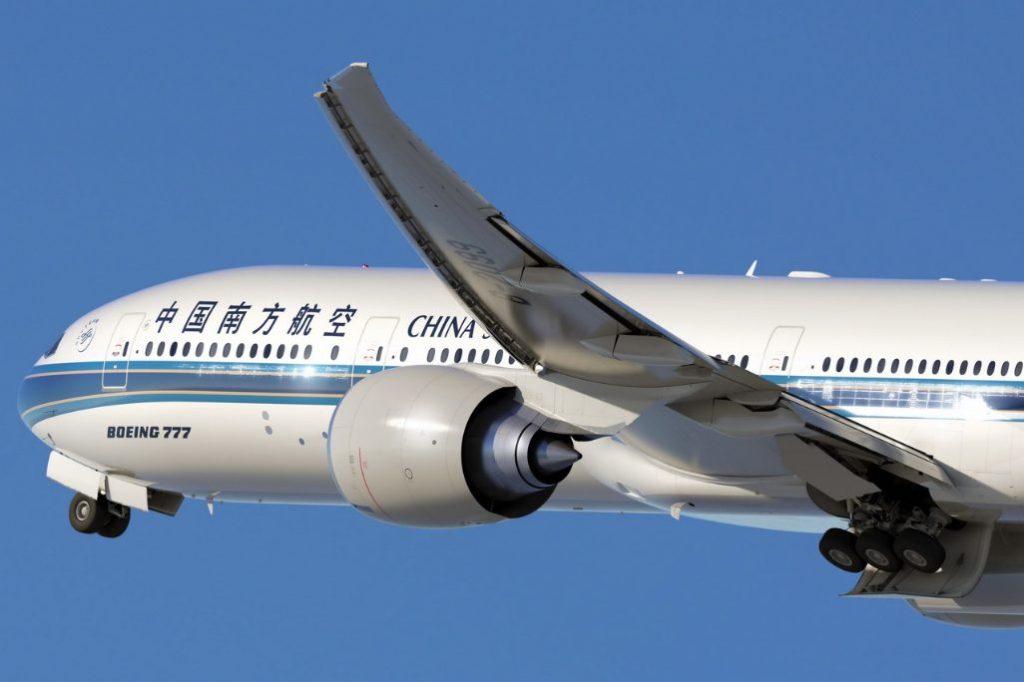
After five years of frozen skies, India and China are making moves to resume nonstop flights. With diplomacy cautiously warming, who will take the lead in reconnecting Asia’s two largest economies?
The July 2025 Skift Travel Health Index shows the global travel industry remains resilient with a 1% growth. A key trend is the sustained strength of premium and business travel, which continues to grow and drive revenue despite broader economic uncertainties.
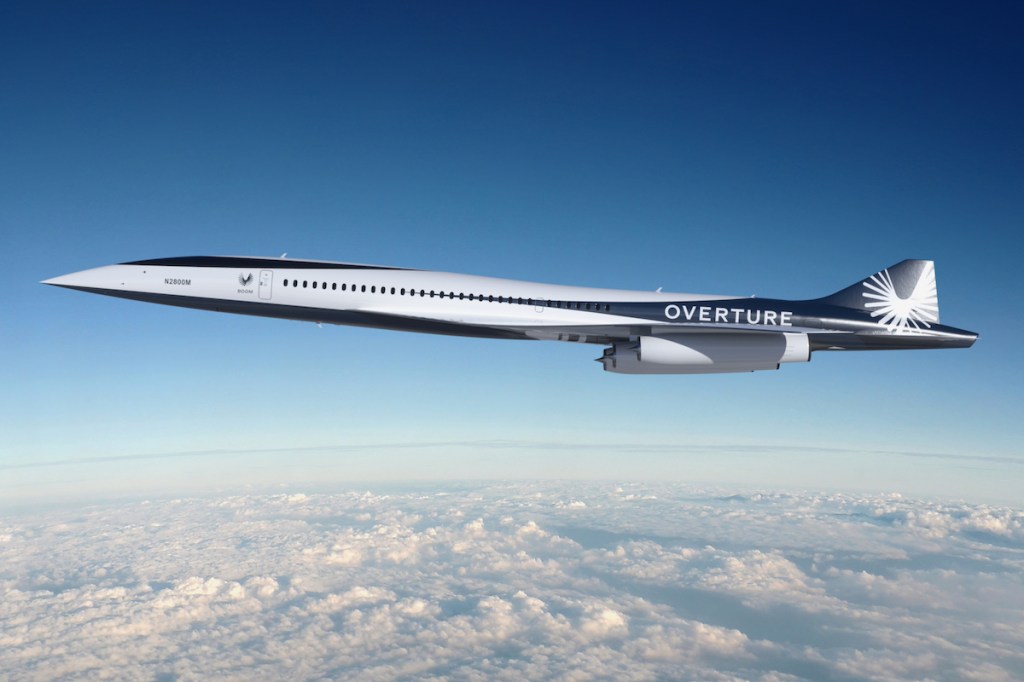
Boom Supersonic’s Blake Scholl says faster-than-sound passenger flights could launch before the decade’s end — and this time, the economics may finally work.
Just 59% of international economy tickets benefit from corporate discounts, Emburse says. That means on higher-priced long-haul routes, a huge share of travelers are paying full fare.
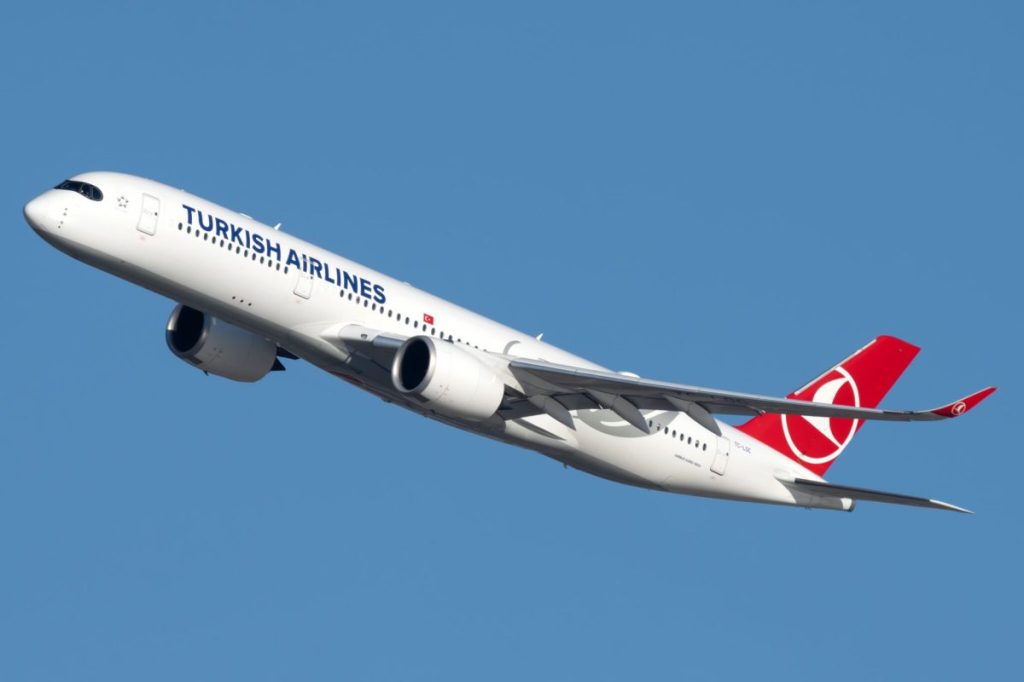
Turkish Airlines doesn’t need full control of Air Europa to gain a foothold in Latin America – just a well-timed minority stake with fewer regulatory headaches than its European rivals.
The breakthrough is a positive step, however it remains subject to final approval by union members. It’ll also take up to 10 days to get the Air Canada network back to normal.
War and peace dominate the headlines, but aviation executives will also be watching for clues about airspace access, lower costs, and long-term commercial opportunities.
Malaysia Airlines is stepping back from budget fare battles. Instead, it’s doubling down on traditional strengths with a little help from next-generation tech.