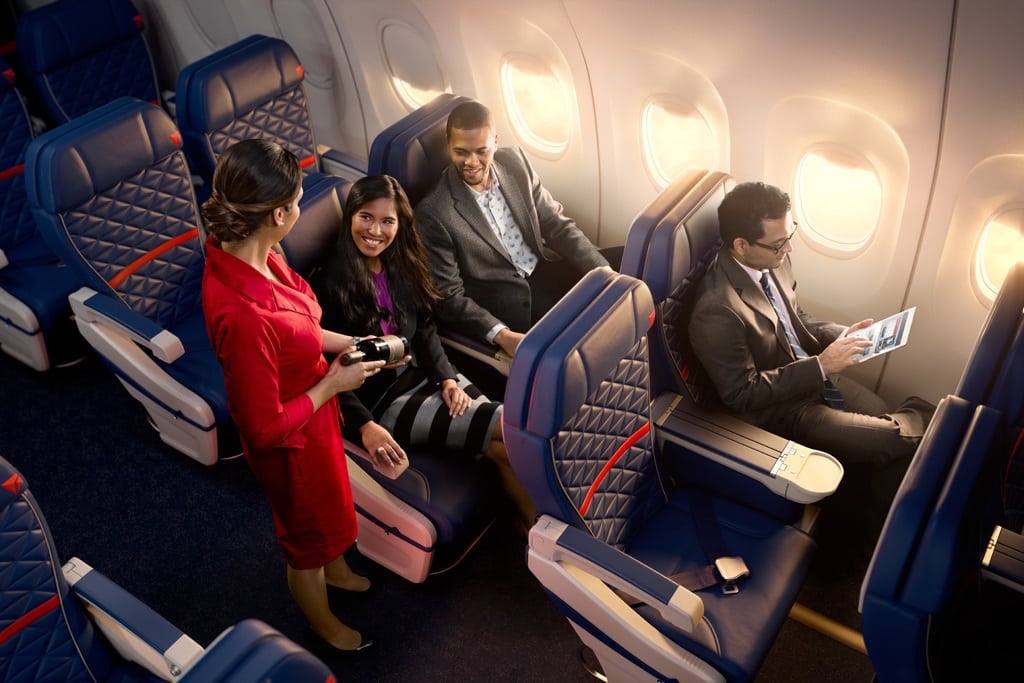
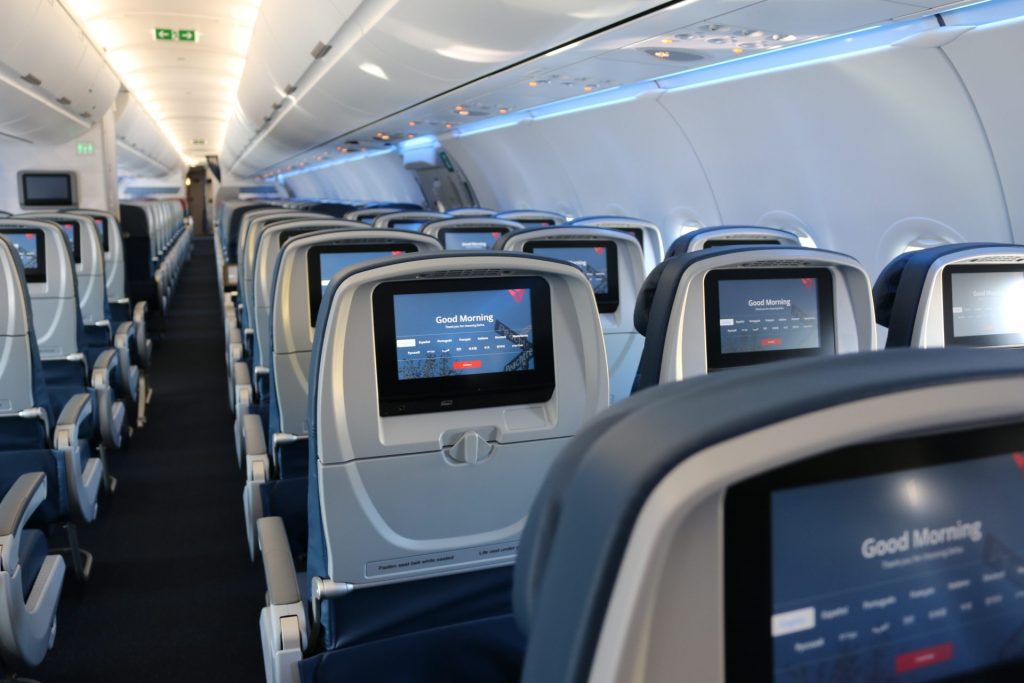
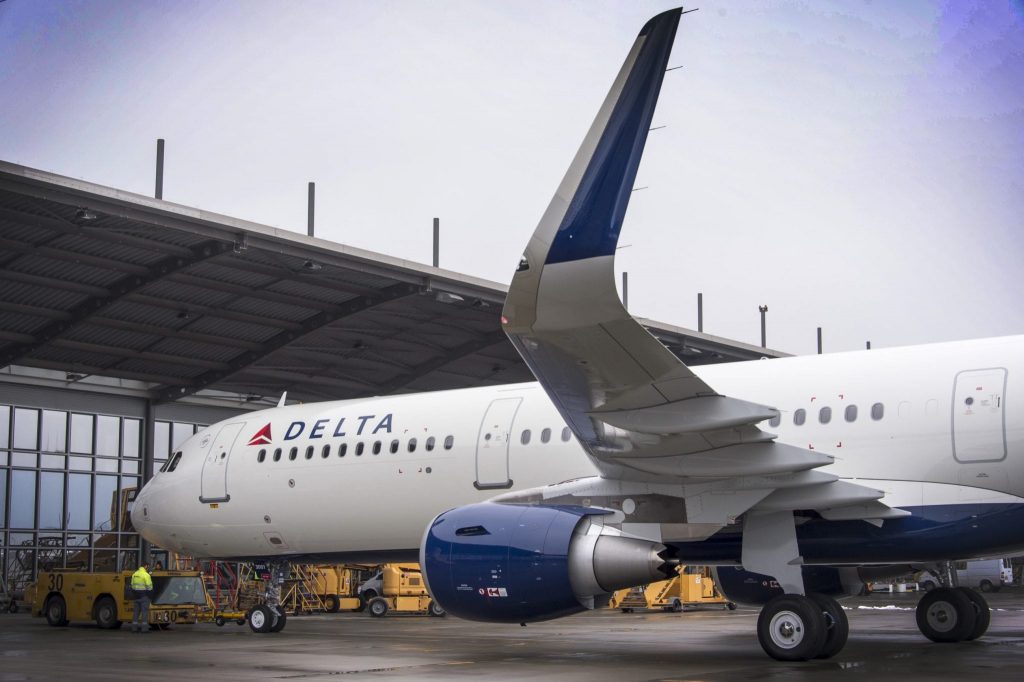
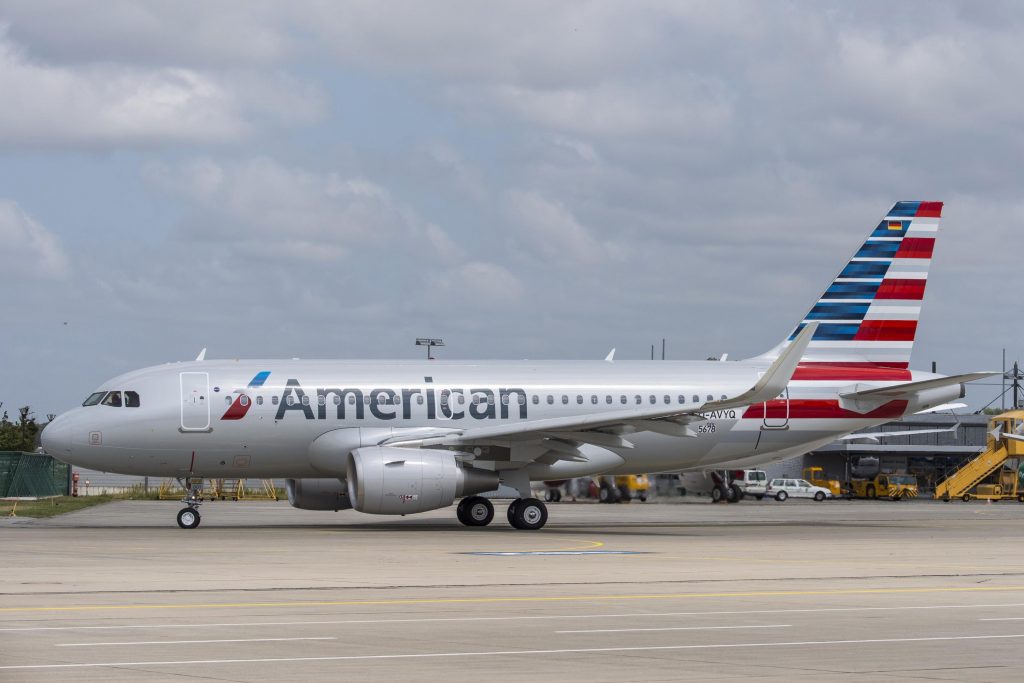
Despite the issue of seat recline being a perennial hot-button topic, most passengers seem to be in support of Delta limiting the amount of seat recline on some flights.
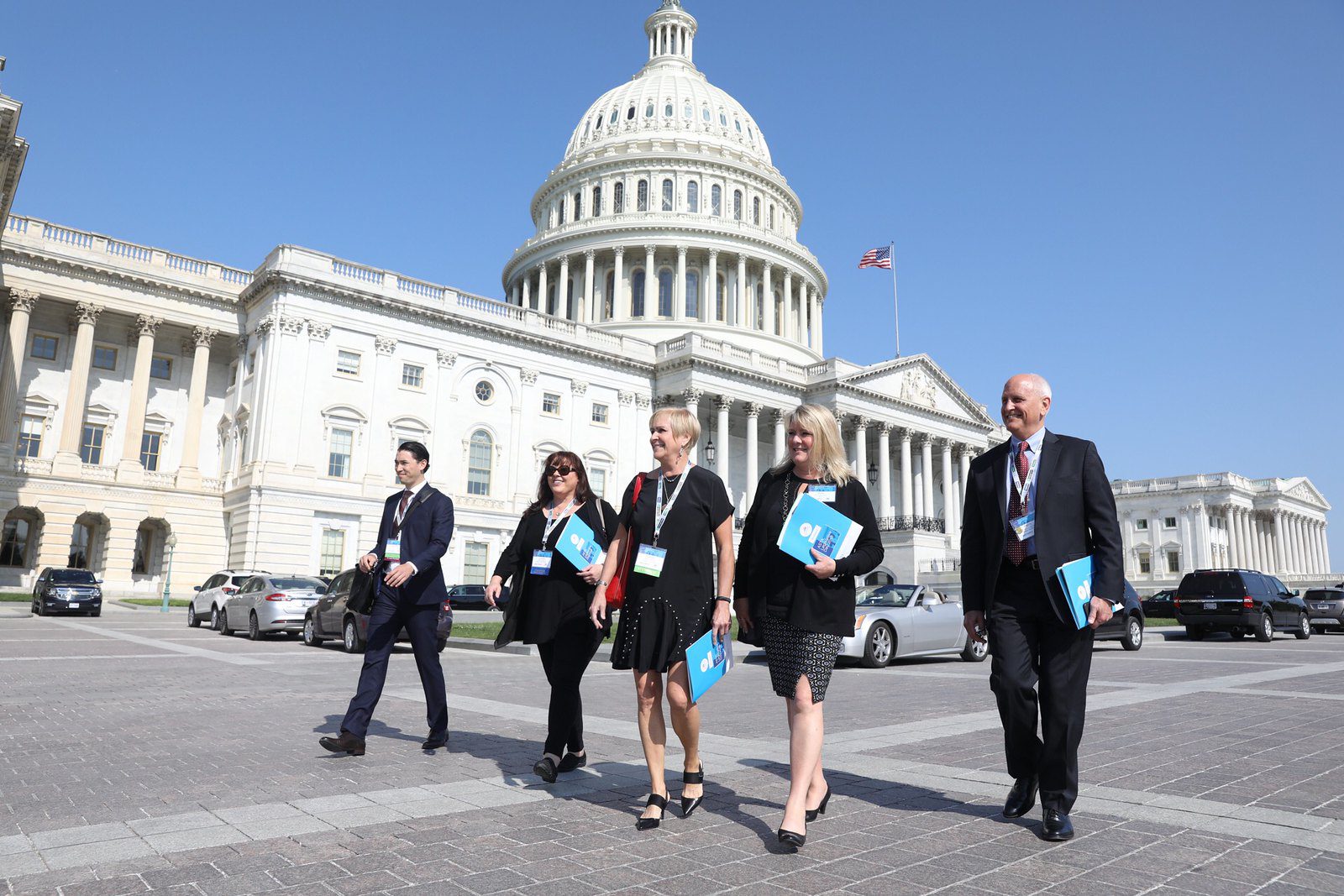
Contributions to the American Society of Travel Advisors’ political action committee are up this year, indicating growing awareness of the value of political advocacy. Making politicians aware of the particular needs of travel agencies — something many have little understanding of — is crucial.
This could go one of two ways. Passengers could revolt, taking to social media to complain about Delta's decision to reduce recline on 62 airplanes. Or customers could be pleasantly surprised at how much space they'll have under Delta's new test configuration.
JetBlue revealed one of aviation’s worst-kept secrets by announcing flights to Europe. The move will attract fire from competitors, but even so, JetBlue is not risking the company with these new routes.
The Department of Transportation means well with its tarmac delay program. And it has been helpful for customers, who need not fear being trapped on planes for hours. These fines on the airlines are nothing, but the publicity is a reminder to try to do better.