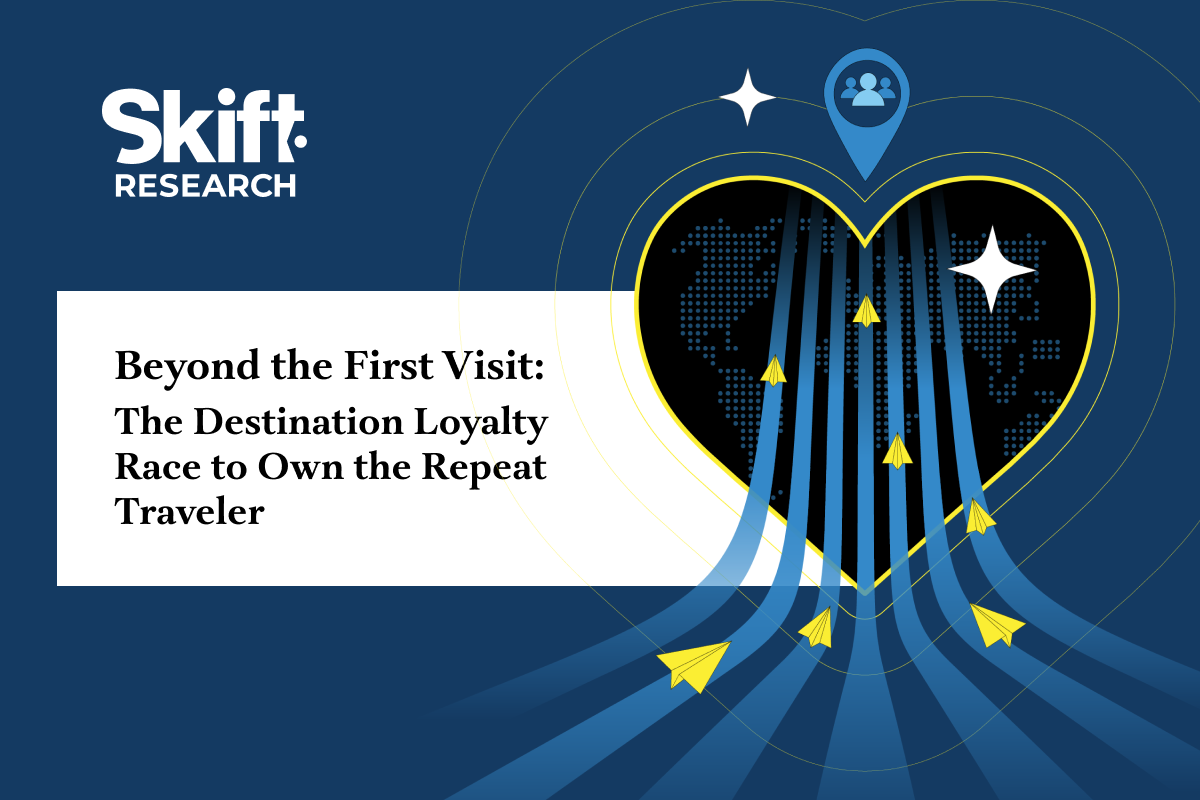

The traditional destination growth model, built on attracting first-time visitors might become unsustainable with rising acquisition costs, shifting traveler behavior, and growing competition. Destinations must work on strategies to be chosen again.
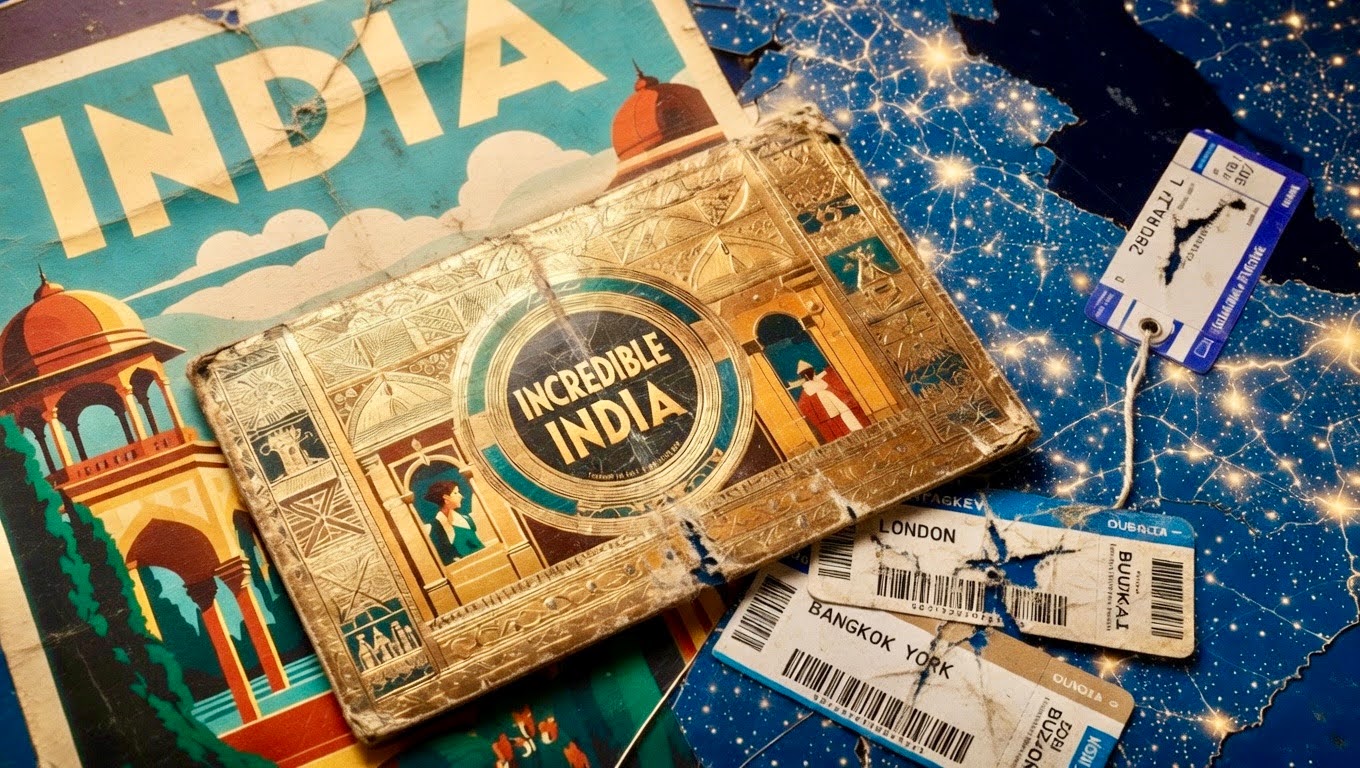
“Incredible India” was built to attract outsiders, but the center of gravity in Indian travel has shifted from selling the country abroad to building for travelers at home.
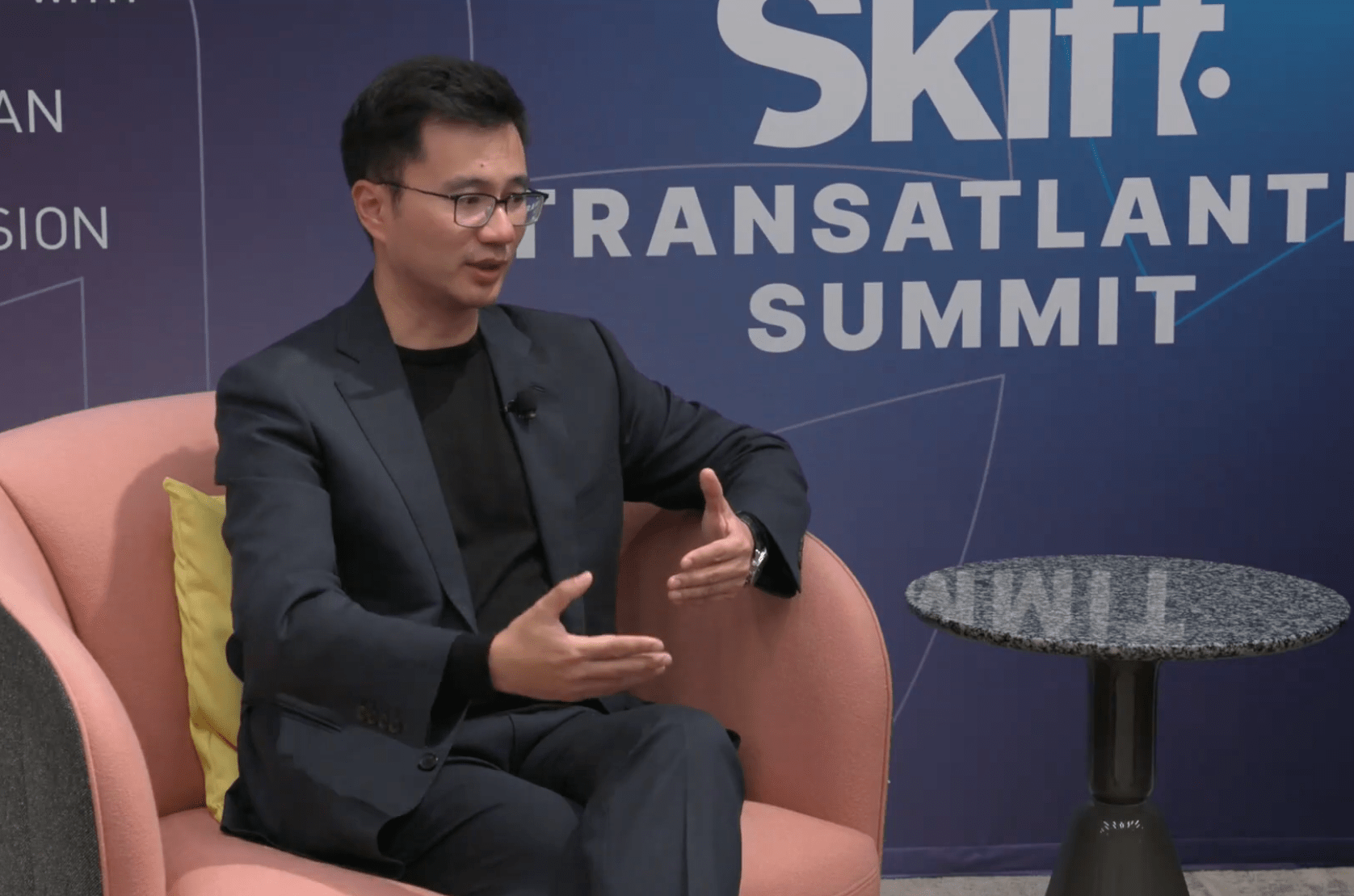
As Trip.com further expands into Europe and North America, the company is leveraging learnings from its work in the Asia-Pacific region. Road-tested strategies around customer service, localization, partnerships, and industry collaboration are propelling Asia’s leading travel service provider into its next era.
Hotels, airlines, and travel players stand to benefit as concerts in India are no longer localized, with Indians repeatedly traveling as far as they need to for the experience.
Travelers aren’t browsing aimlessly - they’re searching with precision. Google says the future of travel discovery lies in creators, AI tools, and meeting intent in the moment.
Indian travel players have maximized their own customer base. They now recognize that the next phase of growth comes from quick commerce companies that have a customer base that is willing to spend for convenience.