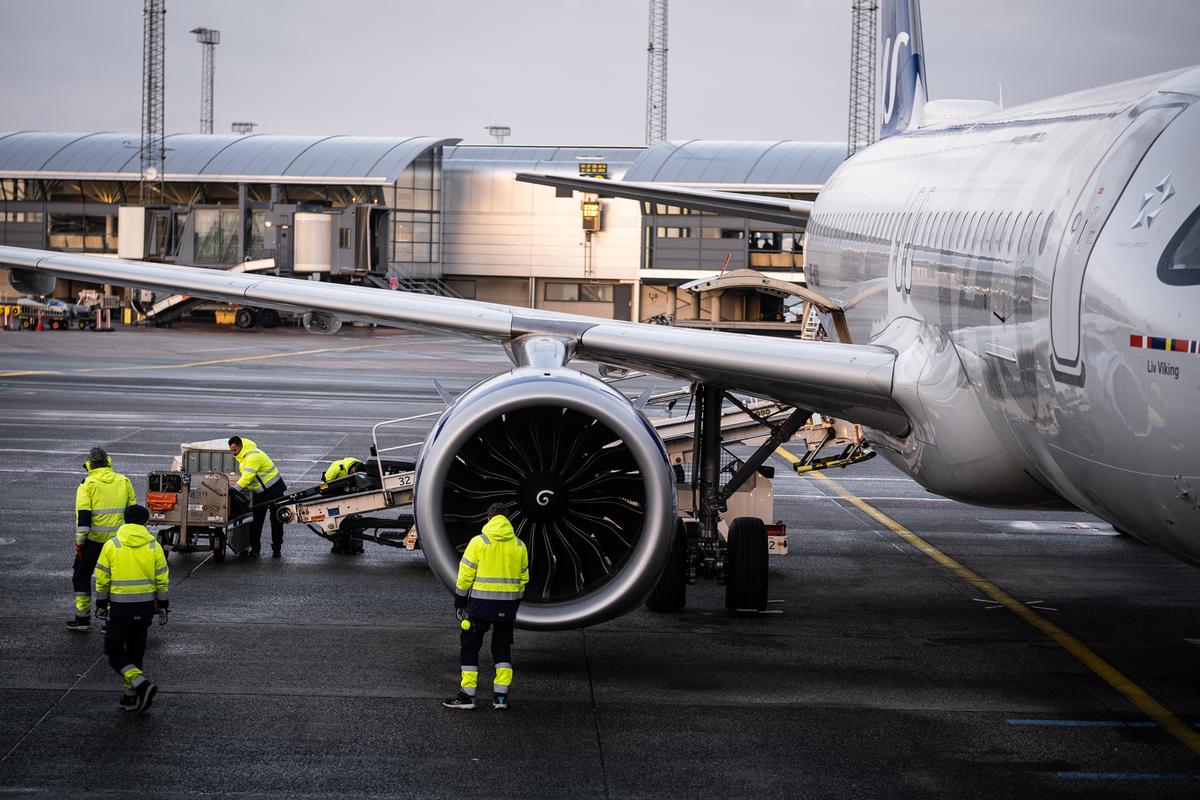

Europe's skies are evolving with fewer short hops and more seats per flight. But huge questions remain over the industry's path to reduce its carbon impact.
The dollar's decline is splitting the hotel industry along regional lines. European and Asian chains are feeling the pinch while U.S.-based operators barely mention the turbulence.
Despite heightened economic uncertainty and shifting consumer sentiment, the global travel industry showed resilience through the first half of 2025. The Skift Travel Health Index recorded 3% year-on-year growth in global travel performance as of June 2025.
France may be a saturated market, but for Dusit, it’s a strategic starting point: high visibility, high risk, and just enough white space for a small player with a clear point of view.
While it may be a bit early to call IndiGo a global player, it's no longer just India’s largest domestic airline. It’s steadily working to be something more.
China’s travel agents are rebuilding their outbound business with a blend of old-school connections and new-age tech. The pivot to AI and the renewed interest in Europe aren't just trends, they’re a response to how traveler expectations have changed.
Copenhagen is one of Europe’s fastest growing airports this summer. Scheduled seat capacity in the Danish capital is up 7% y/y, according to Cirium Diio. Surprisingly, Copenhagen is growing without much help from Europe’s low-cost airlines. It's legacy player SAS that’s responsible for most of the rise, as we explain in this week’s feature story.
The global airline sector is in a growth phase, projected to reach $949 billion by 2026, driven by strong leisure demand and the significant rebound of business travel.