
Mobile is everything in Latin America, even more so than the U.S., so travelers in Brazil and Mexico are more receptive to using digital payment features than their peers in the U.S.
With the emergence of TripAdvisor and Google as online travel agency alternatives and Amazon waiting in the wings if it ever figures out what it wants to do in travel, all the signs point toward an increasingly competitive online travel agency market in the U.S. These are factors the DOJ will consider when mulling the Expedia-Orbitz deal.
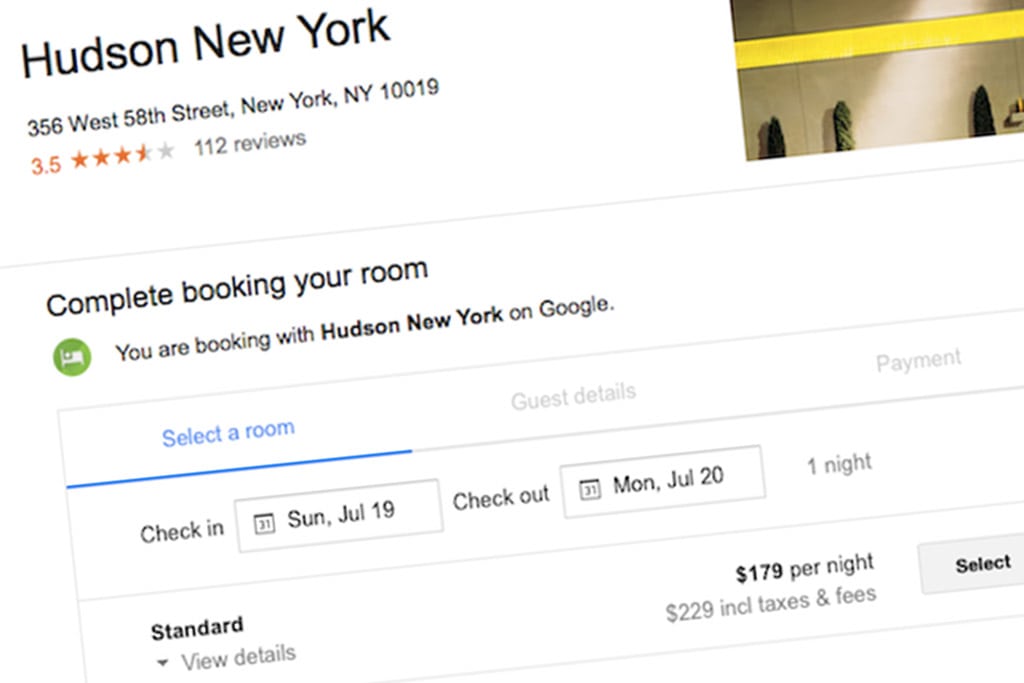
Google has the ability to scale its hotel-booking service because of the already-existing integration of third-party hotel-technology partners such as Sabre, and due to Google's sheer reach.
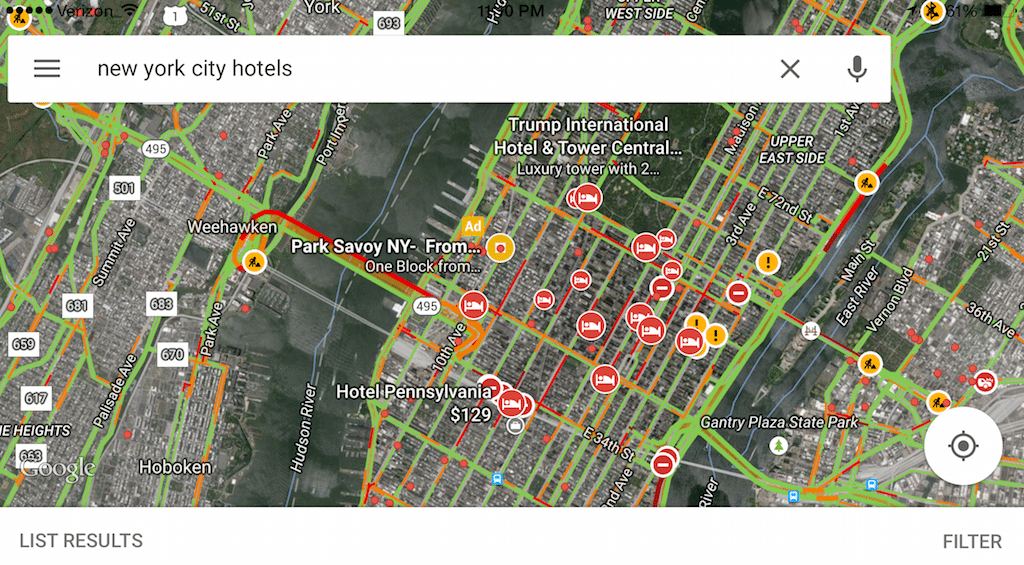
For Google, the new program means it has the potential to become even more of a central hub for the travel industry as it can offer hotel-booking functionality to its massive base of users on desktop and mobile, in search and maps. Just wait until Google integrates flights and hotels. That's coming too.
How soon will it be before U.S. regulators take up the issue of the pricing control wielded by the four largest U.S. airlines? On the other hand, the U.S. Department of Justice helped to create this mess.
Old metasearch sites, like old soldiers, don't die. They just fade away. That may be the case for Google Hotel Finder as Google's hotel listings right on the first search results page funnel users in a streamlined way to Google's hotel ads.
We appreciate this honest take from Arnold. It's not everyday we see a brand admit that it's not always going to get it right, but it's always going to forge ahead where others fear to tread.
Travel metasearch continued its growth spurt in 2014, and 2015 is shaping up as a year of disruption. And some of this disruption is coming from the travel suppliers themselves.