Hilton acknowledges that hotels have been behind the curve on tech. But there are plenty of ways it's using AI to enhance the guest experience - and get more revenue too.
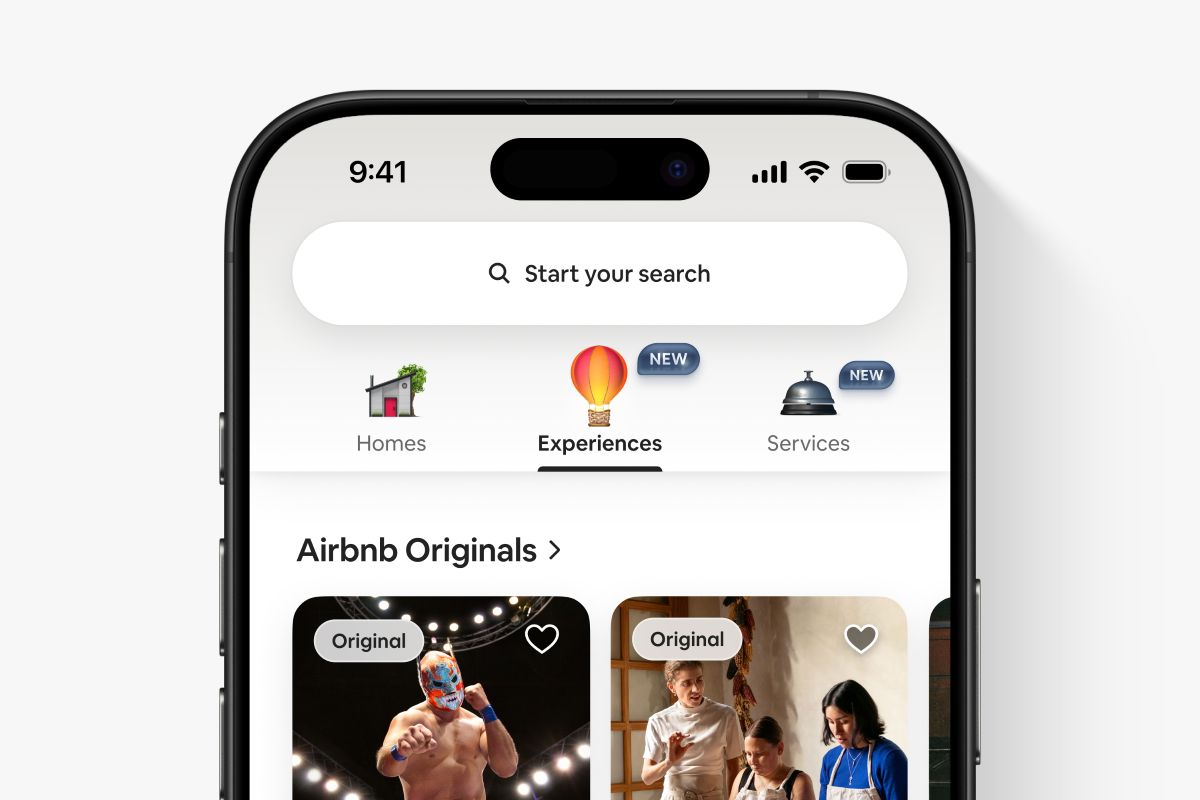
Airbnb’s relaunch of its Experiences platform and new offering of hotel-style à la carte services might pressure hoteliers. But so far, many hotel execs seem unfazed.
By focusing on franchise and joint venture deals, Hilton’s found a way to grow quickly without spending a lot of its own money. It’s a smart, low-risk strategy and one that seems to be paying off.
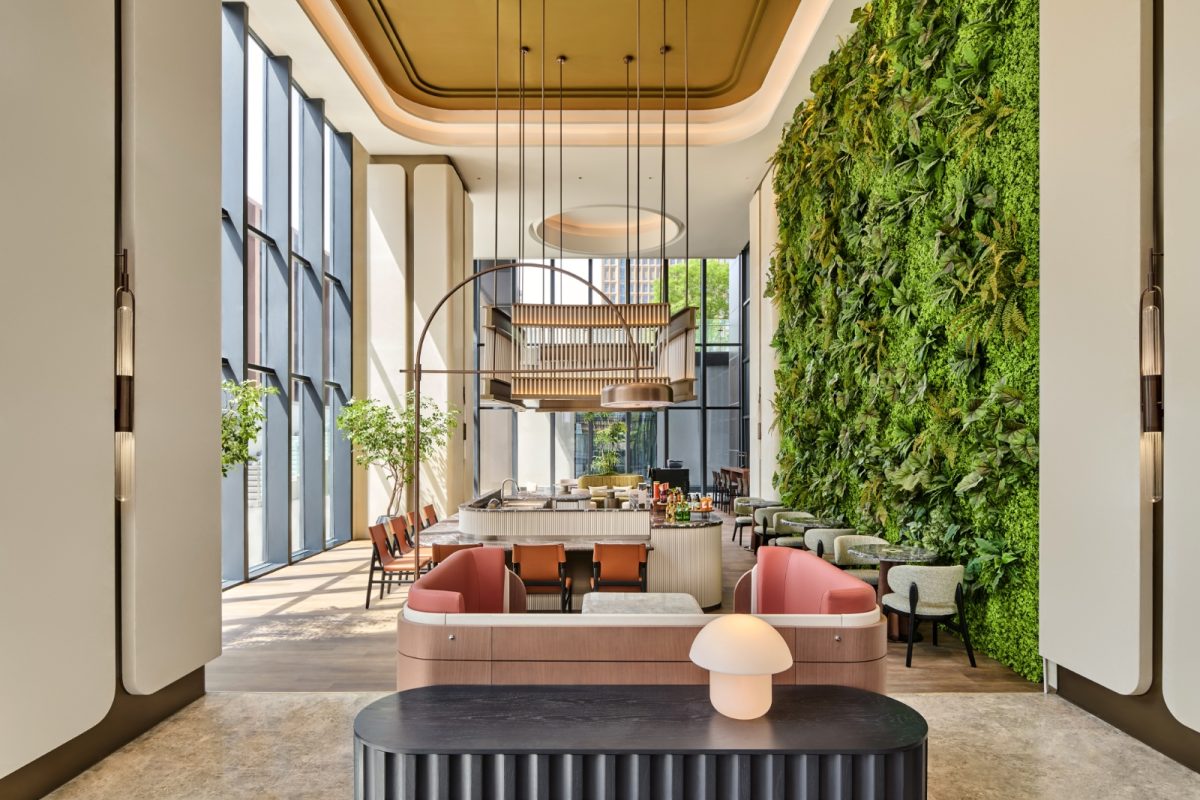
Hilton expects to open three luxury and lifestyle properties a week this year, on average. This puts it on track to have a substantially larger share of luxury and lifestyle rooms than its peers, partly to make its loyalty program more attractive to travelers.
While the development pipeline is impressive in key markets, successful delivery of hotel projects will depend on overcoming nagging financing challenges and uneven infrastructure.
While Hilton recently made headlines for bringing its luxury lifestyle brand NoMad to Singapore, the group has made clear that the real growth story lies in the mid-market.
Many companies have said there’s no standard methodology for determining the ratio for CEO-to-median employee pay, which makes direct comparisons tricky.