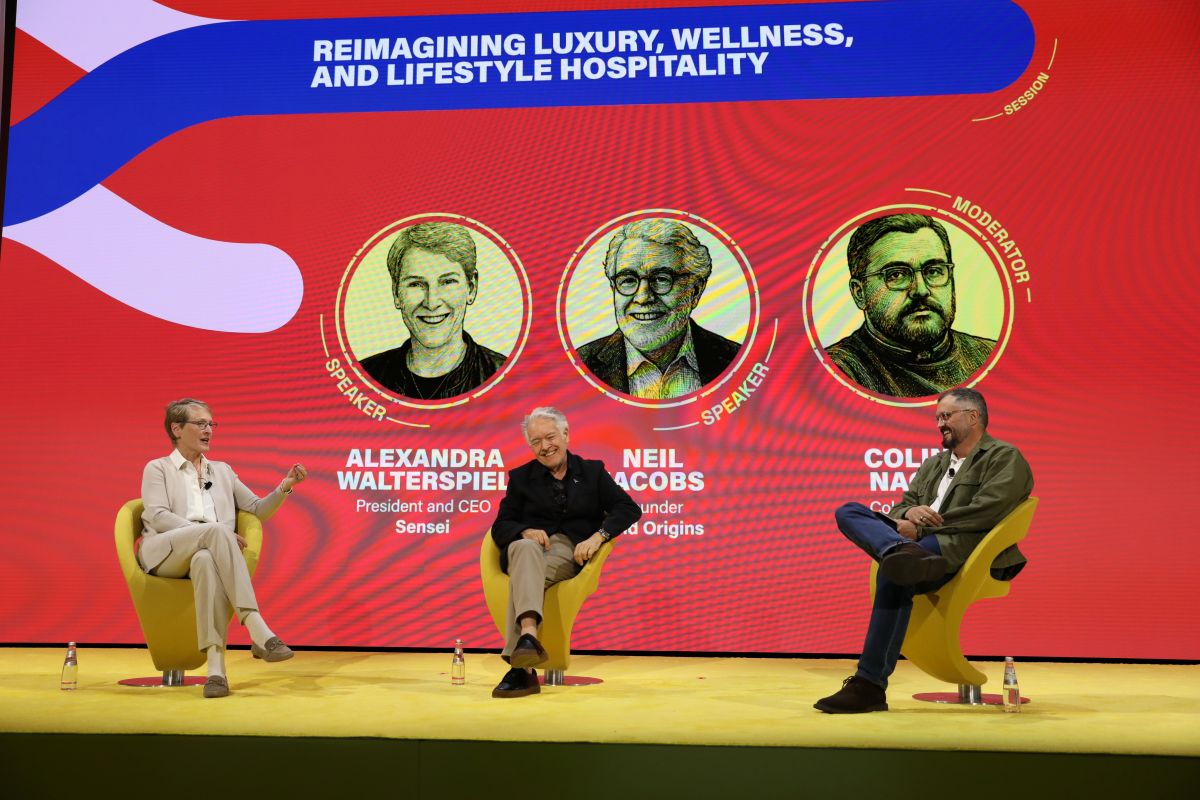
Luxury innovators Neil Jacobs (the former Six Senses CEO) and Alexandra Walterspiel (CEO of Sensei) slammed cookie-cutter hotels and resorts. They championed instead one-to-one service that reflects traveler values over egos.
The Hilton flagship brand's "three C's" strategy (celebrations, connections, and culture) reads like corporate speak. But it addresses a real challenge. Differentiating 615 full-service hotels in an increasingly crowded segment is no picnic.
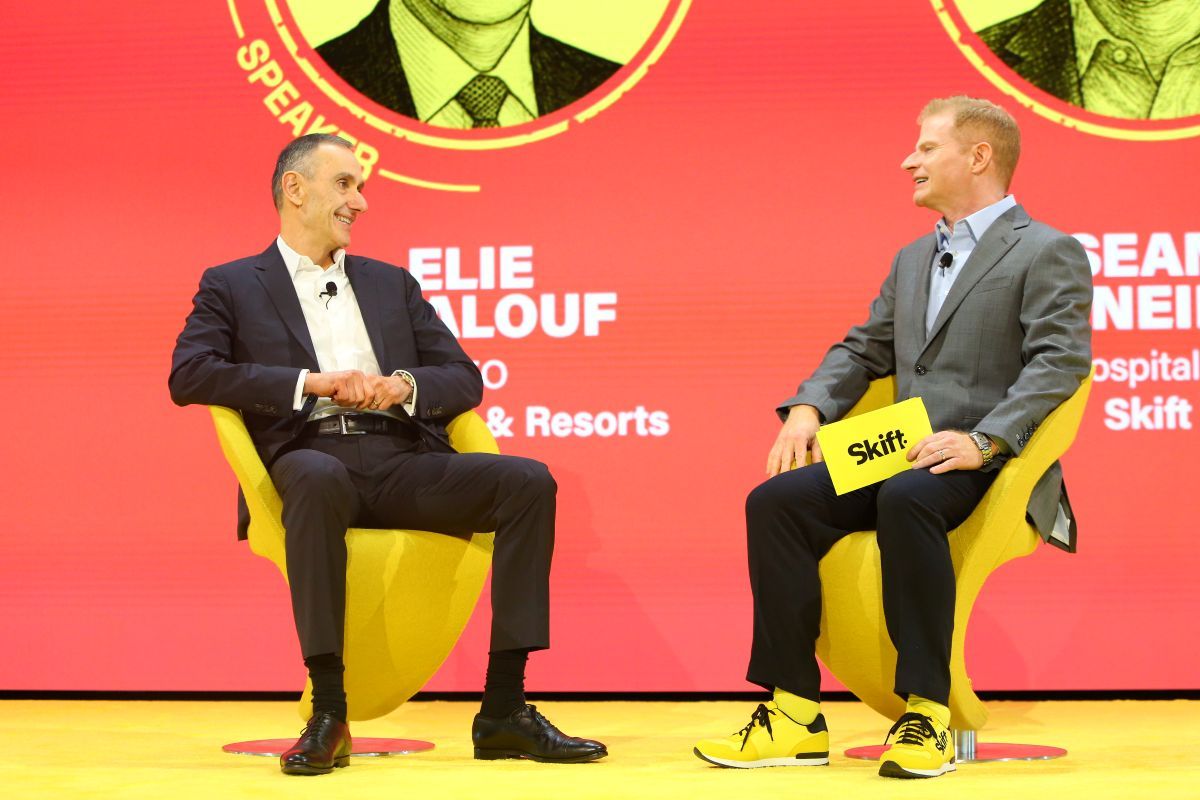
It's far from a done deal, but a sale could make sense. Accor could potentially retain some of the benefits of Orient-Express without having to manage an ultra-luxury brand. LVMH would reduce brand confusion.
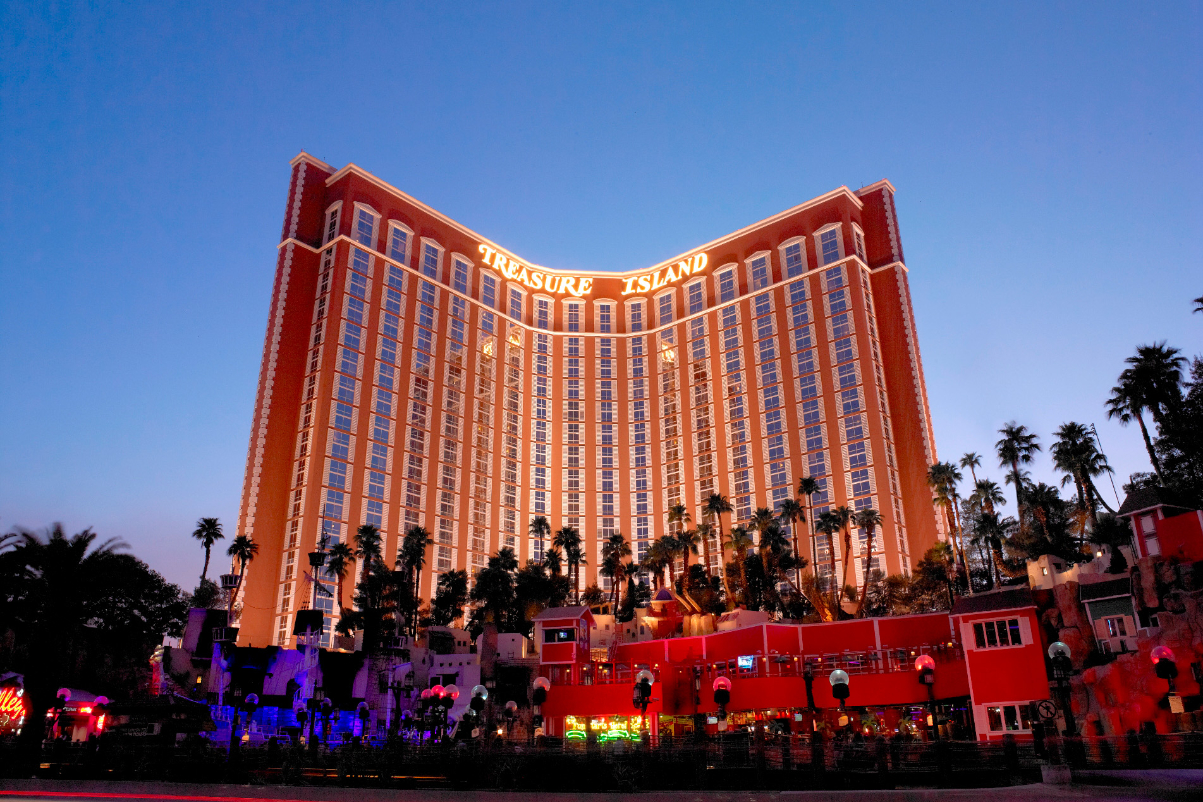
Accor gets just 5% of its revenue from the U.S. and it wants more. We may see more European and Asian hospitality brands doing deals to gain a presence in Vegas.
Dusit is best known for its luxury hotels and skill at channeling Thai hospitality. Its new brand is one-tier down in affordability and is more flexible for conversions. That should help the group scale more quickly.
The Bangkok-based company is betting on diversification across price segments, from luxury to budget accommodations, including its first foray into the fast-growing soft-brand category.
The most likely use for proposed new brand Outdoor Collection by Marriott Bonvoy would be to house its recent brand additions, Postcard Cabins and Trailborn. But documents suggest that Marriott has a larger ambition in the great outdoors.
It says something about the strong demand for extended stay in the U.S. that Hilton already has over 90 contracts signed for its new long-stay brand, LivSmart Studios.