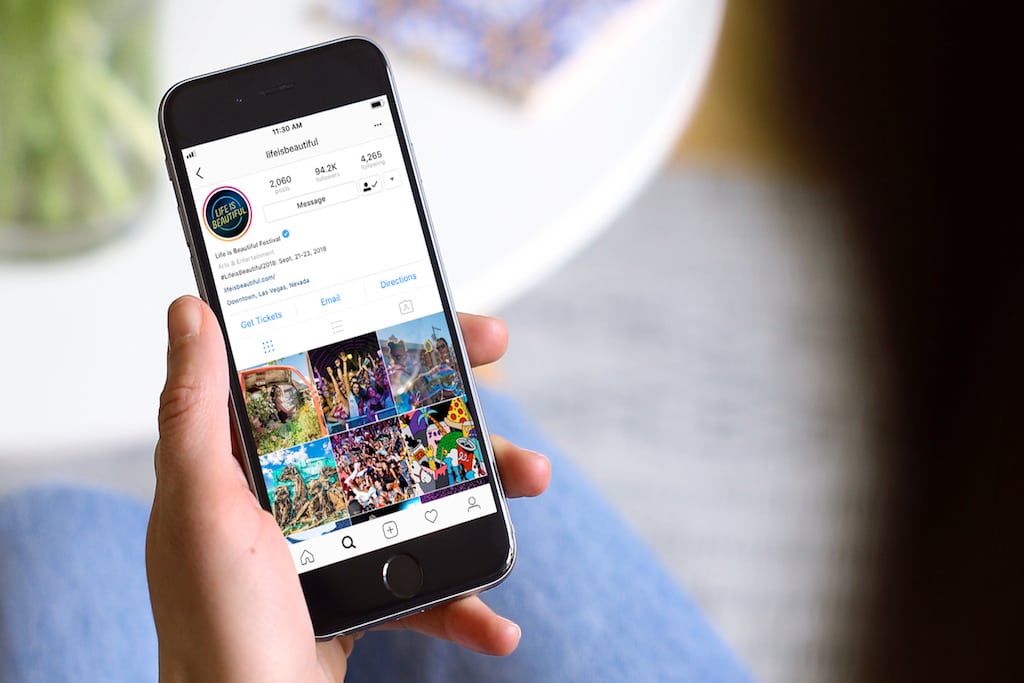
Engagement with social media for planners and marketers is moving beyond hashtags and sponsored posts into a competitive marketplace for digital ticket distribution. This won't really affect associations and B2B conferences immediately, but make sure to track the trend as consumer events experiment with distribution over social networks.
As travelers’ desires change and concerns about the impacts of tourism grow, the role of destination marketing organizations is also evolving. Today, DMOs have more to think about than just marketing.
While there’s interest among African tourism boards in marketing actively to black Americans, these boards are missing opportunities by not diversifying their strategies.
Should there be TripAdvisor booths at big tourist attractions in Paris, New York, Las Vegas and Rome? It might not be a bad idea to explore to attract the business of travelers who like to book attractions offline. Would it scale? Expedia does it, but the numbers crunchers would have to figure it all out.
Booking.com has a test-and-learn culture, and chief marketing officer Pepijn Rijvers will be doing plenty of that over the next few years as he tries to sort out the complexities of marketing a widely diverse set of accommodation types. Ask anyone, though: It's a great problem to have.
Is Google on the road toward becoming an online travel agency? Color us skeptical on that one. How will voice-based search change the game? Google's Rob Torres will certainly express his views on these topics at Skift Forum Europe.
Sometimes it's the small financing deals that reveal cutting-edge trends in investment and technological opportunity. Curacity must hope that's true of this funding, given that its progress to date has been a slow burn in a promising sector.
Hotels — 10,000 of them — have voted with their feet, or advertising budgets, that is, and are trying out TripAdvisor's new sponsored listings program. The bottom line is the success or failure of the program will depend on how it impacts advertisers' bottom lines.