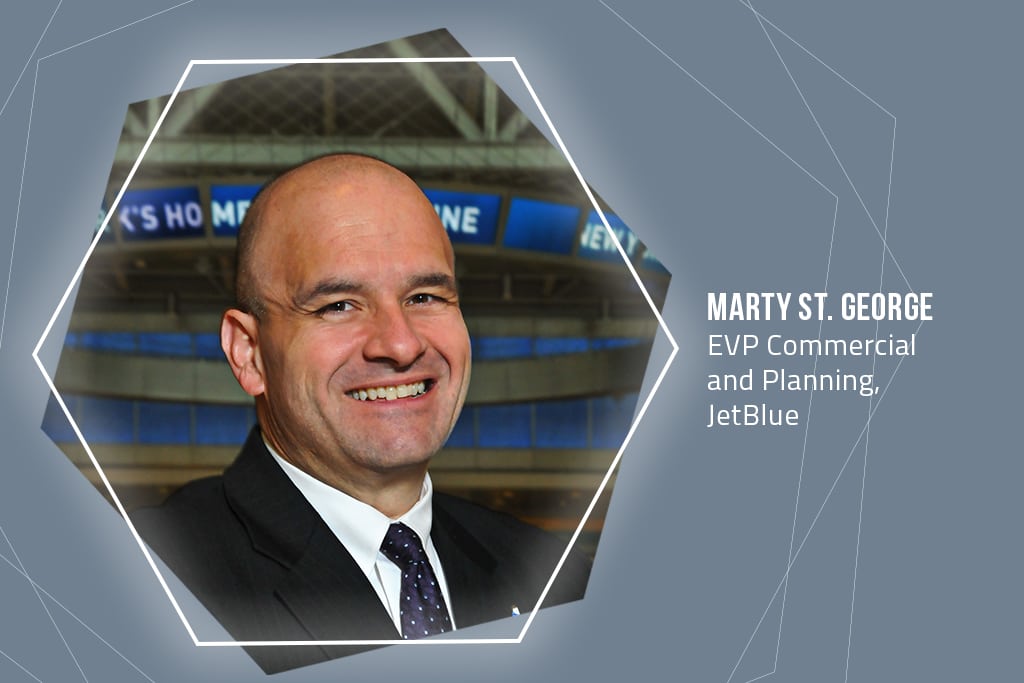
As part of a broad interview series on travel marketing, we dedicated an episode of the Skift Podcast to discussing the unique challenges and successes of two CMOs.
The biggest news from last week’s hospitality conferences was that there wasn’t much news. But where there was, it all had to do with a single theme: branding. Here’s why.
We don't know if it was really "a supermodel" and her tiny dog that William Shatner dispatched to Priceline.com headquarters in the late 1990s to do due dilgence on the company, but we do know that Shatner, who smashed a guitar during one shoot, was highly talented and broke new ground for an emerging brand.
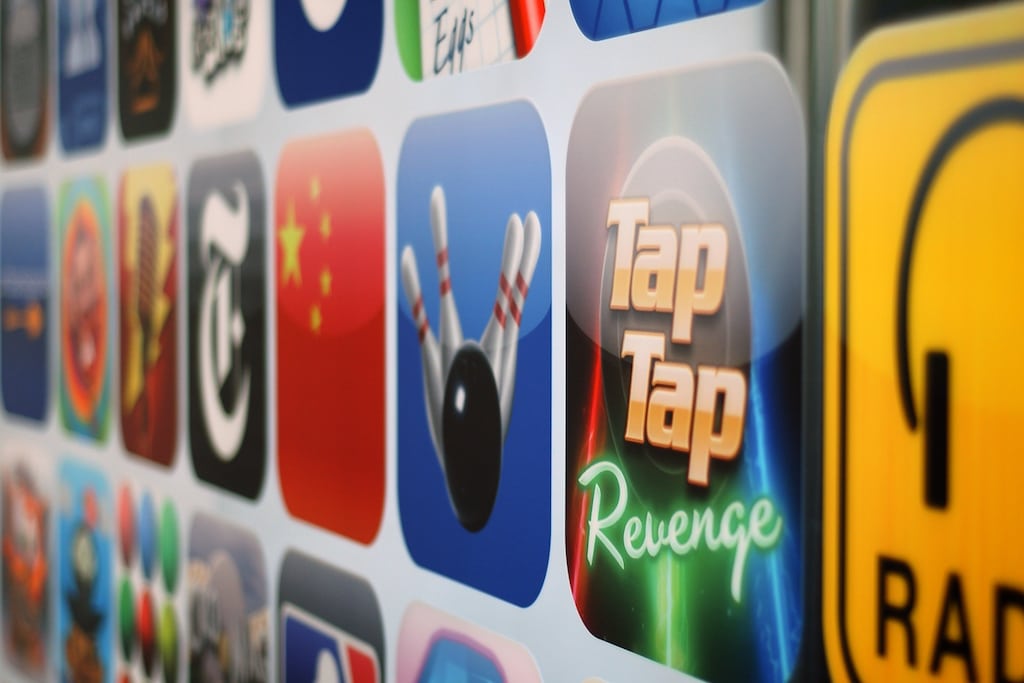
Convincing consumers to download branded travel apps was an uphill battle even when apps on smartphones were still a novelty. Now that the market has reached saturation, it's only going to get more difficult.
Marketers need to cut through clutter to deliver messages that resonate with the right audience — but do it in a way that doesn't ring false to consumers who crave authenticity.
JetBlue doesn't use influencers to promote its brand except in scattered countries where the airline isn't well-known. Who needs influencers when word-of-mouth and your own passengers spread the good vibes?
Enhanced guest profiles and progressive models for the guest lifecycle are key to the new advantages data analytics bring to hotel marketing and operations. Coupled with automation and effective metrics,…
Will artificially intelligent flight search tools finally put an end to the ceaseless "what's best time to buy a plane ticket?" questions? We can only hope.
Renaissance Hotels' approach to telling the story of the modern business traveler is refreshing and relatable, appealing to the types of universal interests all travelers share, whether that's food, music, or simply a desire to get to know the place they're in.