One of Expedia's answers to Booking.com is the Expedia Traveler Preference Program, giving consumers the choice to prepay for a hotel (merchant model) or pay at the hotel (an agency model like Booking.com's). Booking.com's sole use of the agency model gives it a speed advantage as the merchant model is more complicated when signing on and retaining hotels.
For the last decade destinations have fought hard for airtime on reality shows, but we may be seeing a new metric for tourism success: the Bourdain Bump.
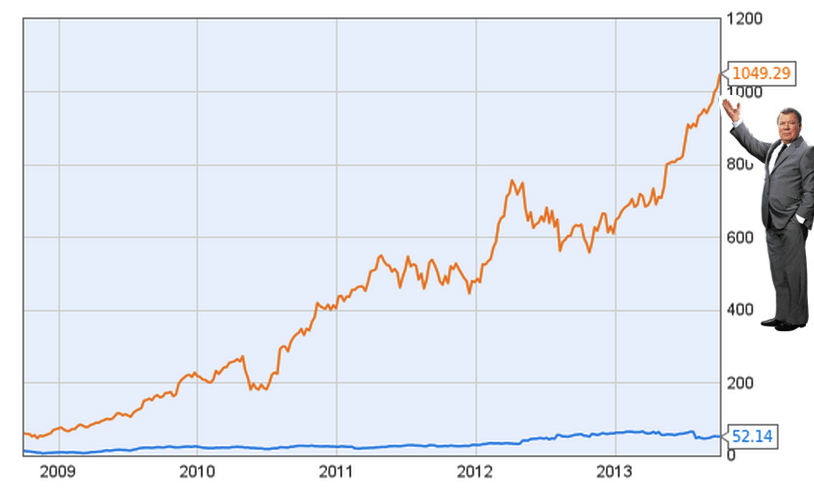
You have to wonder whether Priceline relished breaking the $1,000 per share barrier or eclipsed the mark fearfully. With such records come very great expectations.
CheapOair has already proven that it can make a viable business out of flights when its competitors are scurrying to build their hotel businesses. There will be pressures, and it won't be the fastest-growing business in the world, but there is plenty of room for companies like CheapOair that keep their heads down and focus on areas that others are neglecting.
Kayak's digital advertising spending in the U.S. just about disappeared around the time that the Priceline's acquisition went down. It will definitely be back.
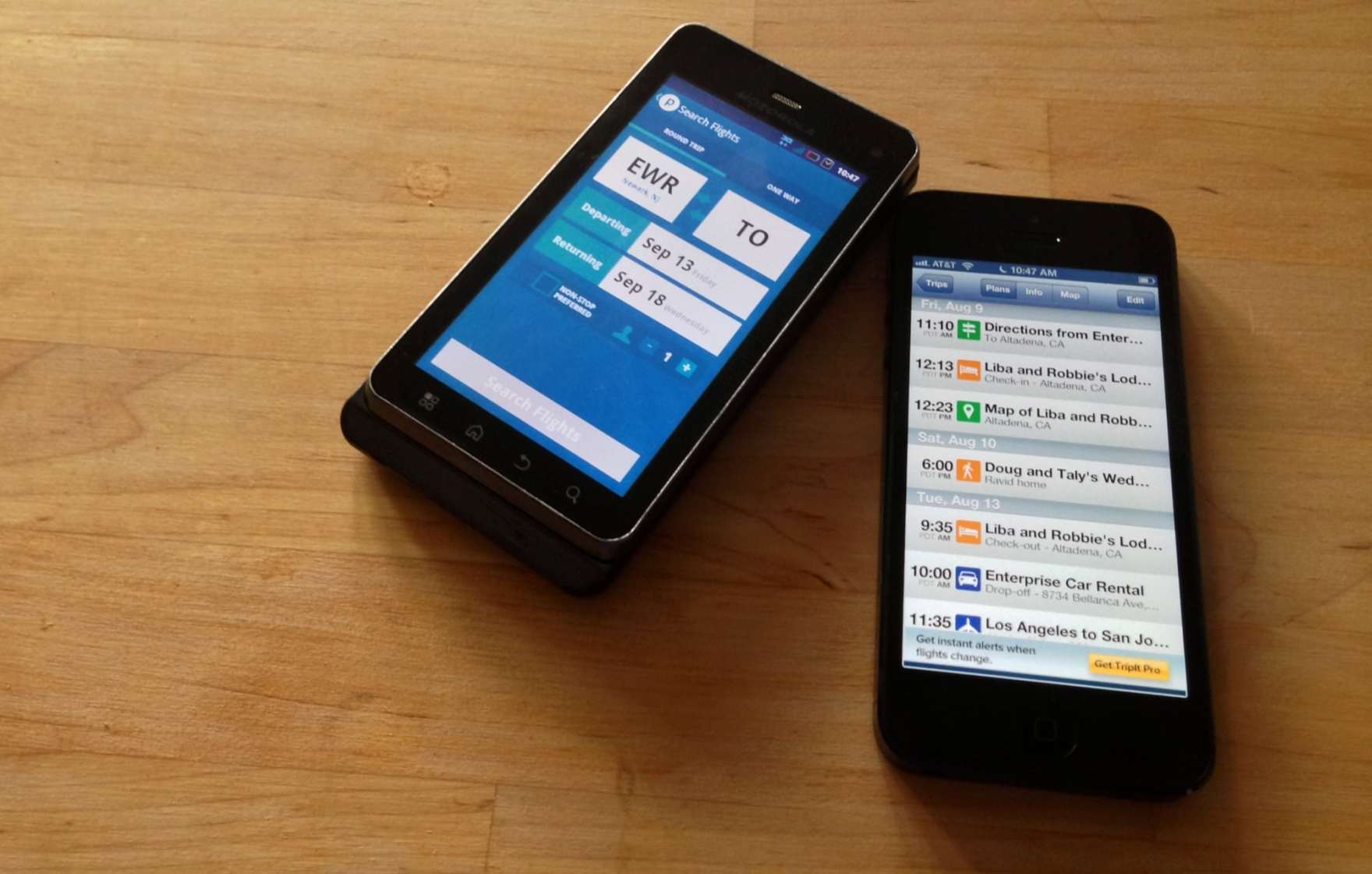
How long will it be before we talk about travel websites as always having an essential, if limited place, in much the same way that we sometimes talk about print guidebooks? Smartphones with bigger screens, tablets of mini and maximum dimensions ... buckle your seatbelts.
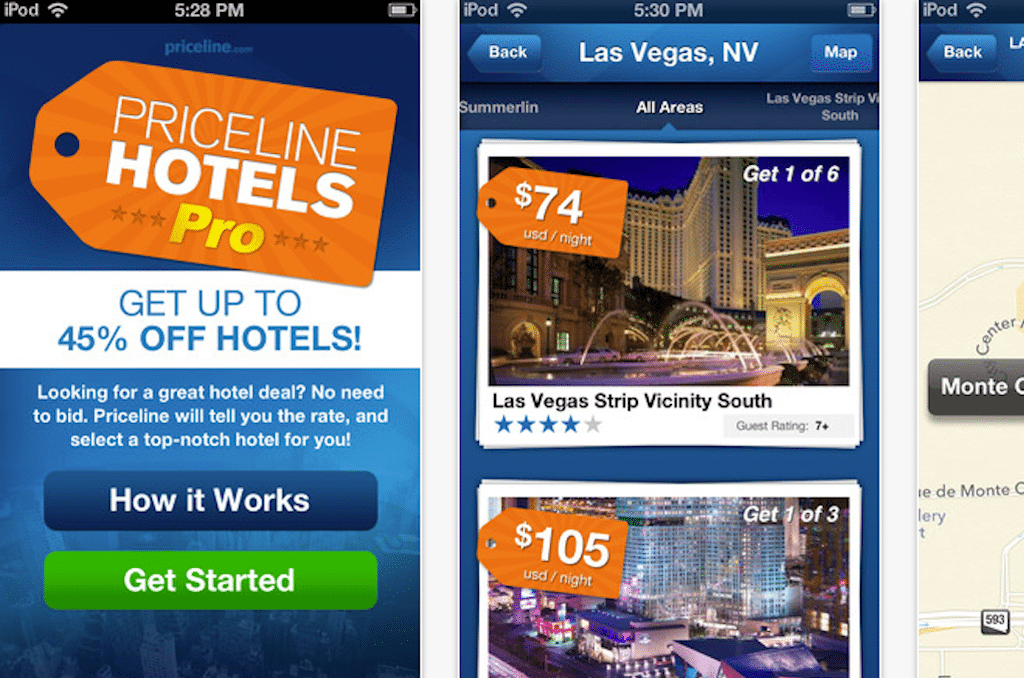
Priceline Hotels Pro may become the next version of, or a twist on, Express Deals. Priceline shows the price up-front and identifies the handful of the hotels in the mix to give travelers additional confidence in where they might stay. But, there is enough wiggle room for the hotels to participate behind a Pro app without diminishing their brands.