Social media brings the world closer and informs us, but it also amplifies the insignificant to the point of crisis when patience would solve the problem better.
Fashion luxury brands generally tend to be ahead of travel brands in terms of marketing innovation and sophistication. We'll continue to watch this space.
By now, most travel marketers know that women are becoming an increasingly powerful segment of travelers. However, being able to speak to this group authentically is often harder than it looks. With nearly half of all women who go online using Pinterest, the platform is a powerful tool for brands looking to truly connect with this group.
VizEat's business has gotten stronger with this acquisition. But it still faces an uphill slog to expand its total addressable market beyond travelers to include locals looking for activities, especially in Asia.
Lots of destinations work with influencers to drive leisure traffic, but France's national tourism board is among the first to contract a meetings and events specialist to engage conference planners. This should inspire other countries and cities to try the same because it positions them as digital innovators to younger audiences.
Influencers are increasingly important for DMOs looking to reach and engage with its audience over social media. Overall they are also considered as a good ROI.
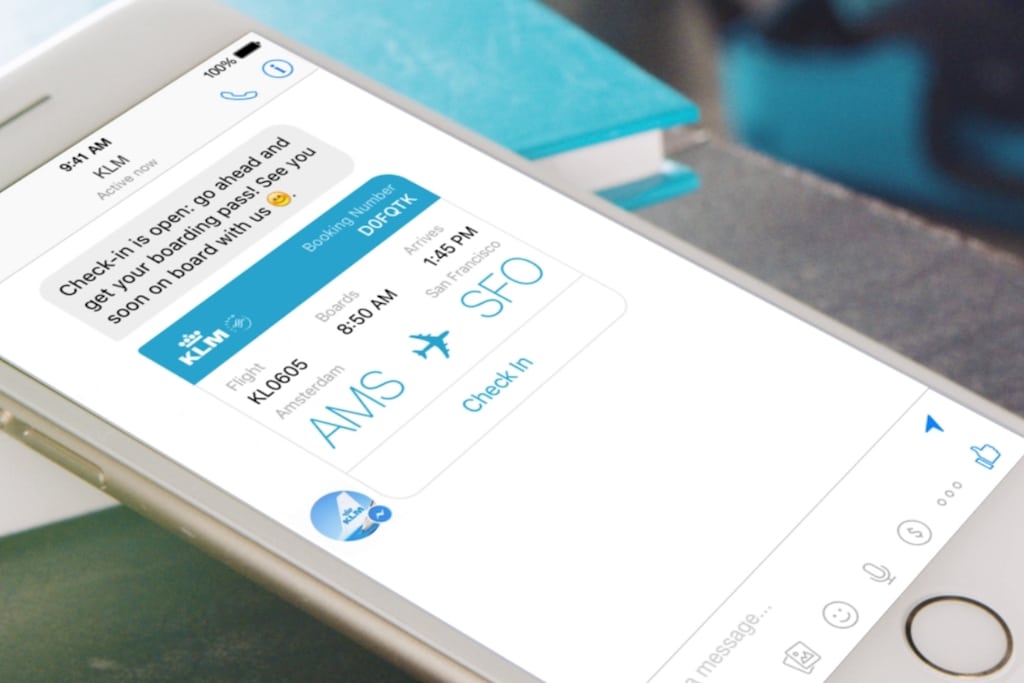
Social media is rapidly becoming one of the travel industry’s most important channels for customer service, but there's no one-size-fits-all approach. From automated chat bots to digital concierge services, find out what's working for top travel brands.
We can appreciate Conrad's desire to be innovative in its approach to content marketing, as well as providing both useful service and inspiration for its guests. But we question whether these attempts have any actual staying power or impact.