Pinterest's list of travel destinations represents where travelers wish to go while lists of check-ins and photos from other social networks show where they've gone. The difference in the types of places on each lists highlights the differences in travelers' fantasies and realities.
There are hundreds of social travel startups that are attempting to tie the inspiration, planning, or sharing stages of travel to users' social networks. Minube started earlier and includes a full scope of features that can make it a one-stop shop for users.
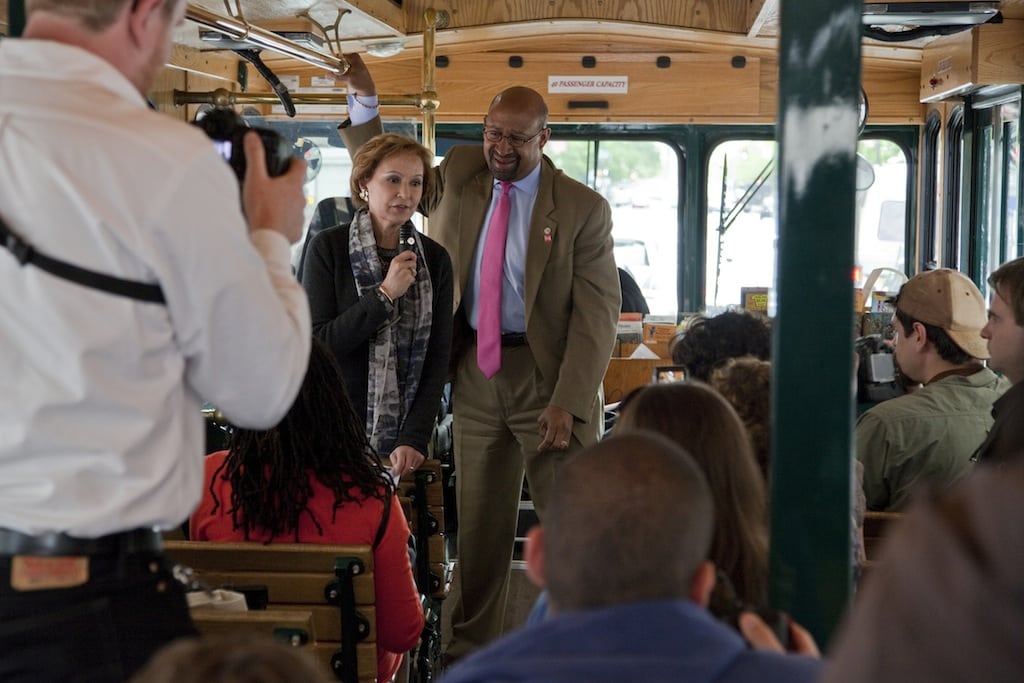
As the U.S. and its cities learn to promote themselves to travelers for the first time, Visit Philadelphia's successes are an anomaly and a promising example in a still under-recognized U.S. industry.
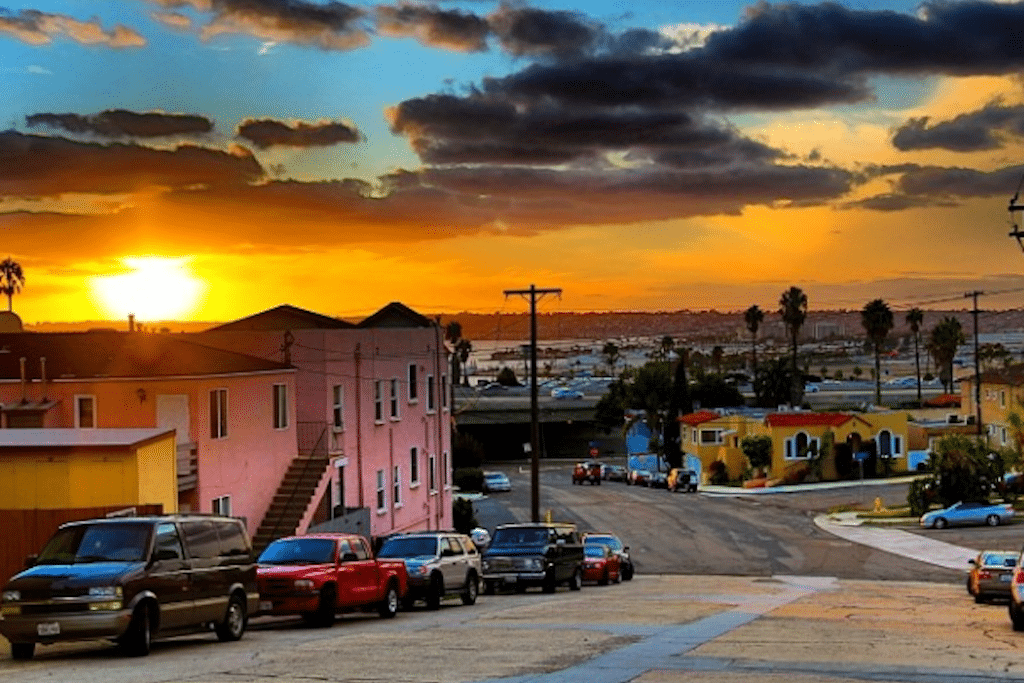
The most Instagrammed cities and places of 2013 are largely located in the U.S. so it's little surprise that the company is looking to hire an international communications manager. It needs more than U.S. travelers in foreign countries to expand its reach.
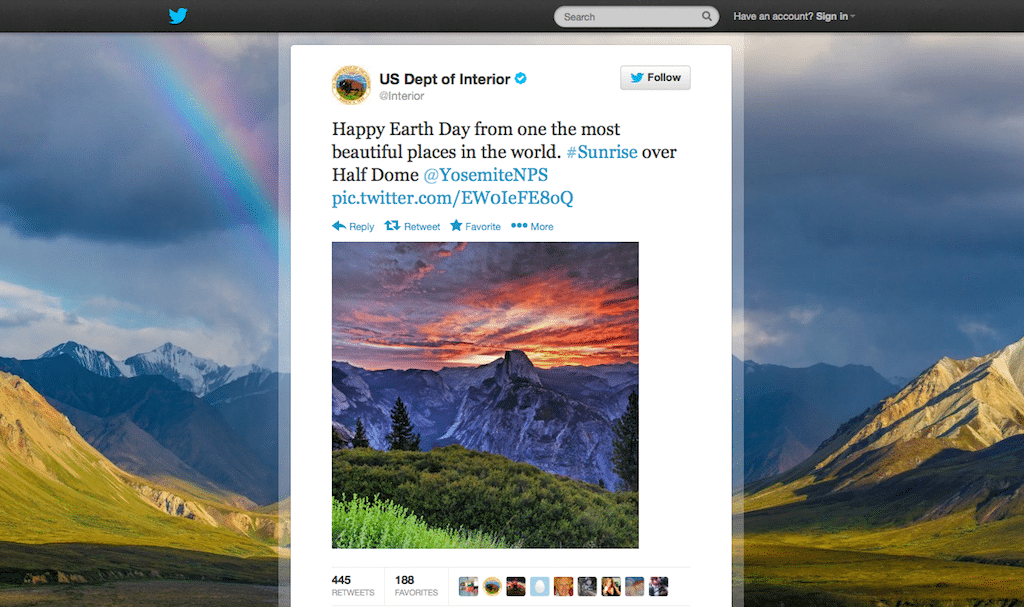
The national park service would be wise to embrace social media's sharing capabilities to the greatest extent it can. Repeat visitors are its best ambassadors, and amplifying their voices via social and mobile is a cheap and easy way to spread the word.
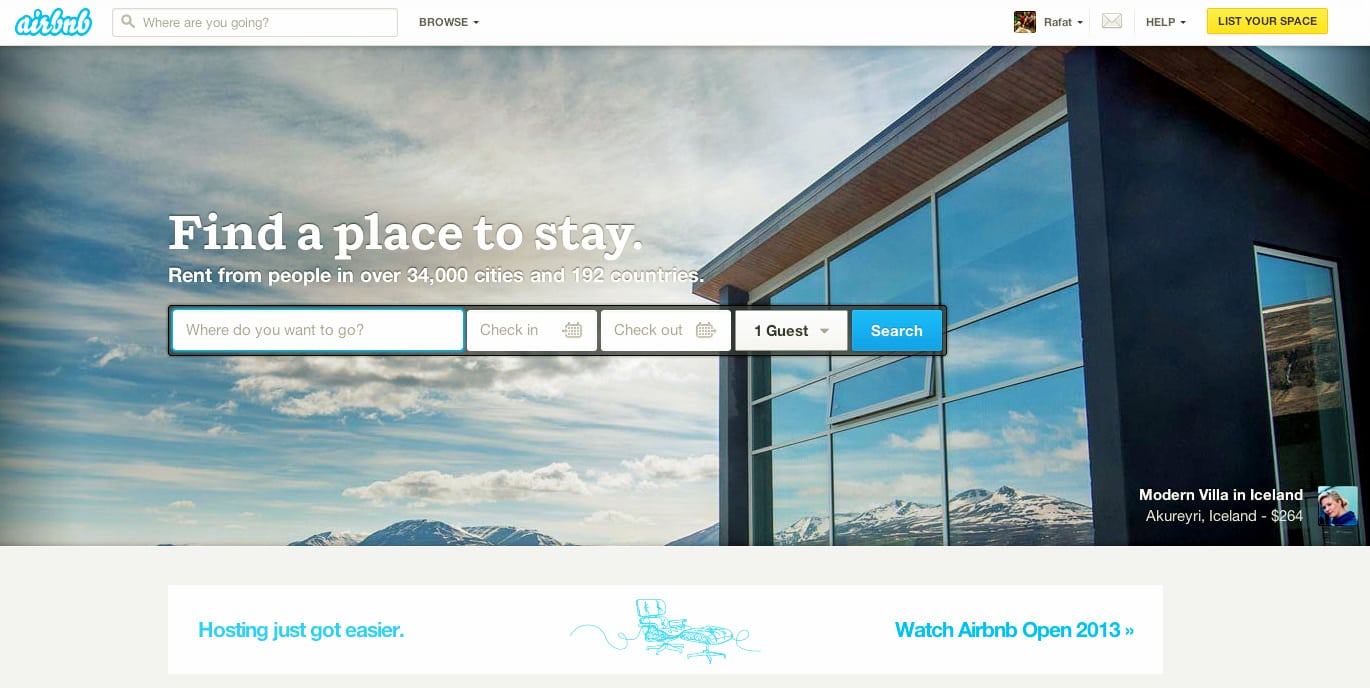
Biggest lesson to be learned: Give travelers the experience they are looking for: value, service, a great user interface, personal global connections, and social sharing. Mix these together, and you have a success story called Airbnb.
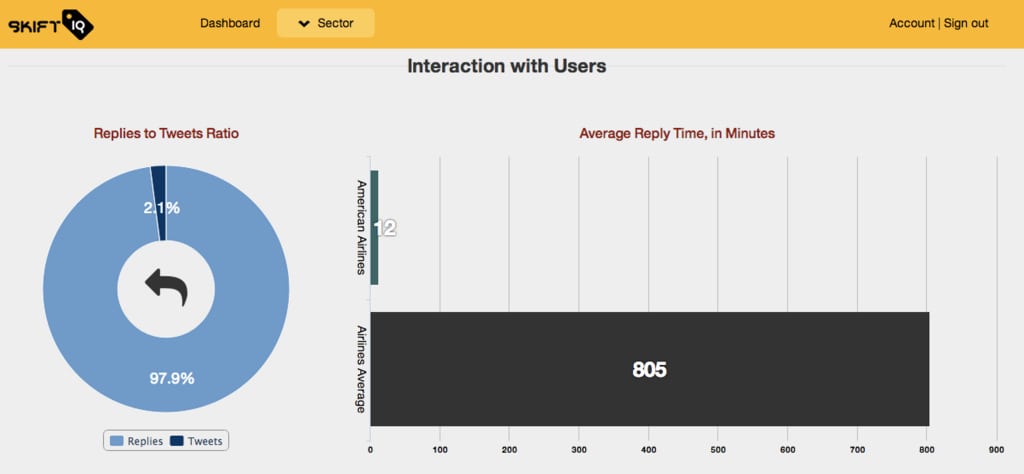
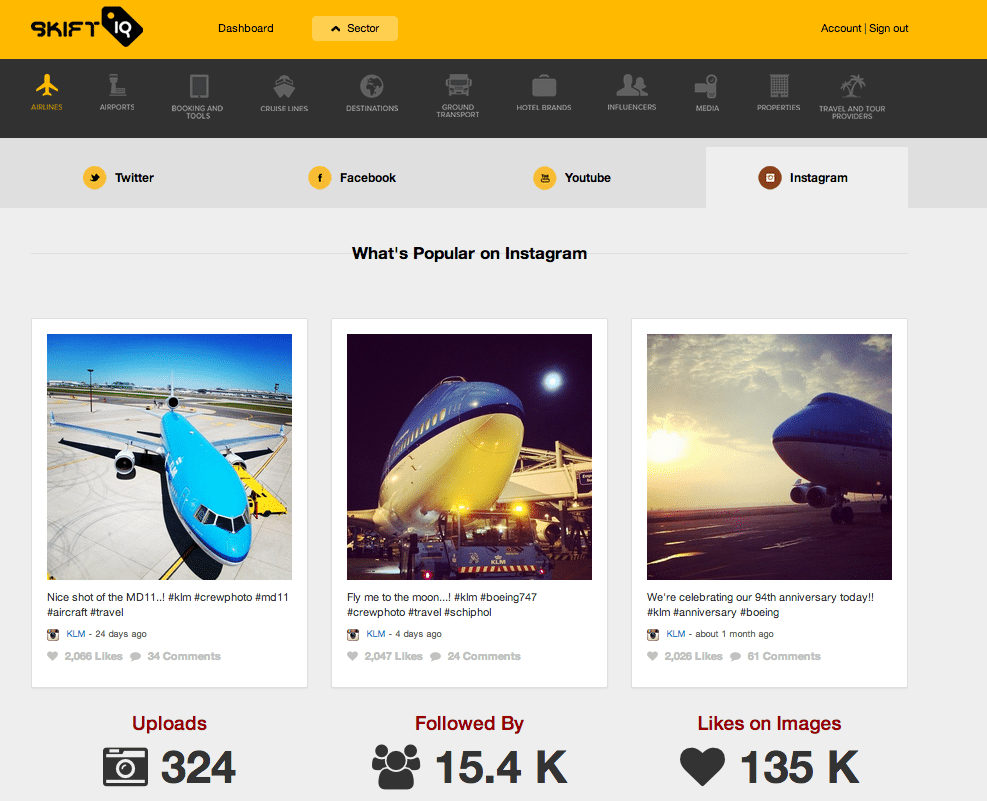
Airline brands are way ahead of the game in digital effectiveness in travel, followed by hotel brands. Tourism still has a long way to go, as do other sectors in travel.
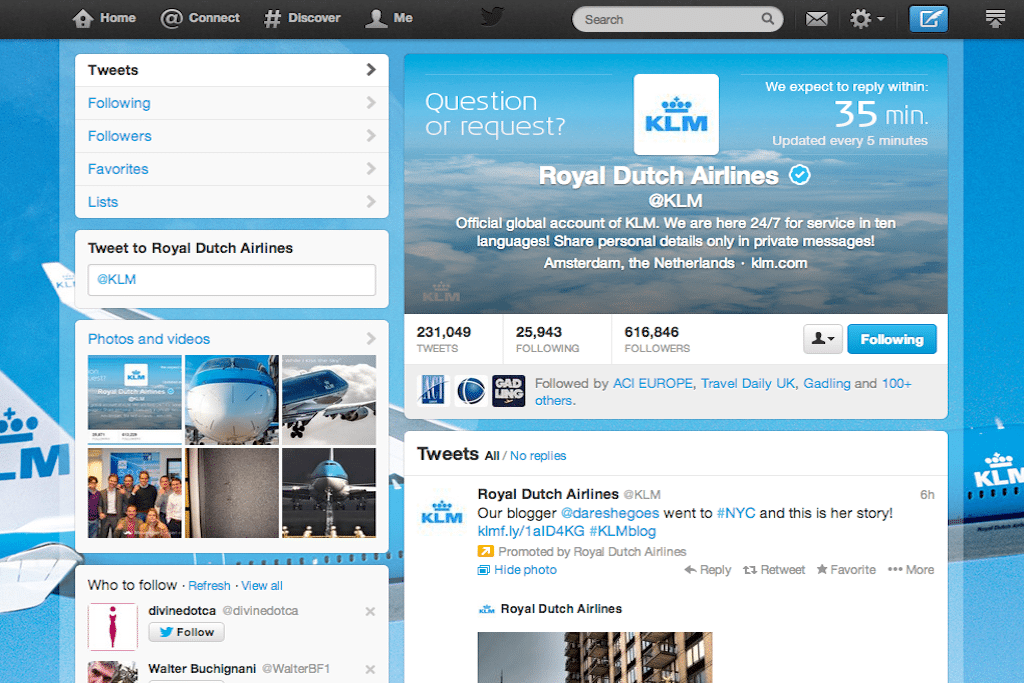
KLM is the first airline to put a live wait time on its social media pages, but its a feature that airlines serious about social customer service will quickly copy. Hopefully the competition means faster social responses for all flyers.