The Interior Department's first smart move was leveraging its own photo resources to build a social presence. It's now engaging the public on important department issues while generating excitement about the parks that were once at risk of being forgotten.
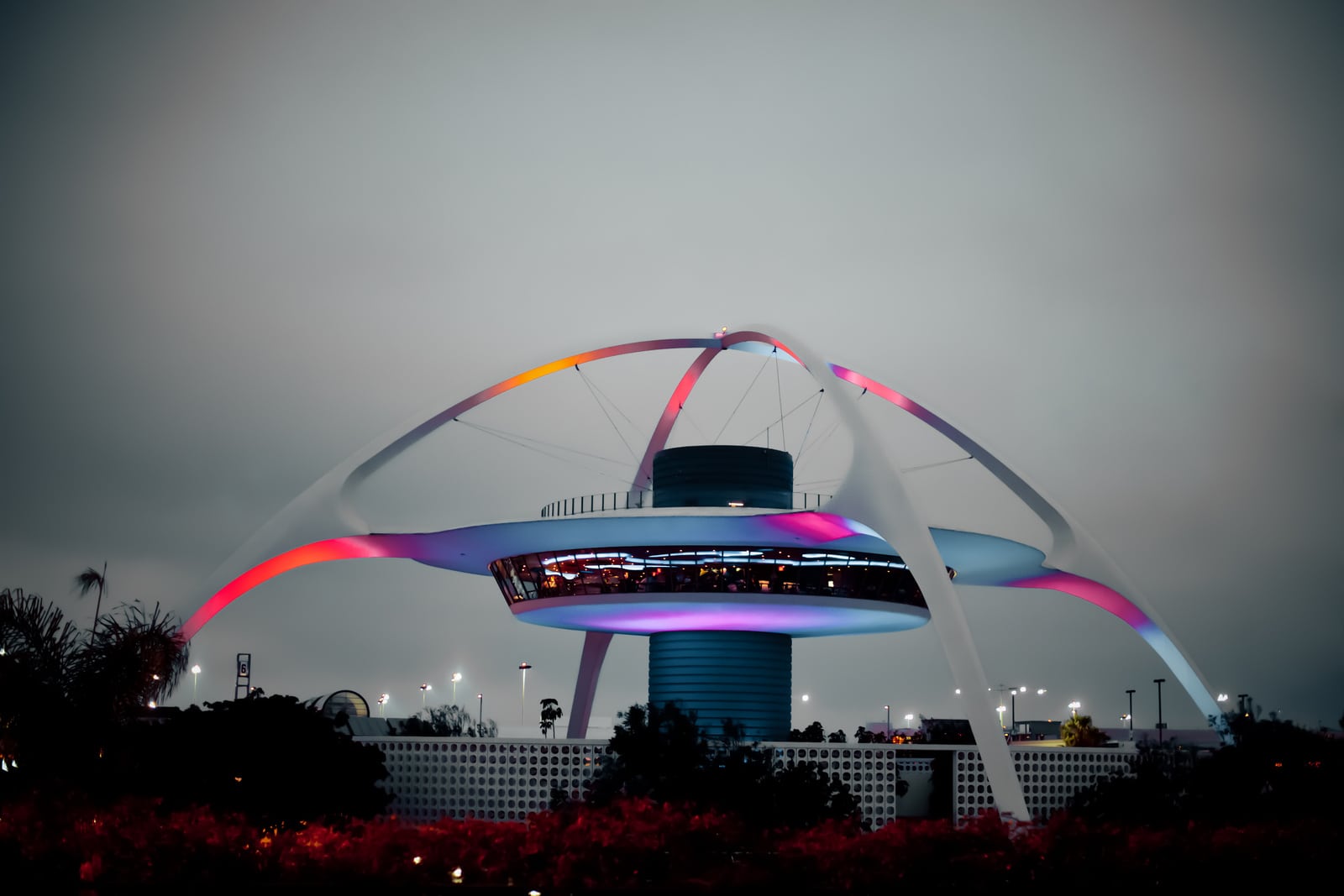
Airports, as miserable as they are in the overall travel experience these days, continue to be a place to show off, and social media outlets like Facebook are perfect venues for that.
For being the most outward facing industry of the planet, the CEOs of travel companies aren't very social, aside for the few exceptions at the top of this list.
It's difficult to determine if a strong Instagram presence really adds up to any significant impact on business or whether those traditional travel companies picking other social media battles are missing out. If anything, well-liked travel brands enjoy another point of contact with current and potential customers.
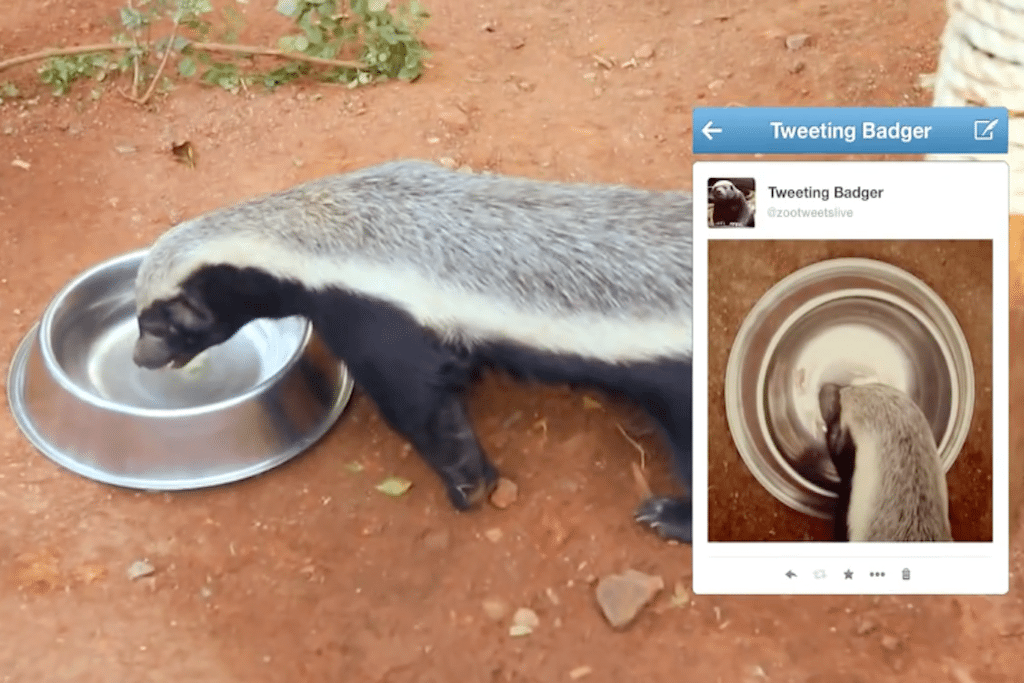
Johannesburg will eventually need to give its badger a human assistant to reply to visitors’ questions for the account to remain relevant and effective in the long term.
Free Wi-Fi on airlines makes a lot of sense. It should be viewed as a necessary utility. But, the Wi-Fi systems will have to improve because they can't handle bandwidth demands even now with so few passengers using the onboard Wi-Fi.
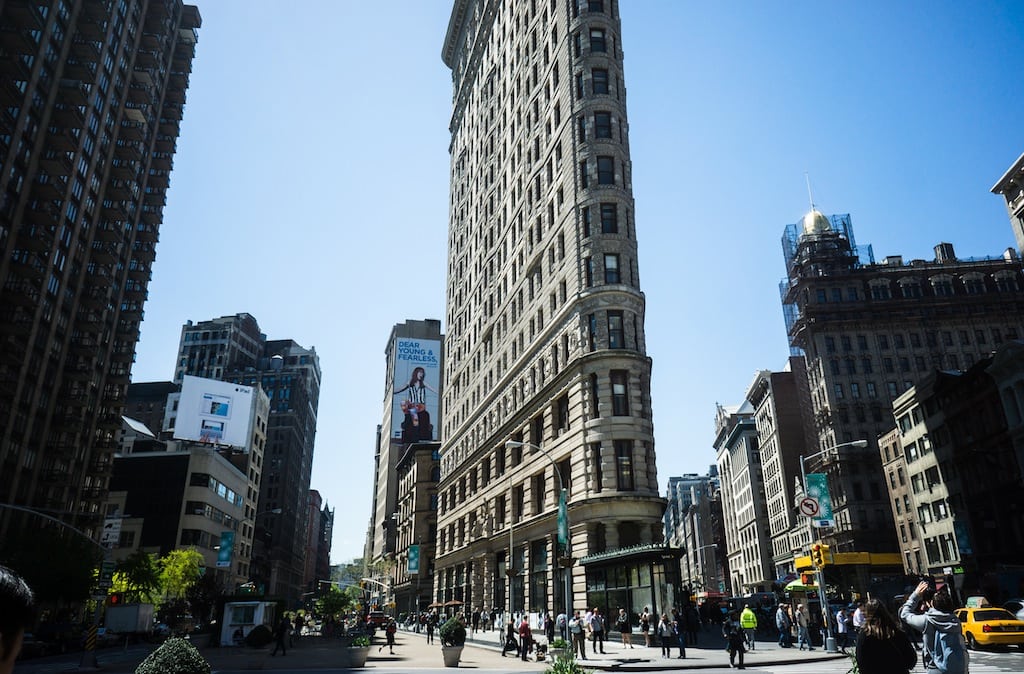
NYC & Company is missing an opportunity to shine by leading the way to smarter social engagement for tourism marketing organizations. It could be among the first to turn streams into live information chats rather than static PR pushes.
The most successful social strategies build upon an airline’s brand, giving it a voice and personality beyond its service. Global airlines still finding their footing can look to American Airlines and Delta as role models.