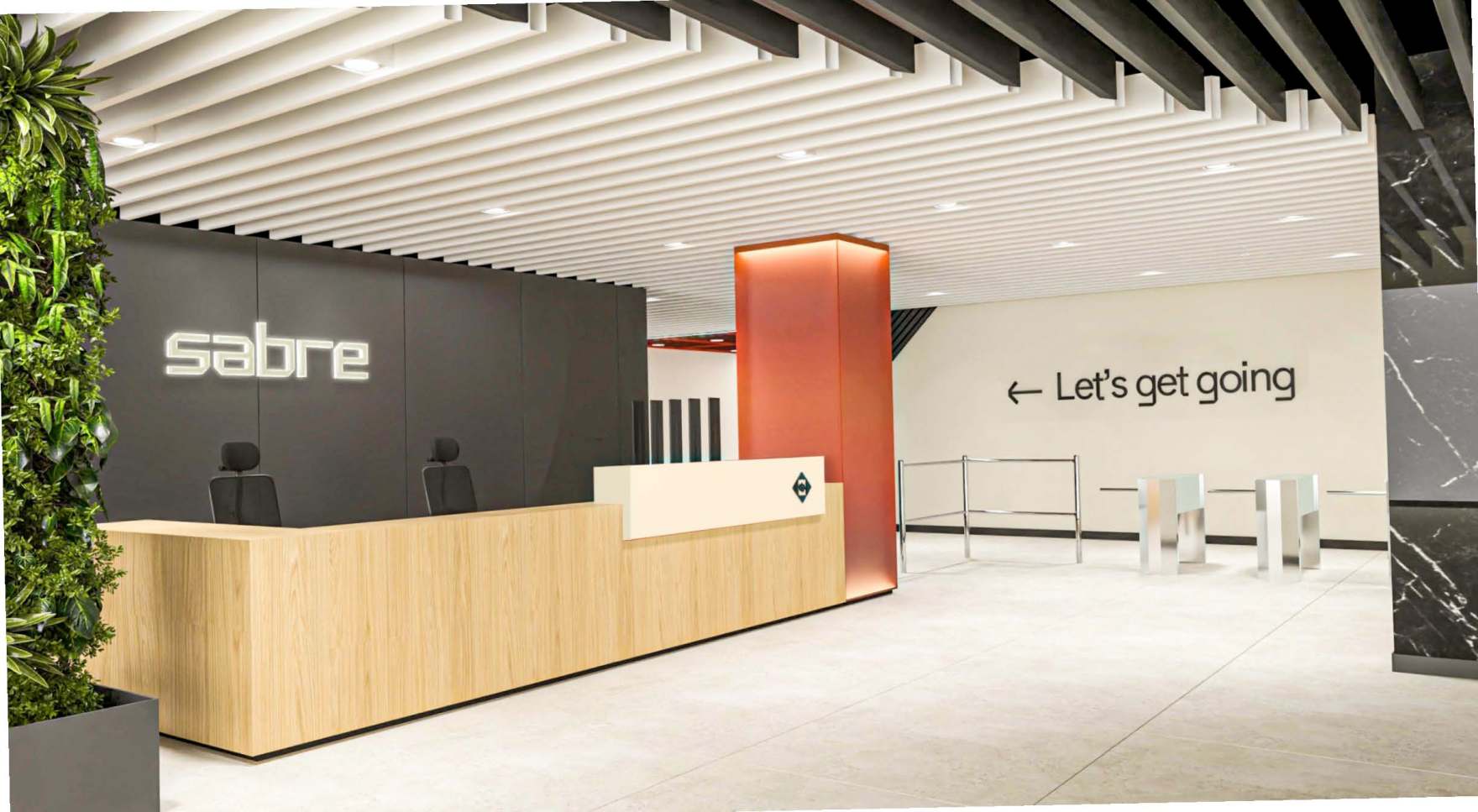
Sabre says it has rebuilt its technology and wants to be seen as an AI company. But the market will need to see more evidence that customers are signing on.
The moment an AI agent handles the complexity of travel, the intermediation layer will have to answer why it exists — or at least why it commands the margin it does.
Amadeus has never committed to a multi-year earnings target before. Doing so now — while AI reshapes travel — raises a question the whole industry is watching: does value stay with the plumbing, or move to the interface?
Booking Holdings sees AI as the future of travel. Its Kayak brand's marketing doesn't touch on AI, but is trying to convince Millennials it's OK to book on smartphones and to use Kayak to navigate social media distractions.
Booking Holdings could survive hotel chains switching allegiances to the LLMs. But how long would it take for independent hotels to likewise jump ship?
Reports are coming in about layoffs, from London to Uruguay, showing the impact of Sabre’s ‘inflation offset program.’ That and several leadership shifts show how Sabre is restructuring around agentic AI.
AI booking platforms could become the new gatekeepers of travel demand. Wyndham is among the hotel groups plugging in their inventory and hoping to capture bookings at a lower cost than through OTAs.
We sometimes think of independent hotels as relatively powerless given the strength of the OTAs and the big hotel chains. Will agentic AI turn the tables?
Agentic AI will likely access APIs to compare pricing. But those queries would have severe limitations and will ultimately require more rigorous solutions to ensure a deal is really a deal.
Expedia's B2B division is growing nearly five times faster than its consumer brands. That gap buys time for the Vrbo and Hotels.com turnaround — but 2026 will test whether efficiency gains can translate into sustained momentum.