
Most of Airbnb’s Miami Revenue Is From Commercial Hosts New Study Suggests
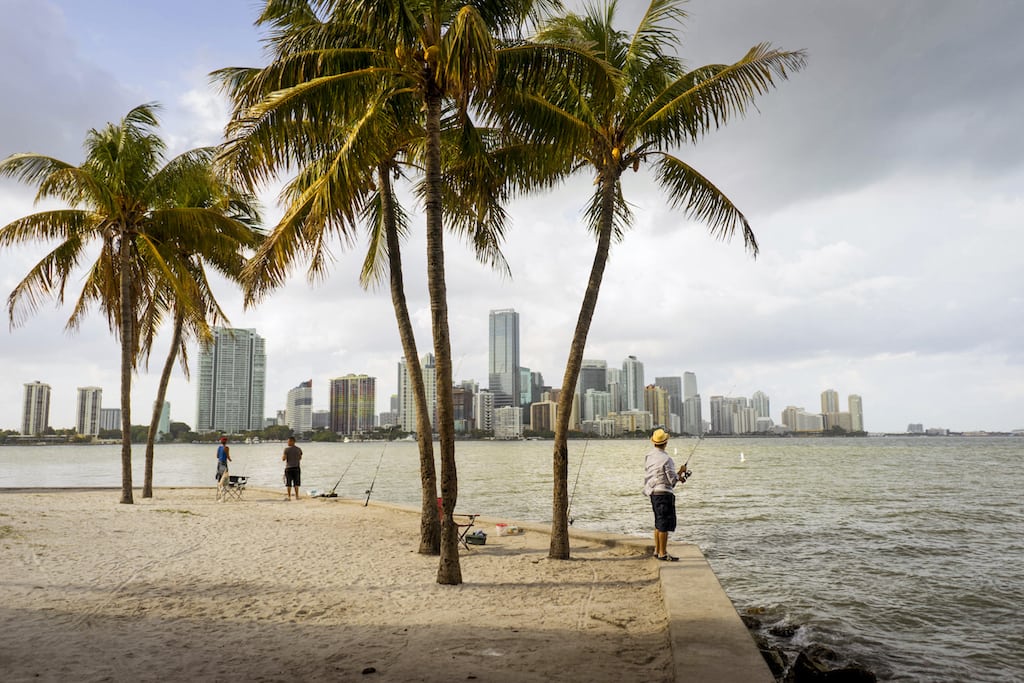
Photo Credit: The American Hotel & Lodging Association's latest report examines Airbnb's impact in Miami. Airbnb
Skift Take
Regardless of whether or not you believe the numbers from the American Hotel & Lodging Association or those from Airbnb, Miami's short-term rental situation demonstrates a clear need for better legislation and/or better enforcement to address short-term rentals.
In what's become a nearly weekly occurrence, the American Hotel & Lodging Association (AH&LA) has released a new report on Airbnb's impact in a U.S. city.
This week, the association turned its focus to Miami Beach, Florida, where, unlike most of the state, short-term rental laws are much more restrictive.
In Miami, any lease shorter than six months and one day qualifies as a short-term rental and in 2008, the city banned all short-term rentals for all single-family homes in residential zones, without exceptions. Today, short-term rentals are only allowed in multi-family buildings in specified areas, and the people who rent them have to apply for a license or certificate to do so. Fines for violating these laws range from $500 to $7,500.
That legislation doesn't align with the state's stance on short-term rentals, however. In 2011, Florida passed a law that prohibits local governments from regulating and restricting vacation rentals, including restricting the duration