
Medellin’s Tourism Challenge: Telling the Right Story of Its Violent Past
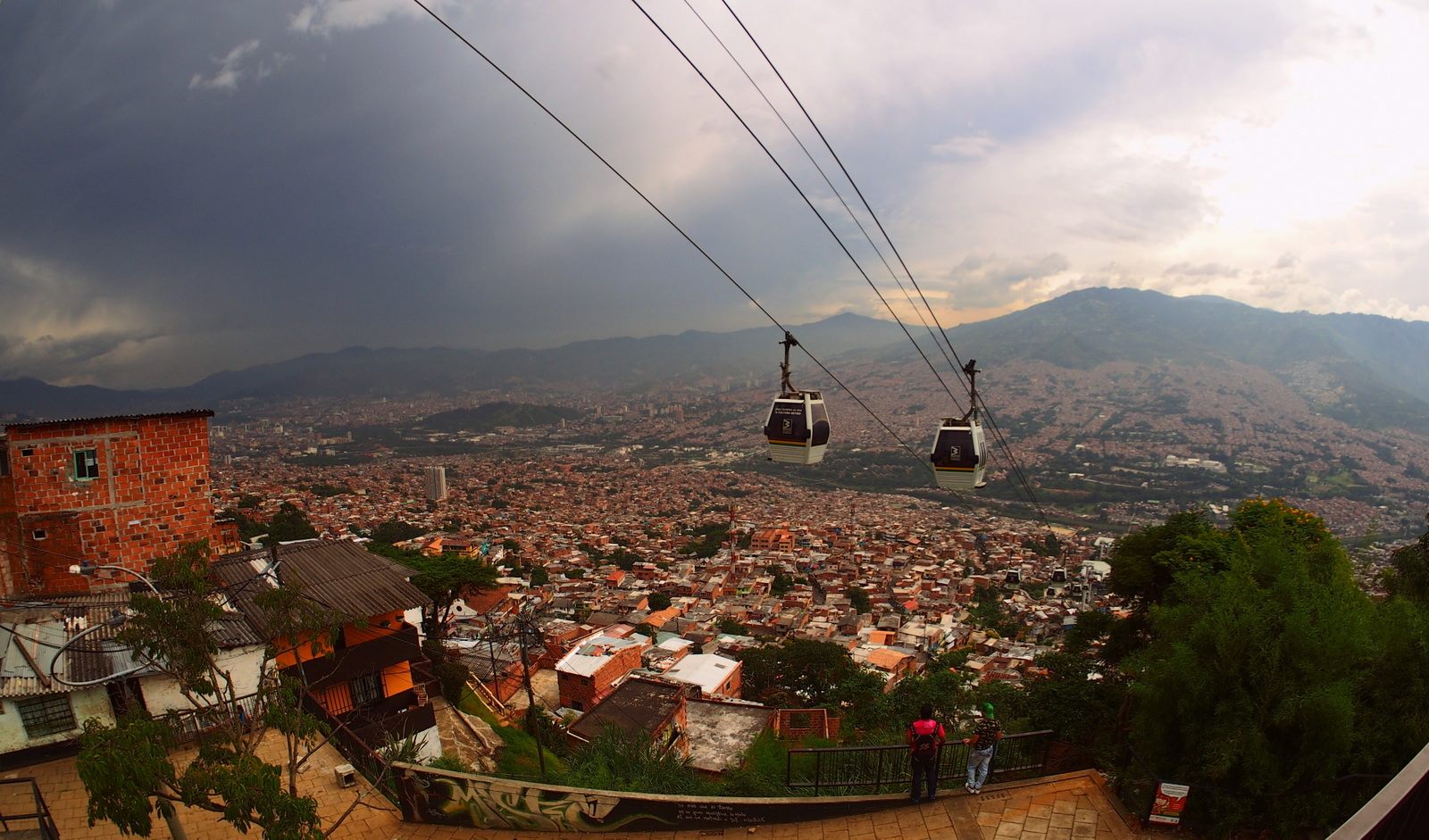
Photo Credit: Medellin, Colombia, has been through a lot, and, while it certainly has a lot further to go, the city is making progress on how to tackle large issues, market itself as a destination, and tell the story it wants to tell. Skift / Rafat Ali
Skift Take
Medellin has gone through an incredible transformation over the past 30 years, but large issues still remain prevalent. As the city figures out the right story it wants to tell, its "fake it ‘til you make it" strategy somehow works — speaking to the resilience of many developing economies that are navigating histories of crime, corruption, and violence and still figuring out how to position themselves as destinations.
Medellin, Colombia. Pablo Escobar. Drug cartels. Violence. Crime. Previous title-holder of “the world’s most dangerous city.”
Medellin, Colombia. Beautiful. “City of Eternal Spring.” Trendy. Coffee. Avocado toast. “Most innovative city in the world.”
Within an hour of arriving to Medellin, located in the Antioquia region in a lovely valley surrounded by gorgeous mountains in the northwestern part of Colombia, I was eating street tacos with friends at a cute, outdoor joint ironically named Criminal Taqueria that reminded me of New York’s trendy Tacombi.
Reminders of “You need to be careful — Medellin is really dangerous” from people back home quickly evaporated as my friends and I gaped over how chic Poblado, a popular residential and commercial neighborhood in Medellin, was. We were surrounded by cool boutiques and restaurants blasting music just begging to be checked out. As we chatted, Colombian women more stylish than many New Yorkers strolled by, and