
How to Run a $7.5 Billion Luxury Hotel Portfolio: Inside Gencom’s Strategy

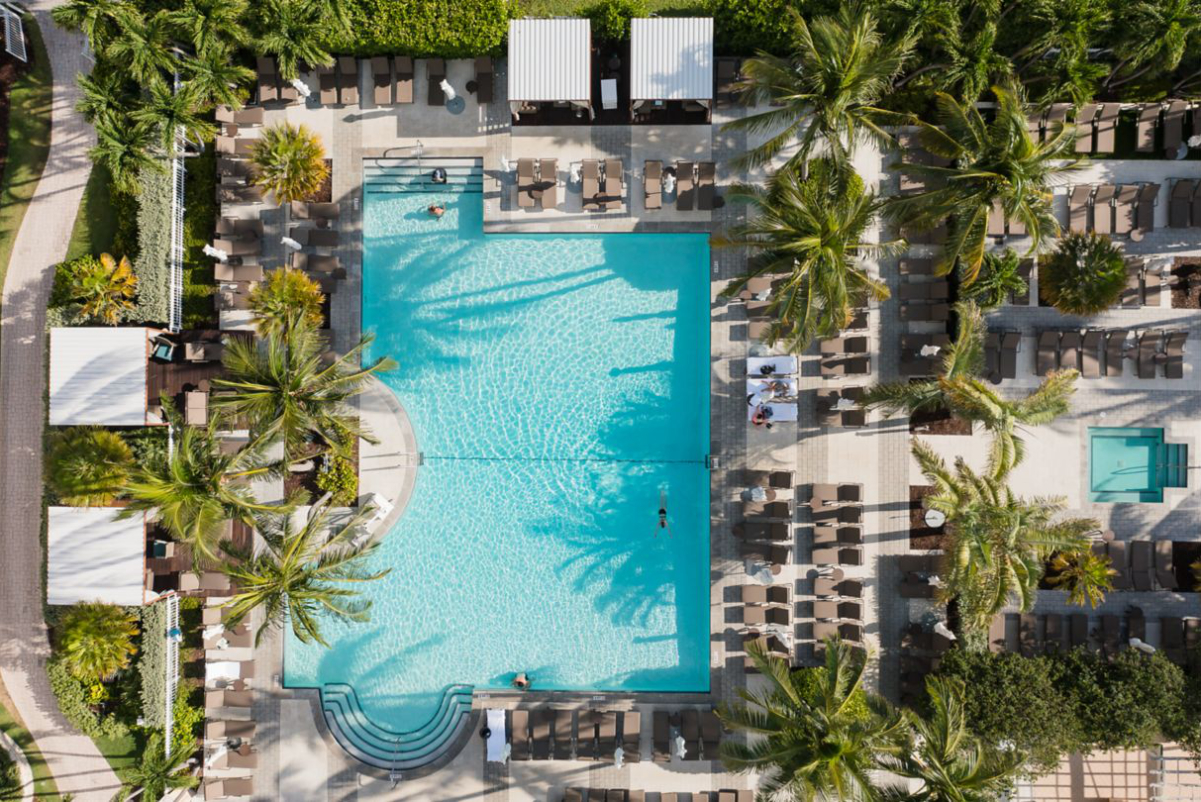
Photo Caption: Aerial shot of the north pool of The Ritz-Carlton, Key Biscayne in Miami. Source: Gencom.
Skift Take
Karim Alibhai's began his career at a Best Western motel. In the decades since, his firm Gencom has bought, sold, and developed eight Ritz-Carltons and dozens of other luxury hotels. Here's his formula.

Early Check-In
Editor’s Note: Skift Senior Hospitality Editor Sean O’Neill brings readers exclusive reporting and insights into hotel deals and development, and how those trends are making an impact across the travel industry.Karim Alibhai knows better than most how to make luxury hotels profitable. He's the founder and top boss of Gencom, which has owned, part-owned, or developed 8 Ritz-Carltons and 150 hotels under other brands over three decades.
Gencom's traction is notable, given how tricky it is to get the economics right in luxury hotel deals and development.
Prime real estate is pricey. White-glove service is expensive. After such costs, where are the profit margins? Equally challenging is how luxury hotels have seen softness in room rates during most of the past decade, according to STR data as analyzed by Bernstein Research.Yet Gencom has defied the averages with its portfolio worth about $7.5 billion.
Last week, Gencom acquired majority ownership in The Ritz-Carlton Key Biscayne resort in Miami for an unpublicized sum.
The real estate investment and development firm plans a $100 million renovation to start next year. Gencom knows the prop