
India Orders Boeing 787 Safety Checks After Air India Crash
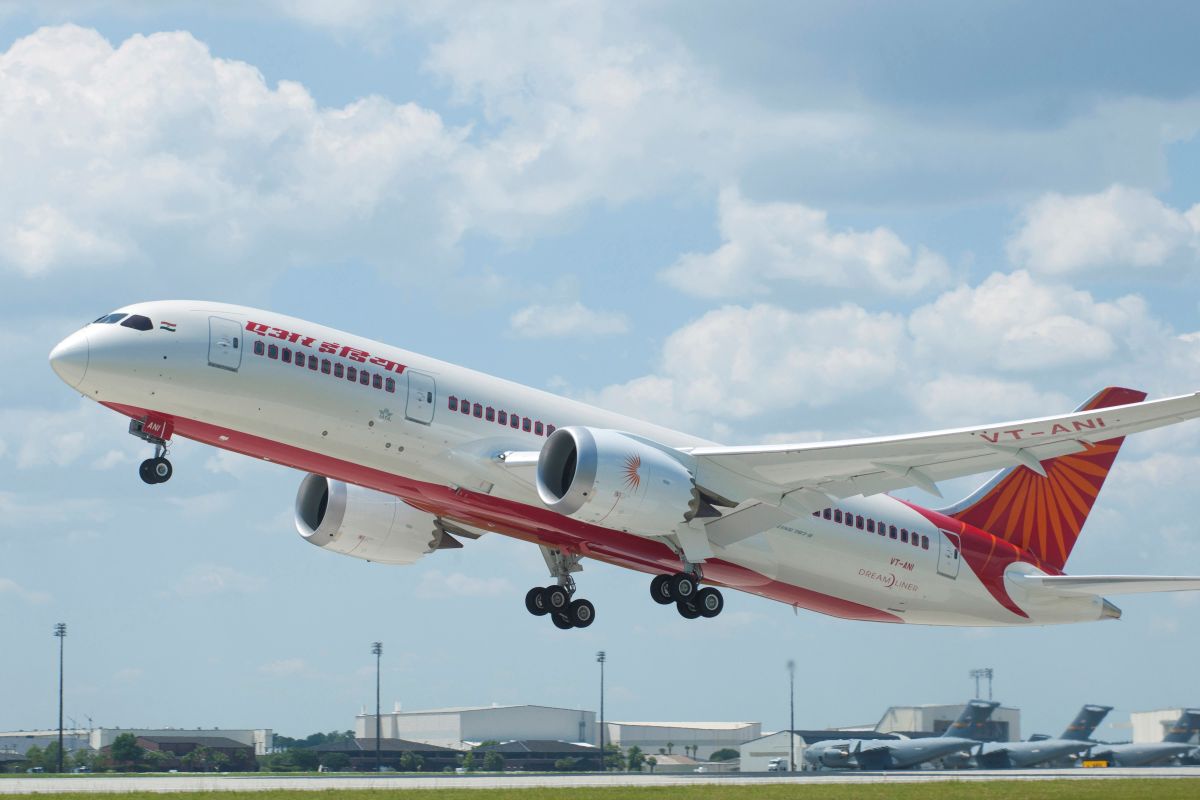
Photo Credit: A file image of an Air India Boeing 787. Boeing
Skift Take
The deadly crash of Air India’s 787 has heightened scrutiny of Indian aviation, though regulators have stopped short of grounding the fleet.

Air India Liveblog
Ongoing coverage of the crash of Air India flight 171 from Skift’s editorial team in India, Europe, and the United States.Skift’s coverage of the Air India crash is offered free to all readers.
India’s aviation regulator has ordered special safety checks on Air India’s Boeing 787 fleet following the deadly crash of one of its aircraft on Thursday.
The Directorate General of Civil Aviation (DGCA) has directed Air India to conduct preventive safety inspections on all of its Boeing 787-8 and 787-9 aircraft equipped with GE Aerospace GenX engines.
Air India currently operates 26 Boeing 787-8s (after losing one in Thursday’s crash) and 7 Boeing 787-9s, the latter added through its merger with Vistara. All of these aircraft use the GE GenX engine, one of two options for the 787, alongside the Rolls-Royce Trent 1000.
The mandated checks are two-fold. Starting June 15, 2025, Air India must conduct a one-time inspection before any departure from India, focusing primarily on the aircraft’s engines. The reviews also include:
- Inspection of Fuel Parameter Monitoring and associated system checks.
- Inspection of Cabin air compressor and associated systems.
- Electronic Engine Control-System Test.
- Engine Fuel Driven Actuator-Operational Test and oil system check.
- Serviceability check of Hydraulic system.
- Review of Take-off parameters.
Air India has also been asked to conduct power assurance checks within two weeks of the order and to close maintenance-action based upon the review of repetitive snags during the past fortnight on the 787 fleet at the earliest.
The DGCA has asked to be informed of the result of the checks it has ordered once they are done.
The 787 is an important part of the Air India fleet, used by the airline for many of its long-haul flights, including to Melbourne, Tokyo, Nairobi, Washington, D.C., and most of Europe.
More Oversight, But Not a Full Grounding
This additional oversight is much less severe than a full grounding, which Indian news channel NDTV Profit reported was under consideration. Such a move would cause a significant disruption to Air India’s international services and a financial hit.
Air India was finally going to go forward with the nose-to-tail upgrade of its Boeing 787-8 fleet. The first aircraft was scheduled to depart to Victorville in the U.S. for an upgrade in July 2025. It is unclear how the new safety checks affect the retrofit efforts. Air India declined to comment.
Air India has long been the sole operator of the 787 aircraft in India, having absorbed Vistara in November 2024.
IndiGo, India’s largest airline, recently inducted one Boeing 787-9 from Norse Atlantic Airways on a wet lease and is using it to operate flights between Delhi and Bangkok. The airline has another 5 787-9 aircraft scheduled to arrive by January 2026.
IndiGo recently announced that it would launch flights between Mumbai and Manchester, and Mumbai and Amsterdam using the 787-9 aircraft. It also intends to use them for flights to Copenhagen and London.
Japan, which is a major contributor to the value chain of the 787 Dreamliner aircraft, and also a major operator of the aircraft, has also called for an inspection of their engines and airframes, as per FlightGlobal. Japan’s All Nippon Airways (ANA), which was the launch customer of the 787, and Japan Airlines, have between them over 130 operational 787 aircraft.