Rove Bets on the ‘Hotelization’ of Workspaces

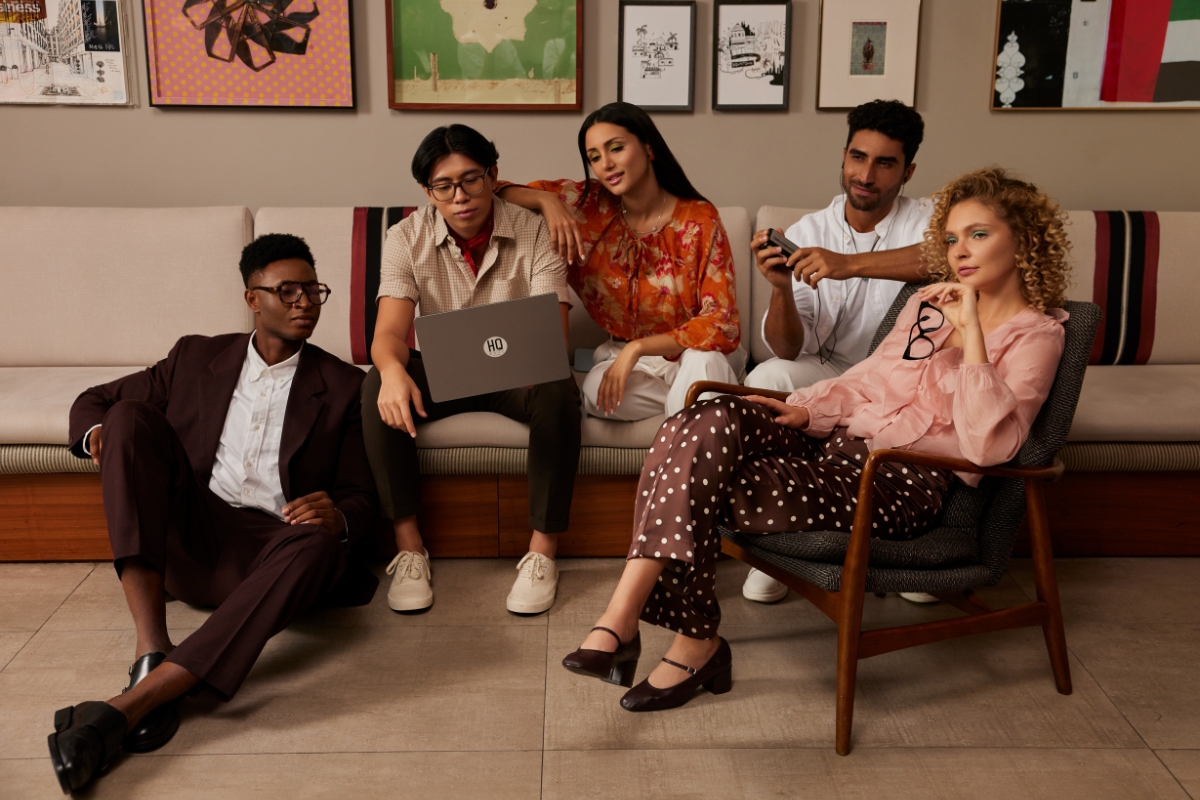
Photo Credit: Rove Hotels
Skift Take
Offices are no longer simply places where work happens — they’re lifestyle hubs. As companies struggle to bring employees back in person, HQ By Rove is demonstrating the power of hospitality-driven commercial workspaces where people actually want to spend their time.

This sponsored content was created in collaboration with a Skift partner.
Hybrid work has rewritten the brief for the office. The focus has shifted from real estate leases and floor plans toward lifestyle-oriented service as a measure of value. In this new reality, developers, investors, and hospitality brands are converging around the shared goal of creating workspaces that feel flexible and connected.
The result is an office space that behaves like a great hotel, with services and amenities that invite people in and support specific lifestyle choices. This evolution is part of a movement known as the hotelization of real estate, in which hospitality-style amenities, services, and brand experiences are integrated into all kinds of properties.
Rove Hotels is leading this shift in the Middle East with HQ by Rove, the region’s first hospitality-branded office spaces. Its first project in Dubai, developed by IRTH group, blends hospitality, design, and technology to create a new workspace model that caters to entrepreneurs, small teams, and forward-thinking enterprises seeking flexible, high-quality professional environments.
SkiftX spoke with Paul Bridger, chief operating officer at Rove Hotels, about what the hotelization trend means for the real estate landscape in the Middle East and how hospitality brands are diversifying into commercial assets to meet evolving market needs.
Changing Work Trends Demand New Work Spaces
The global rise of hospitality-led office spaces signals great change for the commercial real estate sector. According to a Cisco report, 45% of global companies have hybrid work structures, and 72% mandate in-office work. In the U.S. and elsewhere, the Great Resistance trend shows that professionals aren’t always excited about returning to the office.
As a result, offices can no longer simply be places to work if companies want to attract the top talent. According to Bridger, today’s companies are responding by prioritizing four key elements: flexibility, wellness, community, and a premium experience.
Uncertain market factors mean that companies of all sizes must be able to change shape on a dime. While historically that’s been difficult with real estate, the advent of modular, fully furnished units eliminates the burden of long-term fit-outs and makes it easy for teams to scale their office spaces up and down as their needs change. Wellness-centric design ensures a comfortable atmosphere that inspires creativity, while providing amenities focused on relaxation and physical activity.
“In a market where many companies struggle to get employees to return to the office, the focus is on creating environments people want to be in,” Bridger said. “87% of people don’t want to be in their current offices, highlighting a clear market gap for better-designed spaces.”
Designing workspaces that invite people in also means creating social hubs where they can connect, collaborate, and network. Shared areas, events programming, and a lifestyle ecosystem are all important ways that offices can create a vibrant community. Ultimately, all these facilities and amenities must meet the bar for a premium, high-quality experience.
“There’s high demand for grade A office space coupled with an expectation of hotel-like service and convenience, as seen by Dubai’s high commercial occupancy rate of around 95% in 2025,” Bridger said.
Injecting Hospitality Principles Into Commercial Real Estate
Rove Hotels’ decision to expand into office spaces was a natural evolution stemming from clear market signals and the brand’s previous successes in the hospitality sector. For example, co-working was already popular at existing Rove Hotels, and the success of Rove Home-branded residences proved that there was room for expansion.
Moving into the commercial space was a logical next step to complete Rove’s vision of a “hotel-home-office” lifestyle ecosystem. “This allows us to capture the full spectrum of a professional’s life, from where they stay and where they live, to where they work, ensuring loyalty and a consistent service experience across all touchpoints,” Bridger said.
In addition to providing an unparalleled experience, the HQ by Rove model also creates significant brand synergy. Professionals at HQ by Rove enjoy exclusive perks such as discounts at Rove Hotels and access to co-working spaces at hotel locations. This cross-pollination strengthens brand loyalty and increases customer lifetime value.
The HQ by Rove Experience
With the inaugural launch of HQ by Rove at Marasi Bay, the brand extends Rove Hotels’ core DNA into the world of work. Hospitality greets guests at the door — instead of the security desks professionals one might expect to find in office buildings, HQ by Rove tenants are welcomed by Rovesters.
Rove-inspired interiors bring strong design to the workspace, and hotel-style amenities, such as a wellness floor complete with an indoor lap pool, gym, boutique fitness studio, and yoga and meditation gardens, transcend typical commercial offerings. A dedicated food hall and vertical barista service keep coffee and dining options conveniently on-site. Tenants also have à la carte access to housekeeping, laundry, and concierge services.
The workspaces at HQ by Rove are modular, fully furnished units ranging from hot desks to lofts, allowing businesses to easily scale and adapt. Floating treehouse cabins inspire collaboration and creativity with private meeting rooms, acoustic pods for focused work, and production studios for content creation and podcasting.
The Middle East Is Ripe for Hospitality-Branded Workspaces
The hotelization of real estate is gaining traction among developers and investors due to its potential for superior returns and market resilience. HQ by Rove’s modular design concept makes premium commercial real estate accessible to a wider demographic, including startups and entrepreneurs. In addition to broadening the available market, partnering with an established hospitality brand like Rove reduces investors’ operational risk and leverages existing brand loyalty.
As the Middle East’s first standalone hospitality-branded commercial space, HQ by Rove is designed to be a dynamic environment where work and life are seamlessly integrated. This model is well-suited for the region due to a growing demand for lifestyle-first, human-centric workspaces over traditional offices. Rapid urbanization in the Middle East, along with an increasingly diversified economy, creates an environment where hybrid and mixed-use developments thrive.
“Mixed-use, hybrid projects appeal to a broader demographic, including tourists, remote workers, long-term guests, and business travelers, making the real estate sector more sustainable and resilient against market fluctuations,” Bridger said.
In the future, HQ by Rove expects the relationship between hospitality and commercial real estate to deepen and become permanent, to the point that the boundary between the two sectors disappears. “The core philosophy will shift from landlord-tenant to host-guest,” Bridger said.
Hospitality brands are perfectly positioned to pioneer this shift, because the level of experience a workspace can offer will become a critical point of differentiation. “Developers and owners will transition from competing on square footage and price to competing on experience, service, and community,” said Bridger.
To learn more about Rove Hotels, visit hqbyrove.com.
This content was created collaboratively by Rove Hotels and Skift’s branded content studio, SkiftX.