The Next Chapter of Flexible Work Looks More Like Hospitality Than Real Estate

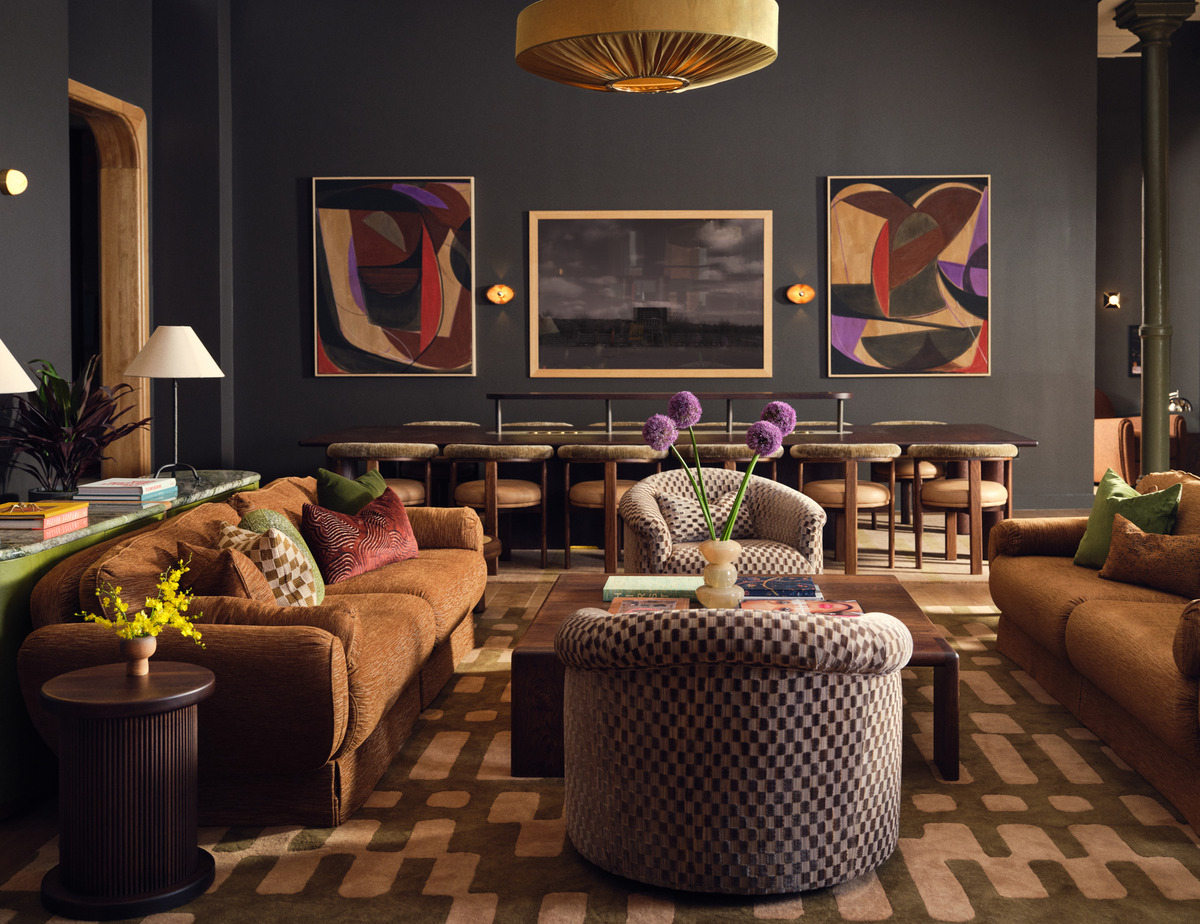
Photo Credit: The Malin Flatiron The Malin
Skift Take
Flexible work isn't disappearing; it's being rebuilt with hospitality logic. Brands like The Malin show that small-scale, service-led models — run more like boutique hotels than real estate plays — can succeed where lease-heavy coworking failed.


On Experience
Colin Nagy is a marketing strategist and writes on customer-centric experiences and innovation across the luxury sector, hotels, aviation, and beyond. You can read all of his writing here.One of the most telling stories about The Malin co-working membership club doesn't involve square footage, lease terms, or even design. It starts with a lost luggage tag.
A longtime member at one of the brand’s New York locations mentioned — almost in passing — that she'd misplaced the tags for her Rimowa suitcase. A staff member overheard the issue, stepped out during lunch, had new leather tags made with the member's initials, and left them as a small gift. The cost was negligible. The impact wasn't. Years later, that moment still circulates among members — and so do referrals.
That anecdote captures why The Malin matters right now. In a flexible office market still defined by the collapse of its most famous operator, a different model is emerging — one built on hospitality logic rather than real estate logic.
Founded in 2021 by Irish entrepreneur Ciarán McGuigan, The Malin positions itself not as a coworking company but as "a workspace fo