Luke Martin is Skift’s UK-based Jr. Hospitality Reporter, covering the dynamic world of hotels. Prior to joining Skift, Luke worked at GlobalData, where he covered a wide range of industries including hospitality, automotive, retail, and packaging.
With Leeny Oberg retiring after 26 years with the company, Marriott is leaning on internal veterans to maintain strategic momentum without rocking the boat.
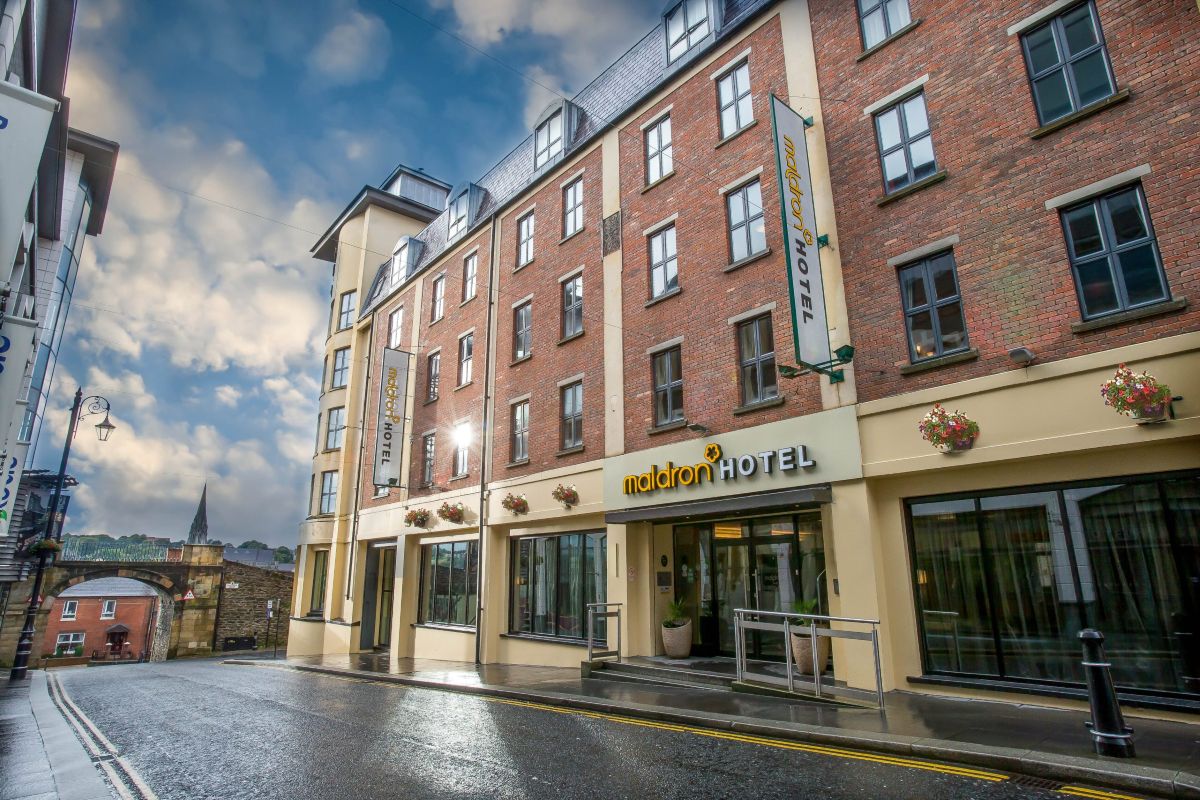
Ireland's largest hotel operator, Dalata, is exiting the public markets. The deal has a good chance of introducing Scandic Hotels to the UK and Ireland markets as manager of most of the hotels.
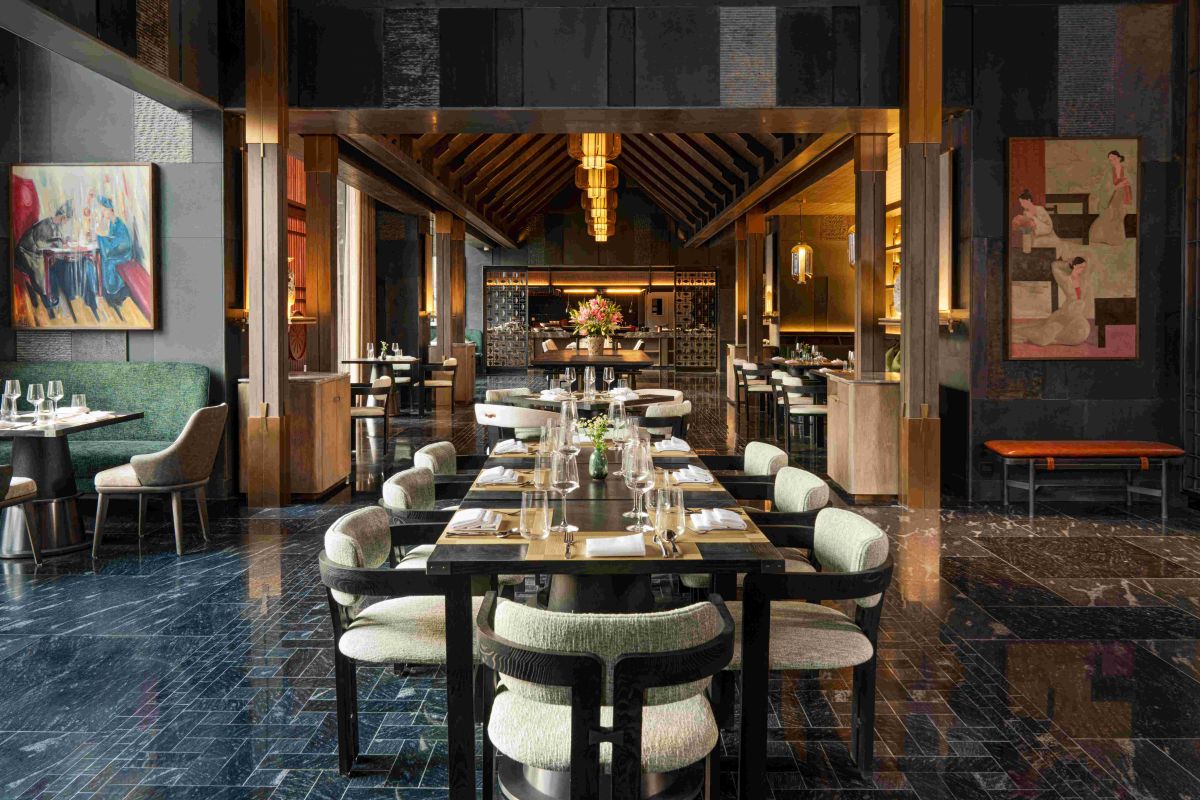
Dusit is best known for its luxury hotels and skill at channeling Thai hospitality. Its new brand is one-tier down in affordability and is more flexible for conversions. That should help the group scale more quickly.
Despite commanding premium rates, hotels with spas often struggle with labor costs and other fixed expenses, according to an analysis of 11,000 hotels worldwide.
Dishoom’s first foray into hotel-style lodging is an example of a cult restaurant brand extending its reach. The test is one key, two rooms, with the vibe of eccentric Bombay in Notting Hill.
Neil Jacobs fundamentally redefined ultra-luxury resorts by positioning Six Senses with themes of wellness and environmental stewardship. This created a new market category that many rival brands have been emulating.
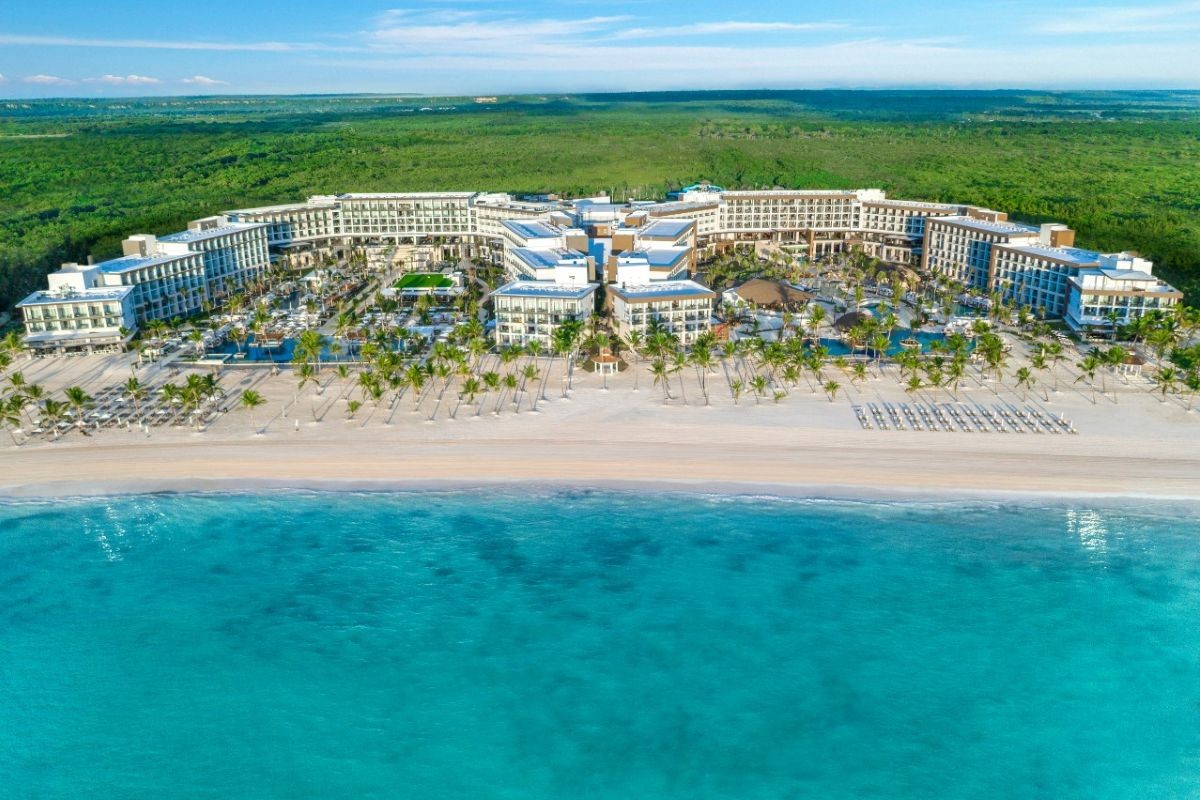
After selling these 15 resorts, Hyatt will once again look less like a real-estate company and more like a capital-light services business. It will be less likely to get clobbered during a downturn from volatile cash flows tied to depreciating assets.
Centralizing commercial operations sounds simple. But for firms like L+R, it means undoing years of siloed decisions across brands, tech stacks, and teams.