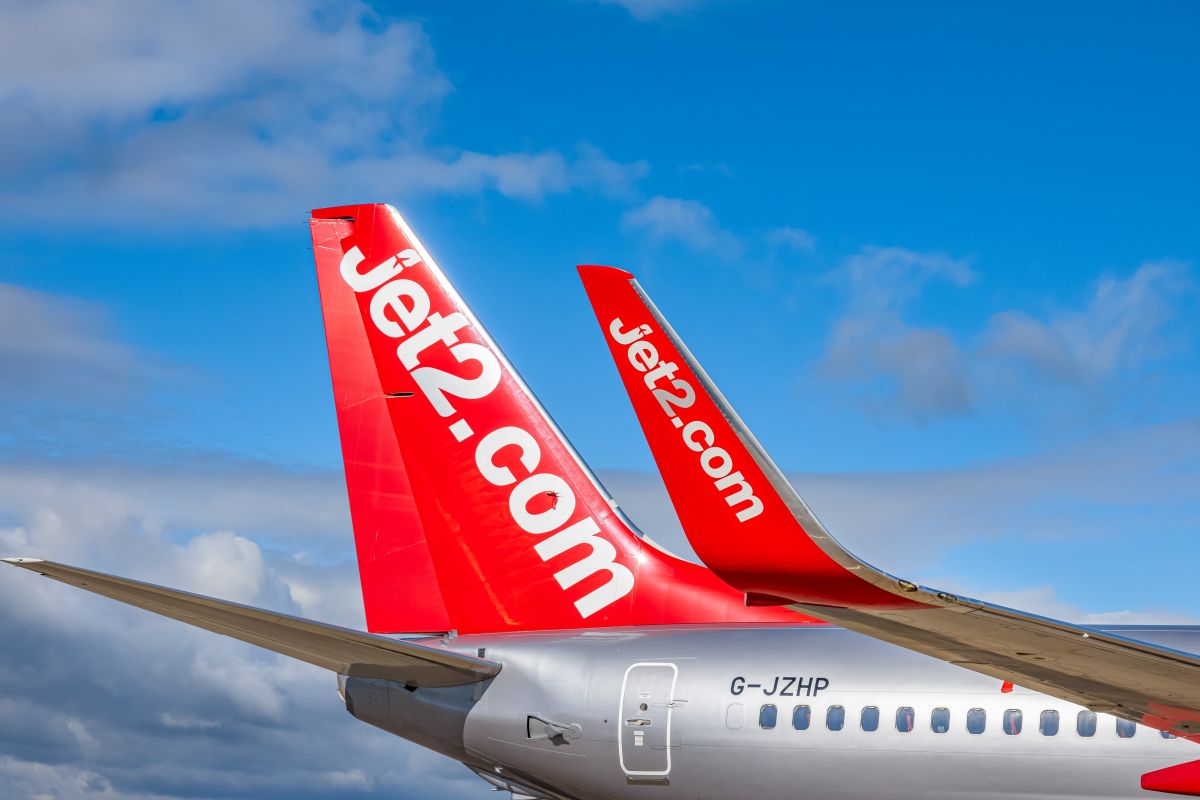
Jet2’s viral TikTok moment highlights the unpredictable power of nostalgia and remix culture, where even the most mundane creative assets can supercharge brand awareness.
In a drive for loyalty and attention, high-stakes travel challenges are growing in popularity. These airline campaigns generate buzz, but they also raise thorny questions around ethics, sustainability, and long-term brand impact.
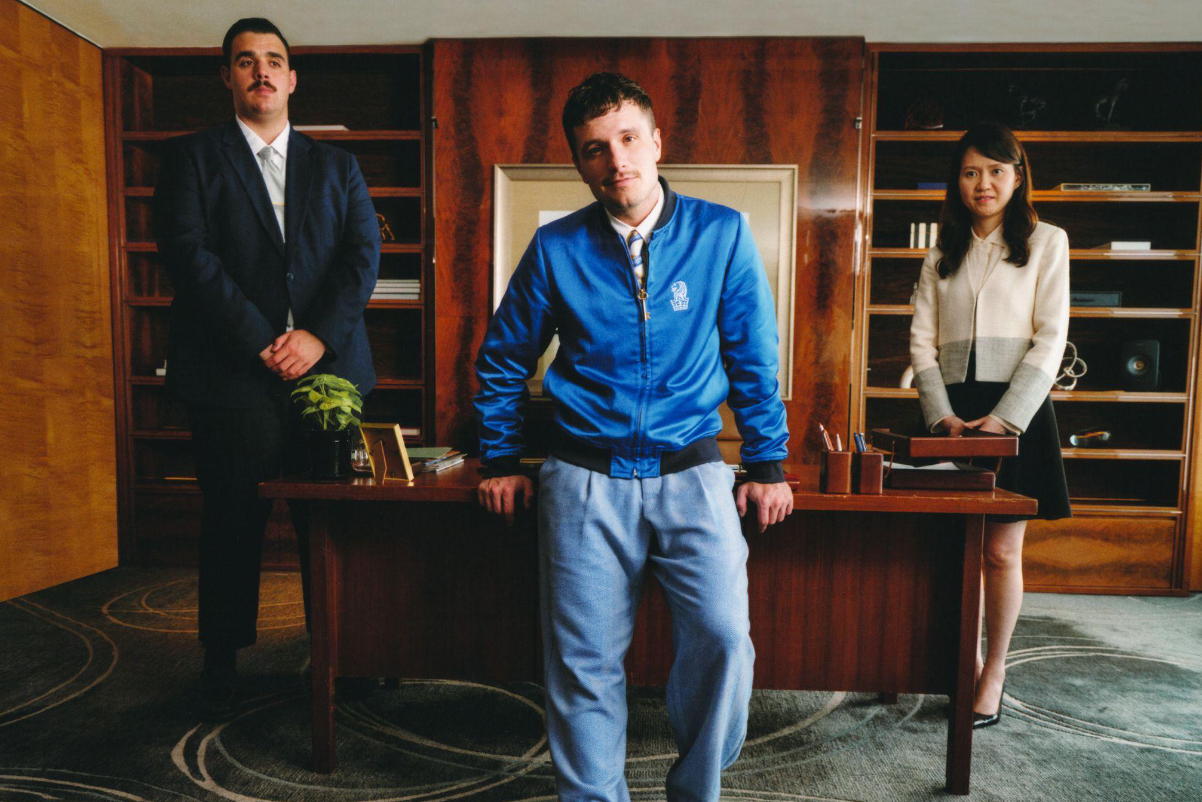
The Ritz-Carlton beat 181 other luxury brands to win advertising's top prize by doing something hotel marketers rarely attempt: ditching brief poolside glamour shots for a quirky four-minute movie.
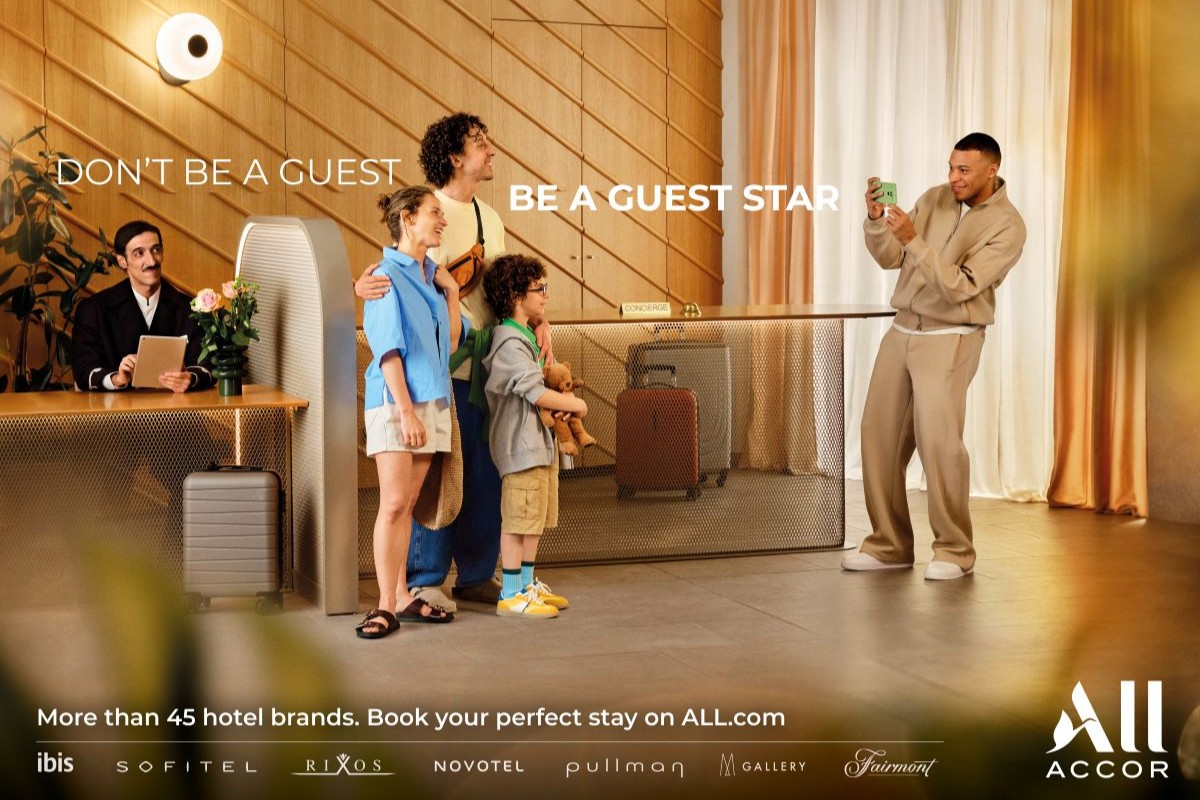
Accor is running ads for its loyalty program that star footballer Kylian Mbappé. The goal is to drive more direct bookings. The backstory is that online travel agencies are incredibly convenient for consumers and incredibly expensive for hotel companies like Accor.
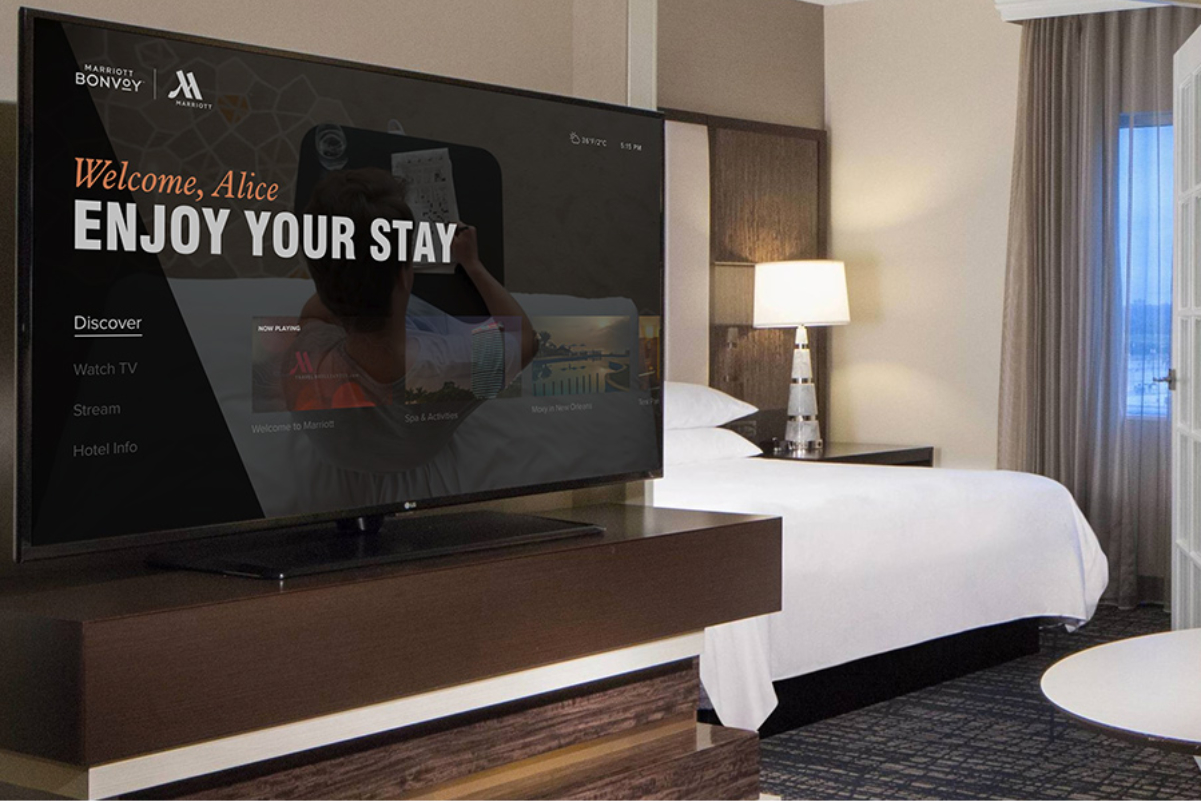
Brands like Visa and Gatorade have begun advertising across Marriott's many screens. Its booking app? Ads. Your hotel room TV? Ads. The Wi-Fi login page? More ads.
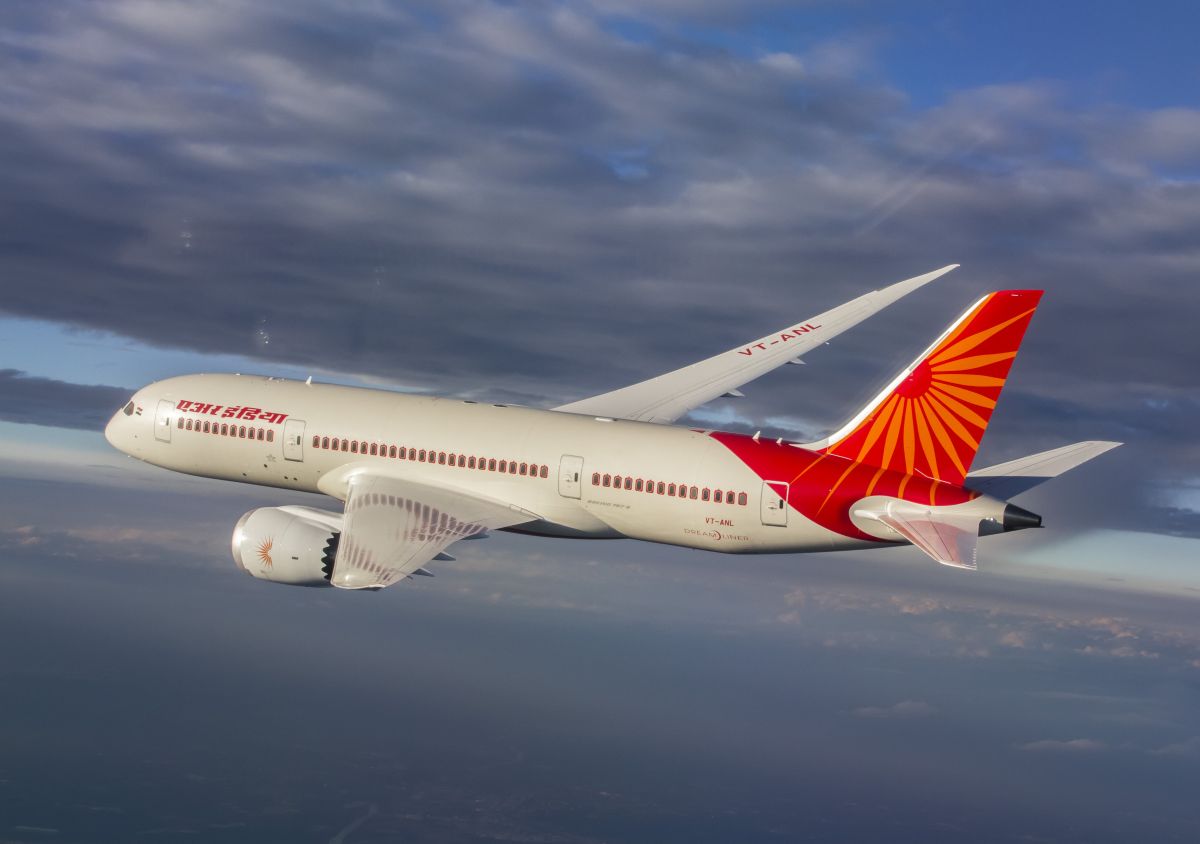
The cause of Thursday’s crash remains unclear, but one thing is certain: Air India faces a critical test in managing the narrative and minimizing unhelpful speculation.
The world's largest hotel franchisor wants its guests to think "I am a Wyndham person" rather than "I am a Super 8 person who sometimes stays at other random hotels."
Social media is no longer just inspiring travel, it’s where trips are being researched, priced, and booked. As platforms evolve into powerful sales channels, creators are becoming the new travel agents, short-form video is replacing static ads, and the booking journey is evolving into a low-friction social interaction.
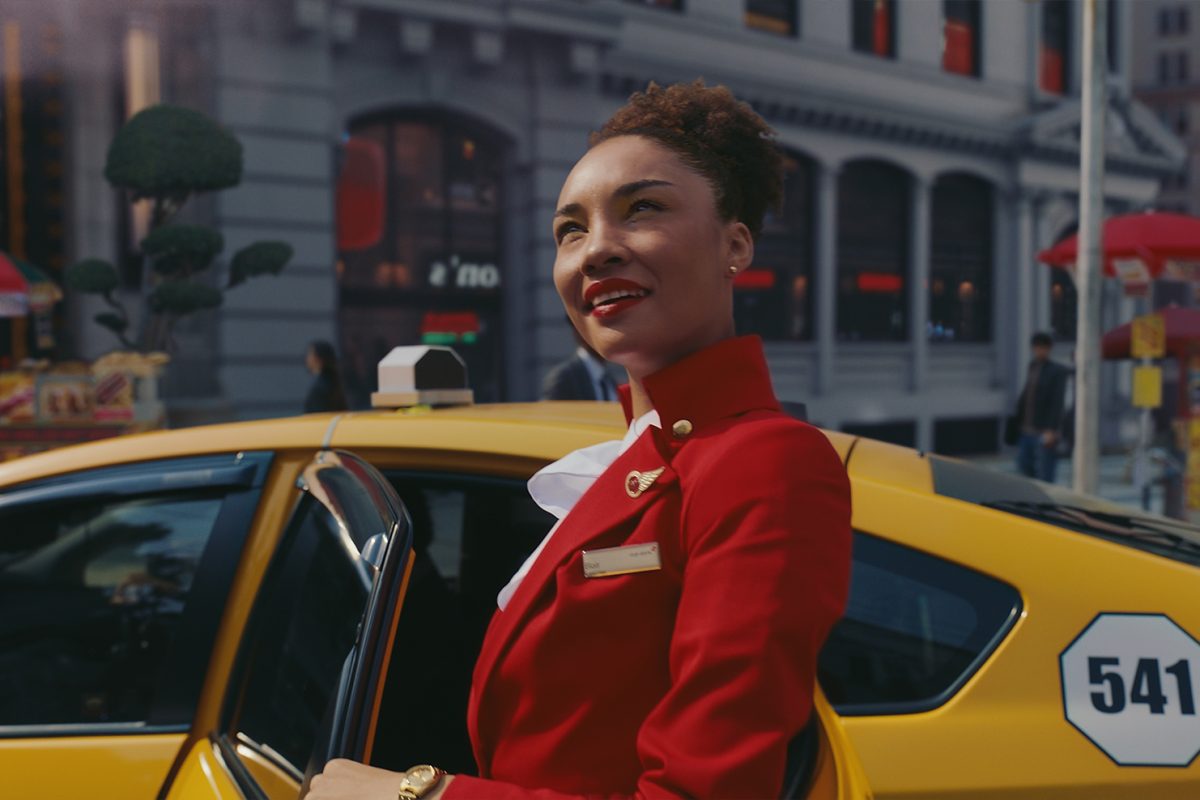
The diversity is still there, not least in Angelou's powerful prose, but it's also about the diverse destinations served by the airline – arguably a much safer corporate position amid intense culture wars.