For the last decade destinations have fought hard for airtime on reality shows, but we may be seeing a new metric for tourism success: the Bourdain Bump.
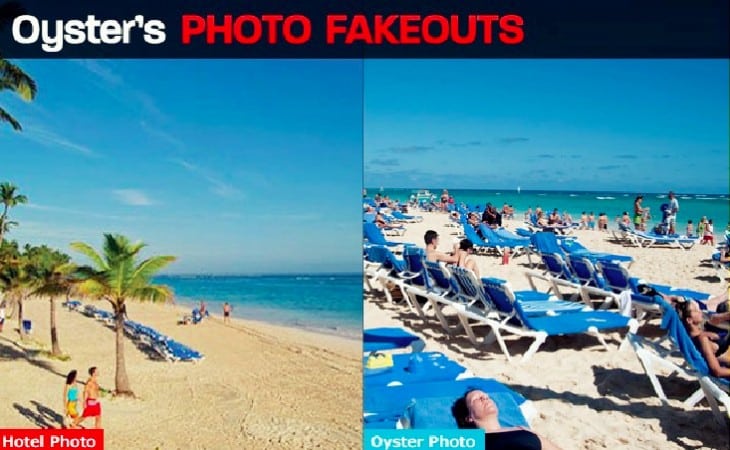
Given the expense of dispatching staff to each hotel to write reviews and take photos, Oyster never had a clear business model. But it is clear that TripAdvisor values Oyster's photos as a way to bridge the gap between hotel-supplied photos and very amateur guest photos.
Oyster began with grand ambitions and little understanding of how to create content without spending lots and lots of money. That content will now find a home at a brand that understands more sensible ways to do the same thing.
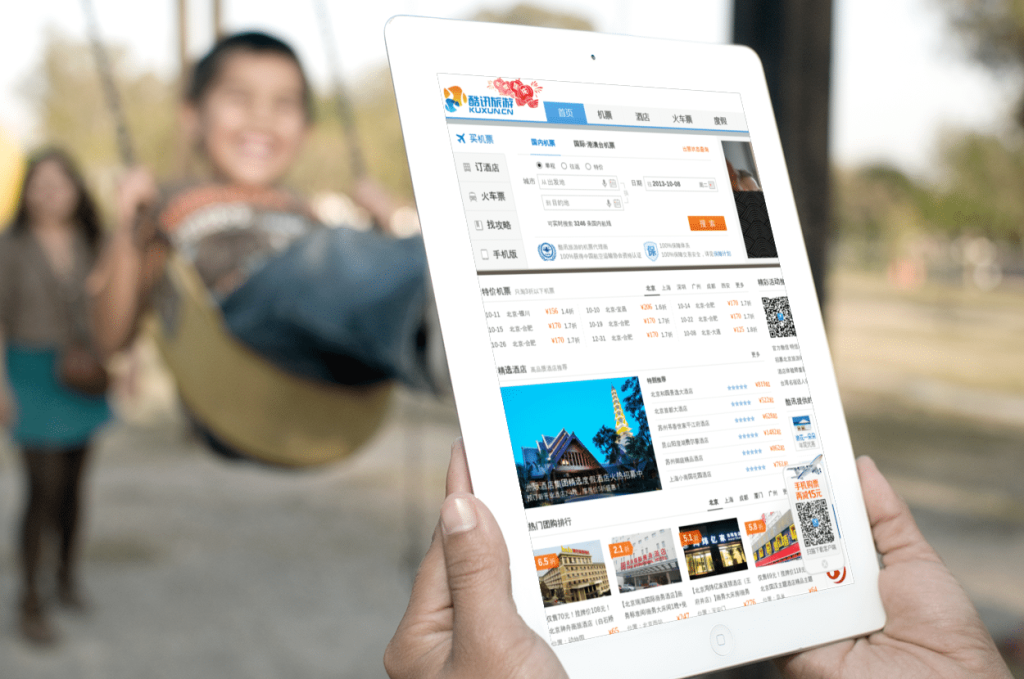
Considering the market penetration of online travel in China, still a long way to go on growth, and mobile is just getting started. Homegrown players dominate the market, and the only way larger global players can get in is buy their way in.
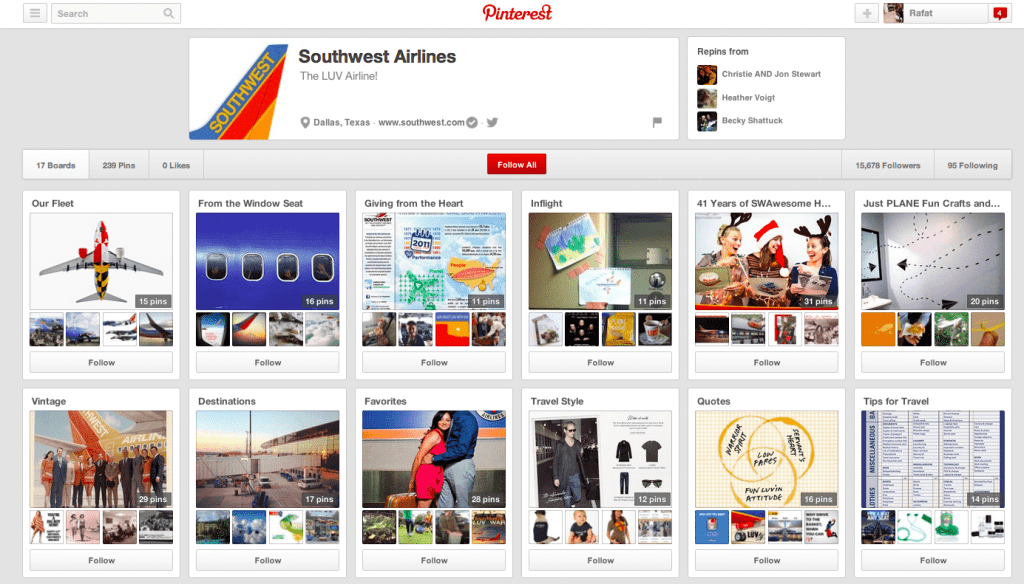
Pinterest has way more travel pins than TripAdvisor has reviews and opinions. The level of engagement on Pinterest is incredible. The jury is out, though, on what it all means for travel.
Sequoia Capital's investment in Skyscanner is the latest huge endorsement of travel metasearch. But could a pivot toward hotels and a possible rebranding that goes beyond airfares be in Skyscanner's future?
The United States recently started promoting itself as tourist destination overseas, but these images shared on social media channels worldwide will send a much louder and unwelcoming message to potential visitors.
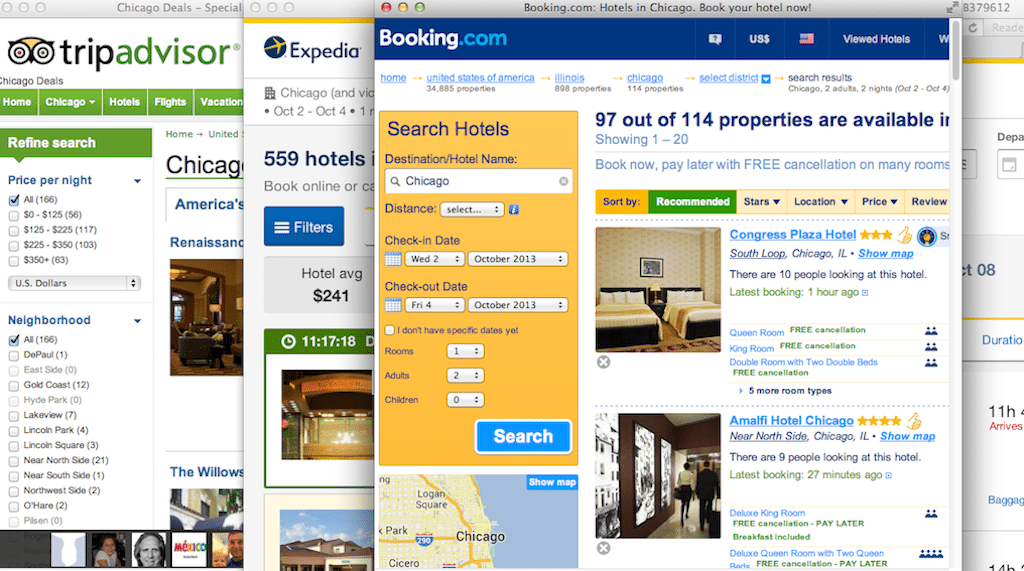
TripAdvisor will talk about how its transition away from hotel search through pop-under windows to metasearch was driven by the need to improve the customer experience, and that indeed was part of the reason. But, the bottom line is it was mostly about the bottom line i.e. the economics.