If online travel agencies want to go to where people are booking travel, they are going to have to make the B2B game an integral part of their businesses. Otherwise, they'll be handing those potential customers to competitors.
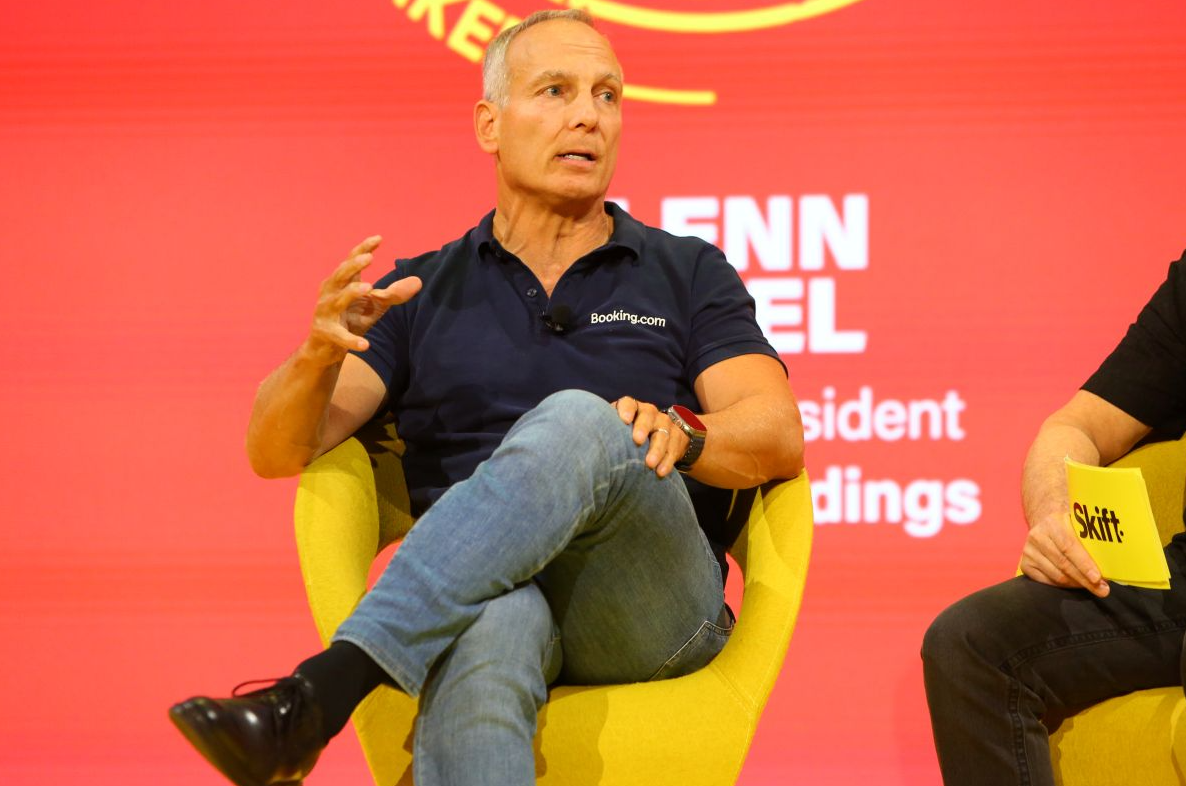
Booking thinks its future agentic AI experience would be able to out-personalize the ChatGPTs and Geminis. Maybe that's so. But the LLMs will have a helluva lot of customer data, as well.
Airbnb's Brian Chesky said the emergence of native AI apps — there currently aren't any in travel — changes the ballgame, and the company can consider entering new businesses that it previously thought were off limits.
At an infinitesimal fraction of the scale, an Inspirato-Buyerlink reverse merger, with both entities controlled and operated by Payam Zamani, would be something akin to Musk's Tesla going out and making a deal to acquire his AI startup xAI. Neither would be a good look.
The judge's order in the Google antitrust case was a huge letdown for travel businesses that have tried to force changes to the way Google displays travel search results.
Both Vrbo and Airbnb have been removing listings and taking other actions against malicious hosts or those who are clueless about hospitality. Vrbo's new policy should be seen in that context.
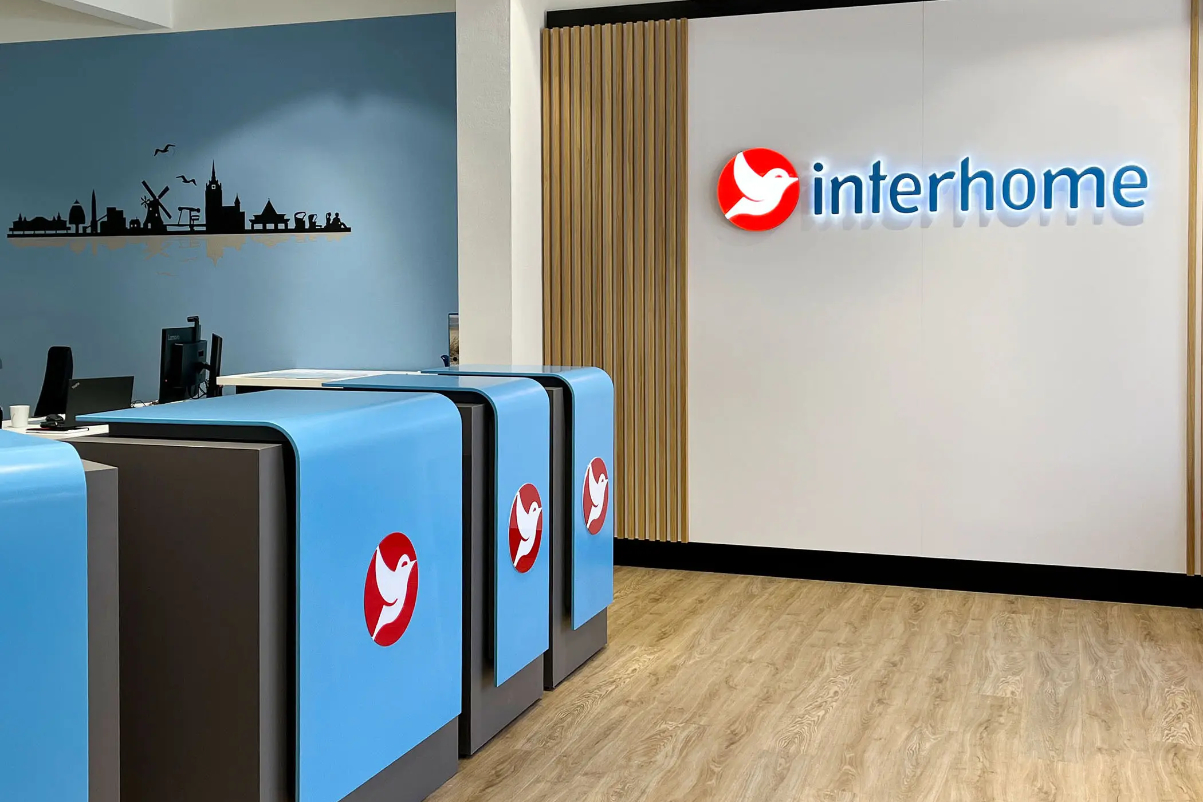
HomeToGo just spent over $200 million to buy Interhome, a Swiss vacation rental operator. The move may cement the brand's shift from being a consumer-facing "Kayak for vacation rentals" to more of a B2B platform.
You can expect many hosts to switch to the single-fee model, where guests won't see a service fee when booking. The alternative is to lose a lot of business.