With the groundings behind him and fuel falling, CEO Nikhil Ravishankar loses many of the excuses. The three-pillar reset now has to deliver on its own.
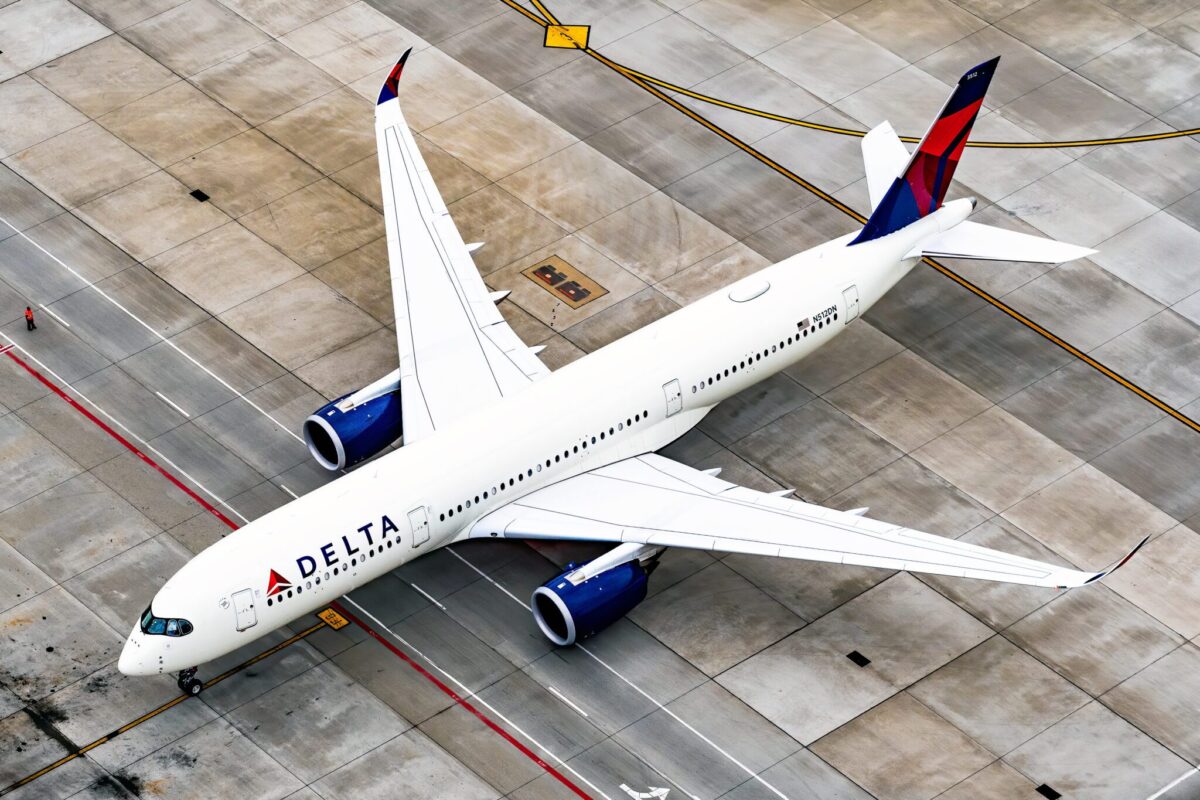
Delta has spent much of 2026 building up its presence in Asia partly in an attempt to gain more market share in the Pacific from its major rival in the region, United.
The Iran war disrupted travel across key corridors, but it also exposed a larger shift already underway. Asia increasingly brings together the demand growth, traveler demographics, value, and digital behavior shaping the industry’s next decade. Many strategies are still built around the demand patterns of the previous one.
Chinese airlines are missing the party. While carriers across East Asia thrive on red-hot premium demand, Mainland China’s 'Big Three' have struggled for six straight years, hampered by lost North American routes, outdated fleets, and stiff competition. Can they catch up?
The travel industry's growth hit a plateau in February 2026 as the geopolitical conflict in the Middle East paralyzed global air corridors, upending the Middle East's record growth. The industry's resilience now depends on its ability to effectively redistribute global travel demand.
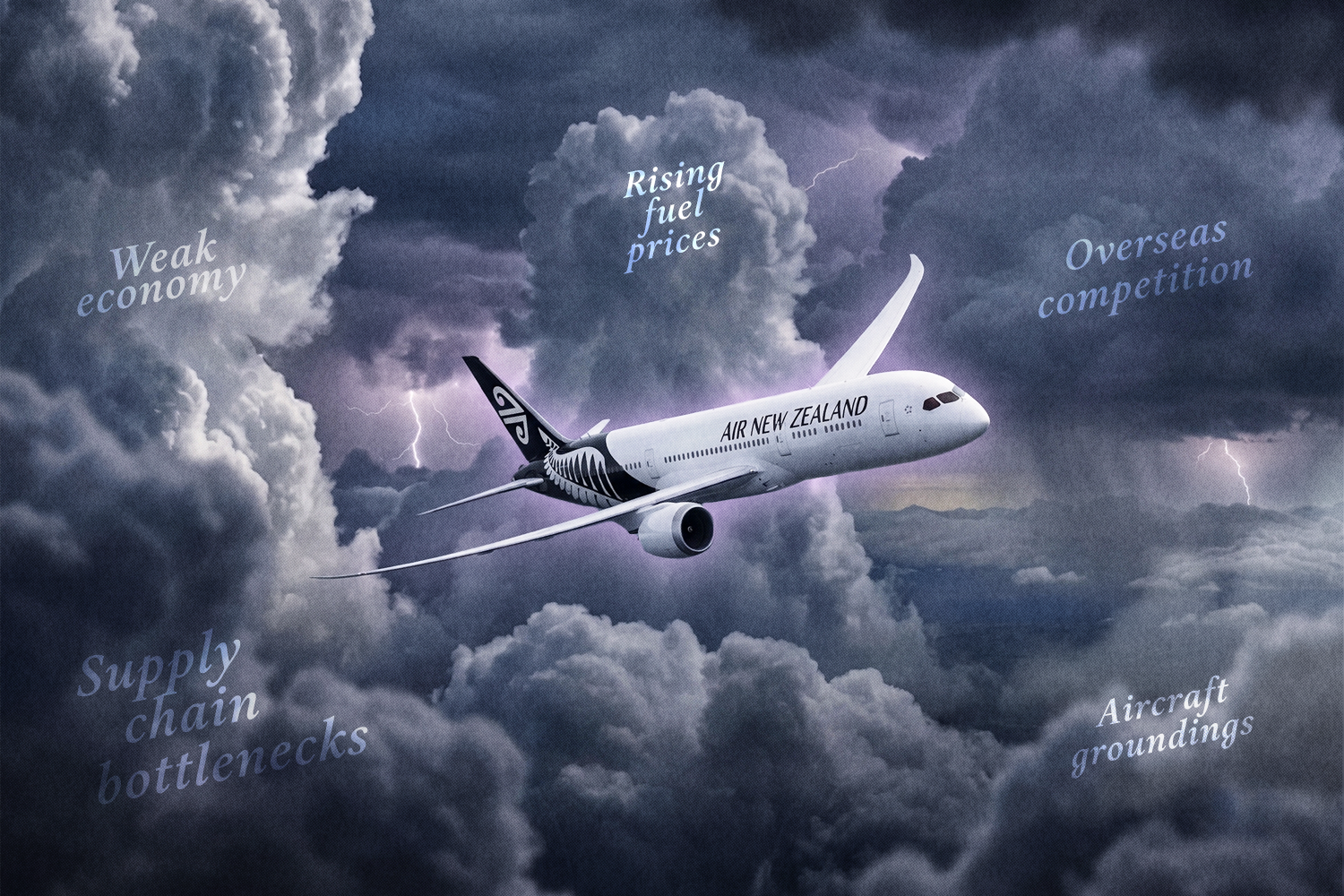
Cebu Pacific is feeling the pressure. Fuel prices have surged, yet rising fares and resilient demand are keeping revenues climbing almost as fast. How long can this delicate balance last? We explore the growing risks facing airlines in this week’s feature story.