Fitting 197 passengers is still crowded, but the focus on providing some extra legroom is an important change for the Ryanair mindset. We wonder what the airline is hiding behind the "curtain" remark.
Even if we don’t play for the NFL, NHL or NBA, we should be excited about this particular development in aviation. It is a step forward towards the future of travel for the rest of us.
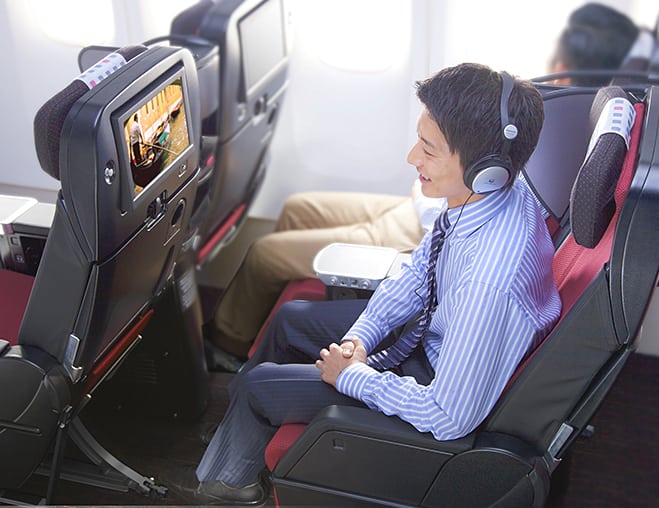
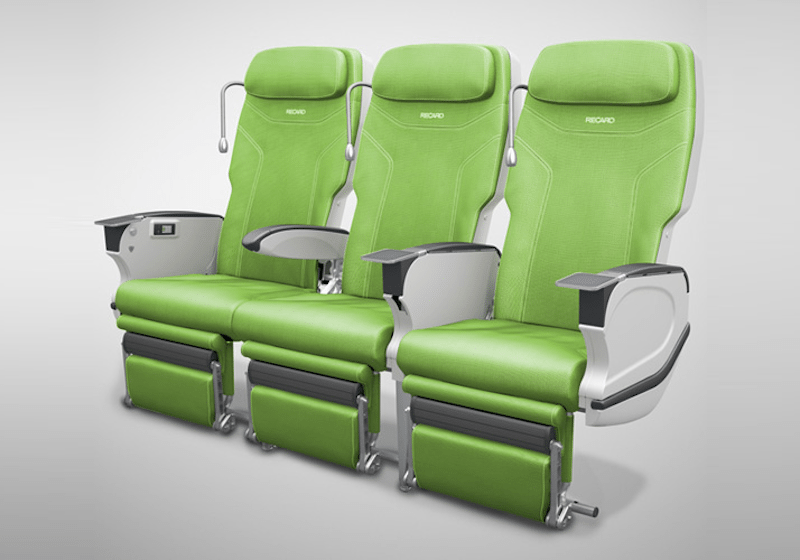
Carrying over the most successful features of its Sky Suite 777 aircraft, and leaving room for passengers in the back is a great move by JAL. Introducing a Premium Economy cabin with more room, premium services and seats that slide forward on a sled--avoiding conflict with the back--is a smart choice.
Failing to ban something which affects the function of the seat trays in this manner, seems to put regulators at odds with their core responsibilities for cabin safety and component certification. But, for now, it's up to passengers to decide whether they want to take the risk and up to airlines and manufacturers to cope with any consequences.
U.S. airlines will have to come out and be more vocal about whether they explicitly ban the usage of devices such as Knee Defender, now that it is in the public consciousness. But regular Americans have spoken: they frown upon such devices.
Delta's decision not to replace the vendor raises the question of whether its passengers will notice, or care enough, to get the airline to change its mind. This might be the perfect test-case for the true appeal of duty-free.
As Professor Walsh says: “Flying presents the body with a unique set of challenges, but getting a proper sleep on a flight isn’t rocket science.” Though frequent flyers will point out that it can defy the laws of Physics.
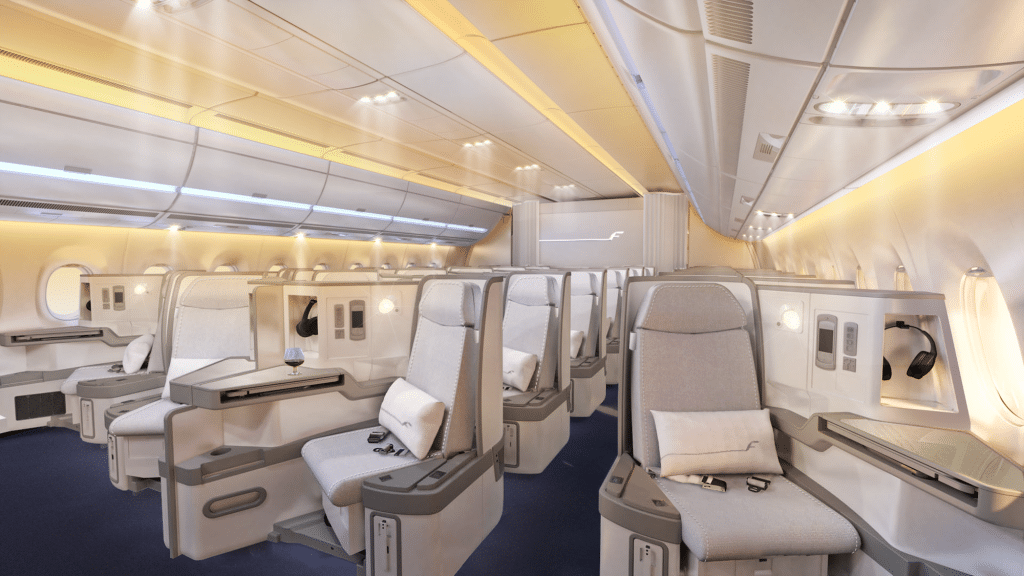
Finnair respected the best features of the A350XWB by choosing to keep it simple, and roomy. We can only hope other airlines which will fly the A350 will be inspired by this approach.