The U.S. Supreme Court heard arguments Friday from TikTok's Chinese parent company, which is attempting to block a law banning short-form video apps. What's at stake for the travel industry? Here's a Skift explainer.
TikTok's move into travel-specific advertising signals its growing influence in the sector and challenges the perception that it's just for Gen Z dance videos.
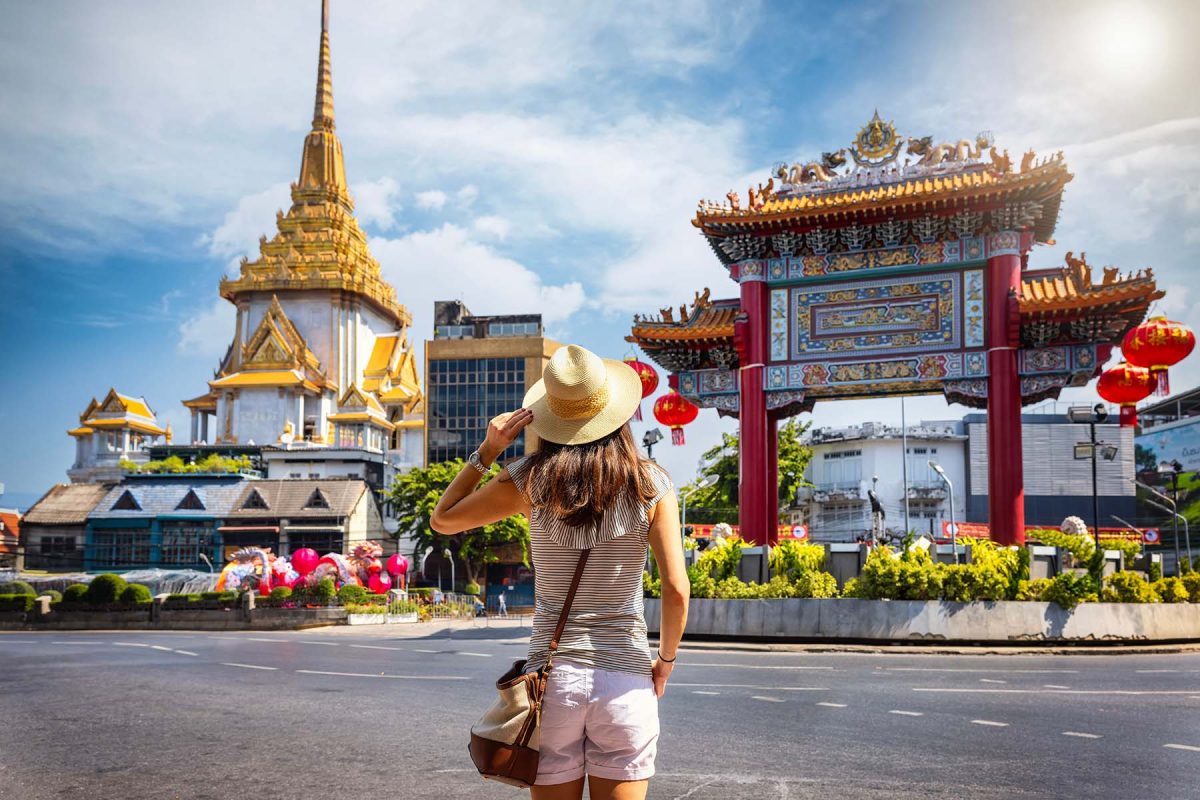
Thailand's move to blend AI with spiritual tourism isn’t just a clever marketing tactic, it’s about reshaping what travel means in a digital world. The real question is, will other destinations jump on this trend, or will Thailand’s unique mix of ancient beliefs and modern tech stay one-of-a-kind?
The Chinese travel wave is slowly making a comeback, but travelers have new habits and expectations. Companies need to step up by offering more flexibility and personalized experiences with a focus on value.
Today’s travelers engage with TikTok to discover new destinations, travel tips, and itineraries through authentic videos that engage communities of like-minded visitors. But TikTok is no longer just the platform where users build their travel itineraries — it's also where travel brands are building their businesses.
Social media isn’t all fun and games. There’s serious money to be made, and Klook is buying into the trend with its latest TikTok tie-up. Klook's message is clear: Come for the video, stay for the tour!
This move of tapping into influencer marketing is part of a broader push to digitally transform Thailand’s tourism industry. This also keeps pace with a global trend where social media personalities play a significant role in shaping travel choices.
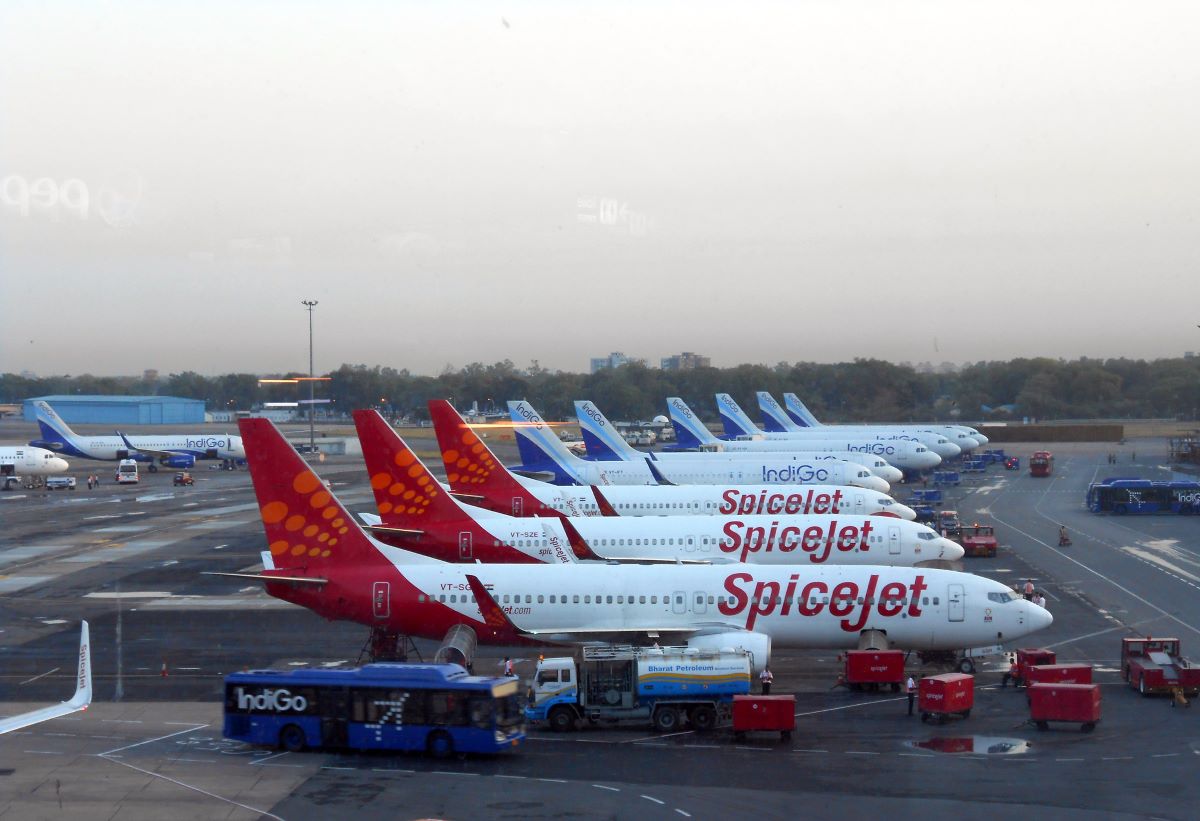
Two tourism powerhouses, two economic giants, two of the world's most populous countries — and yet, not a single direct flight between India and China.