The Department of Tourism Philippine's newest video is the epitome of "talk about creative advertising" — performers mold their bodies into birds, mountains, waterfalls, and oceans to remind tourists that there are workers behind every tourism experience, and that they deserve recognition.
In an age of ever-shrinking attention spans, destination marketing organizations (DMOs) need to rethink their engagement tactics. In this video, Dan Holowack, co-founder and CEO of CrowdRiff, shares how visual stories can uniquely enable destination storytelling and drive meaningful results.
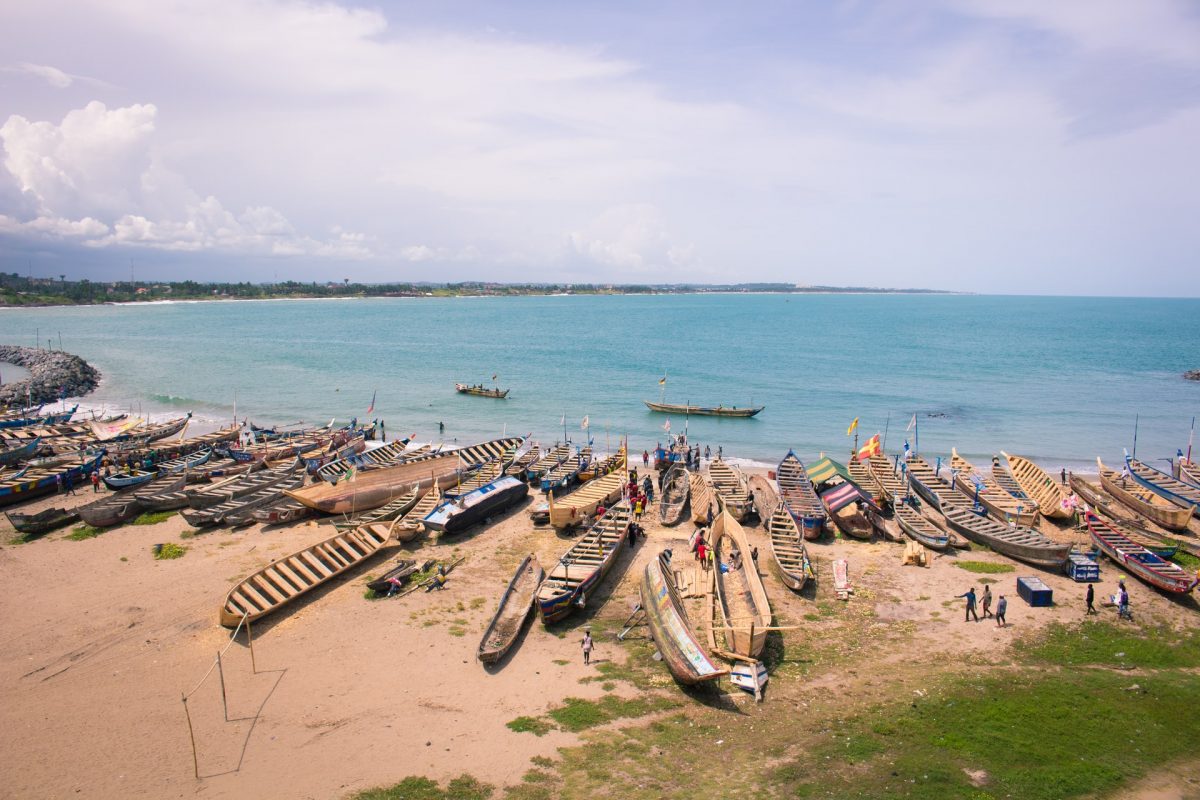
Ghana’s push to attract more African Americans to visit and invest makes sense, but using celebrities to drive the campaign is problematic. Not least, two years of pandemic means residents will increasingly scrutinize the tourism sector and demand a transparent, long-term plan to benefit host communities.
On Prince Edward Island, Mary Robinson, president of The Canadian Federation of Agriculture, is helping the island cement its role as a thriving hub for Canada’s agribusiness sector and a world leader in addressing climate change.
Humanizing local communities in popular global tourism destinations is still frighteningly not happening as it should, but Puerto Rico's new campaign shares local stories told about, and by, real individuals to portray a genuine picture of who they are.
As travel returns, destination marketing organizations are looking for new and innovative ways to connect with potential visitors. In this video, Dan Holowack, co-founder and CEO of CrowdRiff, shares why leveraging visual stories across the web is both a powerful marketing strategy for destinations and a popular channel for travelers seeking unique experiences.
As a traveler of color, I approve this message. As a tourism marketing effort, it's a smart one ahead of what's predicted to be a busier and more competitive summer than last year's. Way to go, Boston — and look out New York City.
If there's clear evidence that tourists are equally happy in lesser-visited areas, will the travel industry come together to rework those problematic bucket lists and spread tourism's benefits? Or will it continue to be economic recovery first, followed by more sustainability pledges?