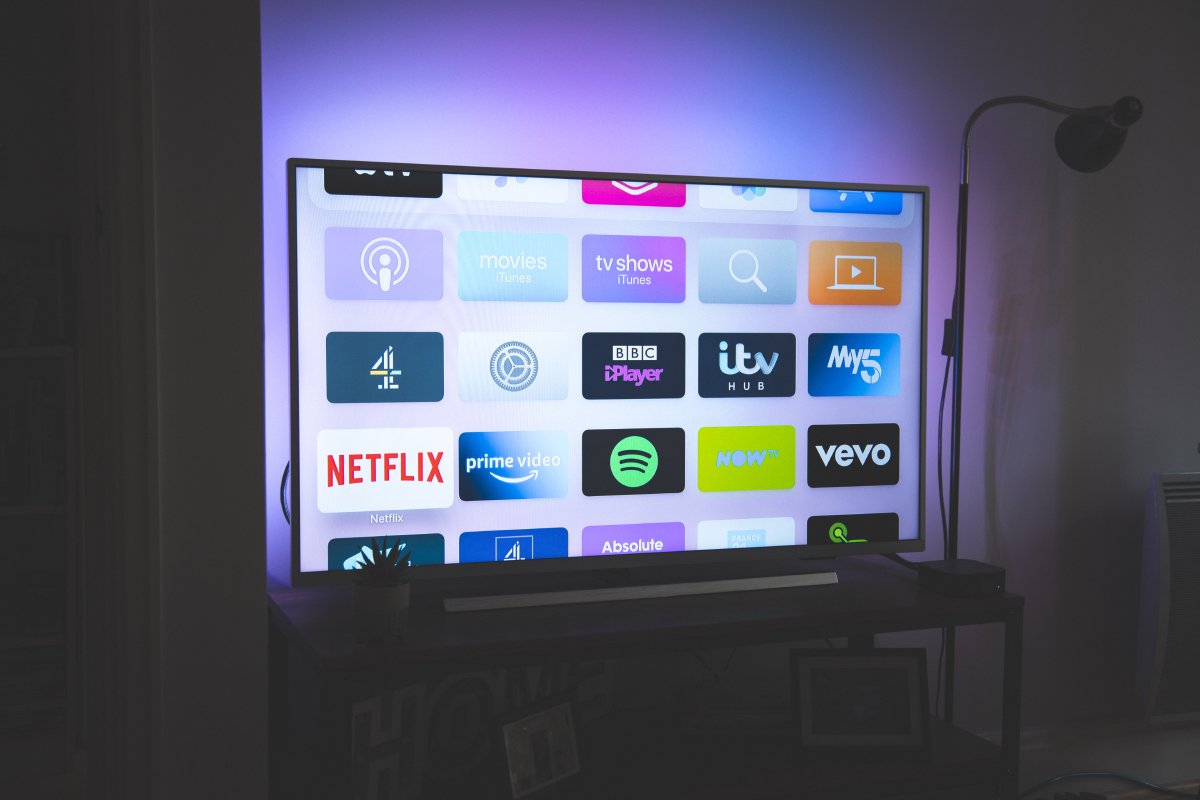
As TV becomes even more digital and people cut the cable cord further, expect it to compete directly for destination marketing social media advertising dollars.
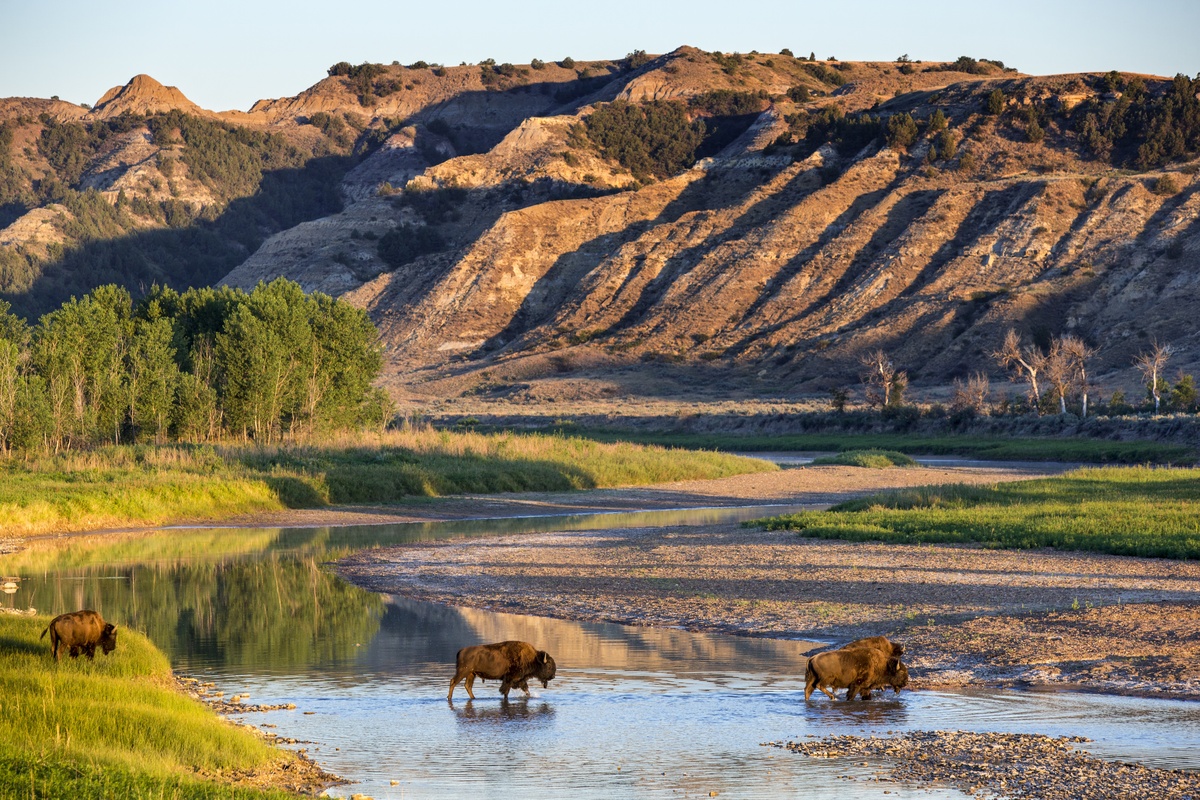
Rural and outdoor destinations were banking on the brand awareness they built during the years that major urban destinations were out of the competition. But return-to-normal may be eroding the visitor numbers from the pandemic years as tourists return to more crowded locations. Still, out-of-the-way places are confident travelers will still seek that breath of fresh air.
Political unrest continues to unravel tourism recovery in Peru. Tour operators were forced to evacuate tourists and halt tours to Machu Picchu over the weekend due to ongoing violent protests…
Limitations on understanding the travelers visiting friends and relatives segment have been eroding, but they are still there when it comes to the imaginations of destination marketers. Tourism agencies should try to push the envelope.
Despite the criticism, New Mexico True has become a trusted brand that captures the destination’s nuanced, complicated history and gives the campaign space to grow and evolve with new stories year after year.
As more and more travelers turn to short-form content for trip discovery and inspiration, the stage is set for destination marketing organizations (DMOs) to fully embrace this popular format as the most effective way to engage with today’s audiences.
In Skift top stories this week, we highlight five U.S. destinations remaking their tourism strategies, American Airlines takes a big step in paying off its debt, and Airbnb is top spender among travel brands on U.S. TV this year.
Five U.S. destinations geographically spread out, of varying sizes and with different transformative strategies — and challenges — point to what destination marketing organizations will have to do in the coming years.