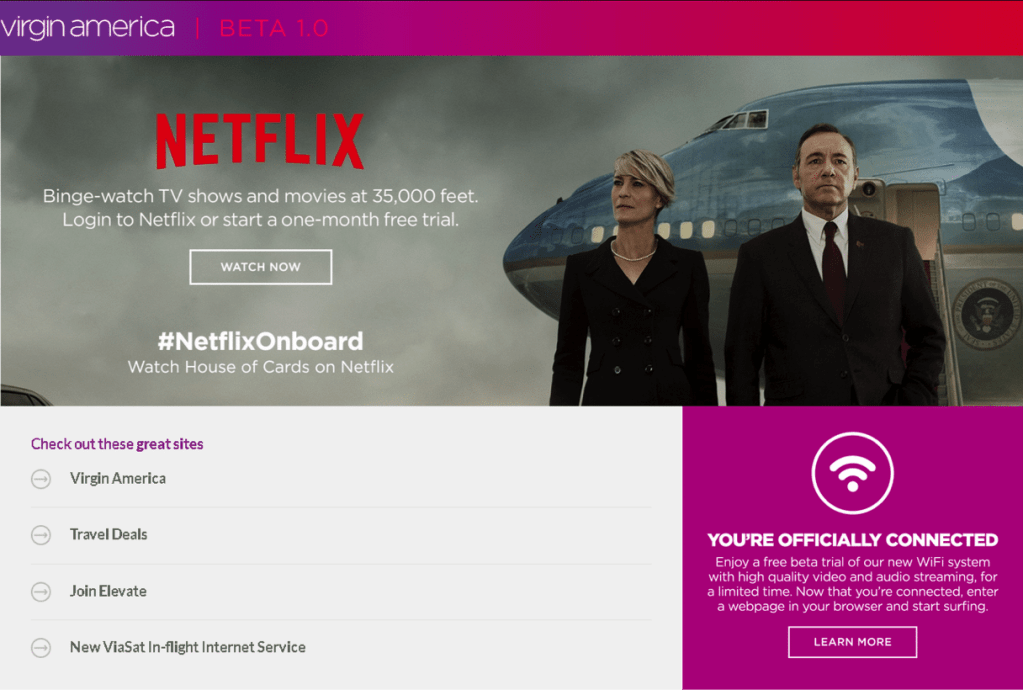
The thinking behind this is that tap-tap and connect is easier for passengers—and more intuitive to mobile-device users—than loading a portal and entering information to connect through a browser. There's something to that. The beacon ‘reminders’ to use the connection, however, will have to be designed carefully so they don’t annoy.
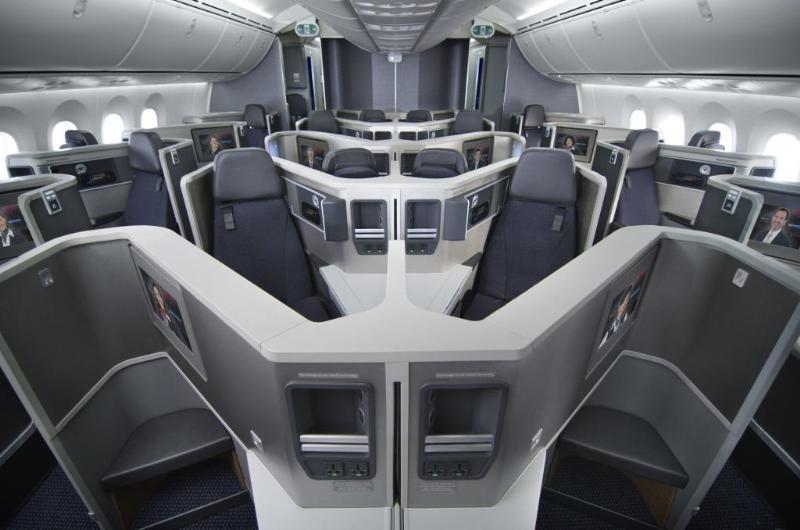
While program delays are problematic, and this situation has been ongoing, the contract dispute between American Airlines and Zodiac Aerospace now moves to the courts. A settlement is always a possibility.
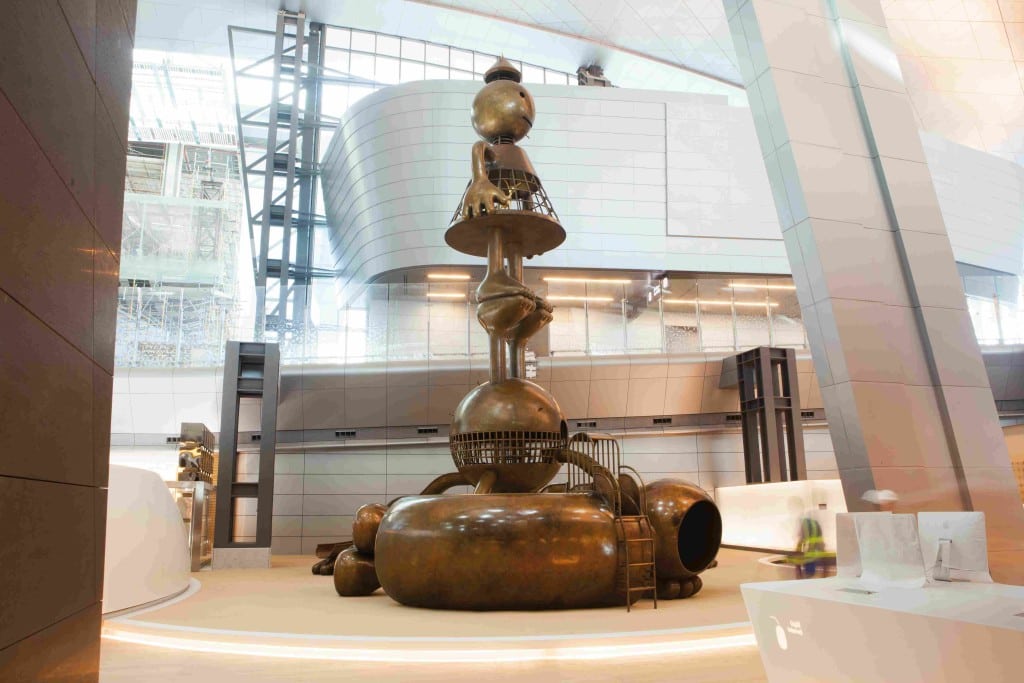
Not many airlines have the luxury of designing an entire airport around their brand, but there is a lot airlines can do to design a seamless ground experience for their passengers nonetheless.
The thousands of screens on aircraft, either built-in or brought onboard, offer advertisers and brand partners many ways to reach consumers. With connectivity and advanced IFE systems gathering user data, the skies offer limitless possibilities for targeted campaigns and direct sales.
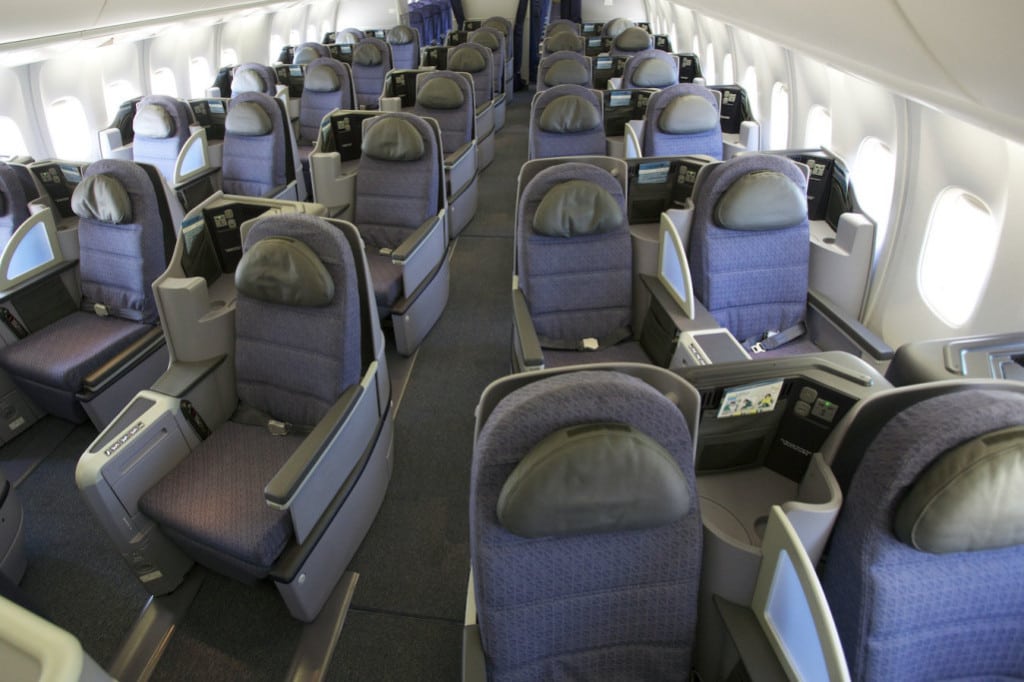
United’s tracks moving forward could run along the lines of the Amtrak model; not aspiring to compete with global airlines on design, passenger comfort, and perks. If the kinks are taken out of the system, staff unity is achieved, fares are competitive, and United becomes more efficient, U.S. passengers might not mind.
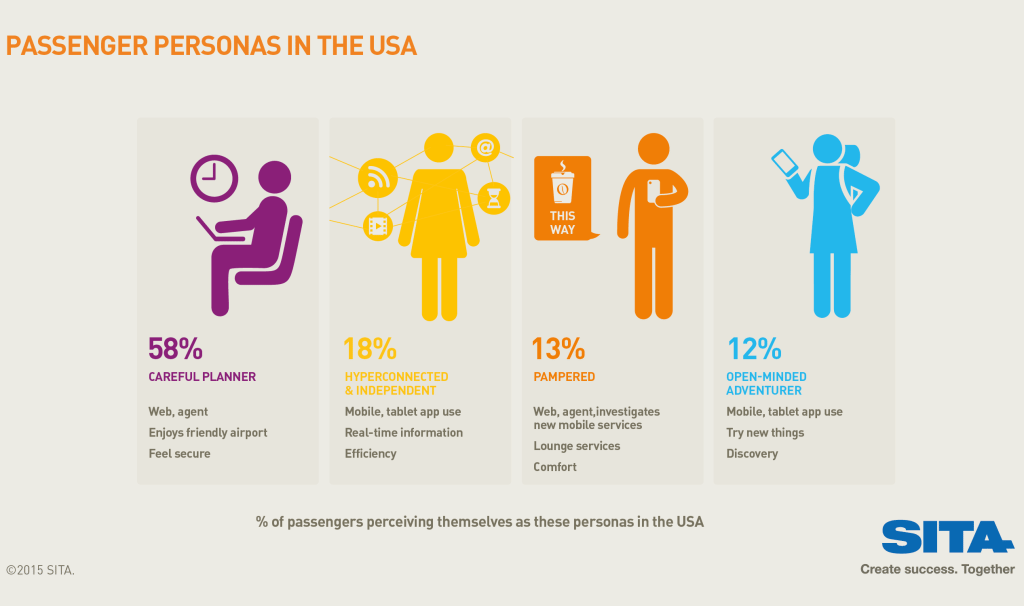
When you connect the dots the fact that only 12% of passengers are willing to pay for extras but over 90% of them want to enjoy them calls airline’s up-selling strategies into question.
Passengers do choose what airline to fly based on network advantage. Fares too. But it is good to see any airline work to turn around a blemished image by focusing on the customer. Friendly never hurts.