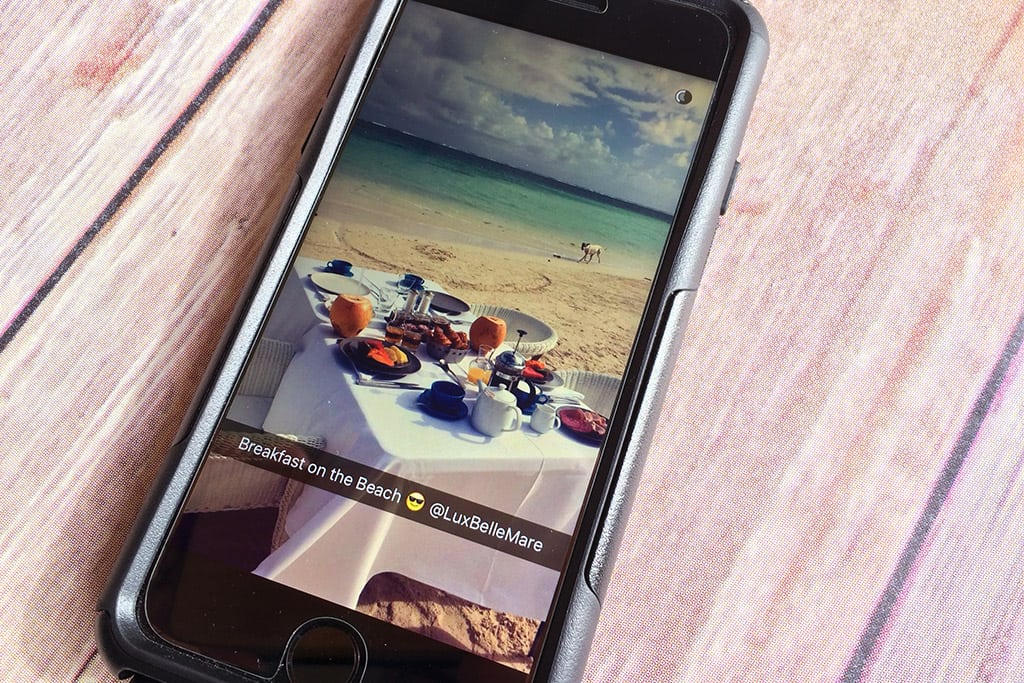
With Snapchat's move towards becoming advertiser-friendly, it may be an opportunity for the travel industry to adapt to the new content-heavy platform.
Visual content creation, curation and distribution presents challenges and opportunities. The best way to deal with the challenges is a consistent, head-on approach to ensure a brand culture that embraces the ins-and-outs of social media engagement and community building.
Social media players like Facebook and Snapchat have had lots of of success capturing bigger shares of travel marketers' advertising budgets. But if they really want to earn the big money traditionally saved for TV campaigns, they'll need to evolve beyond the "social" label.
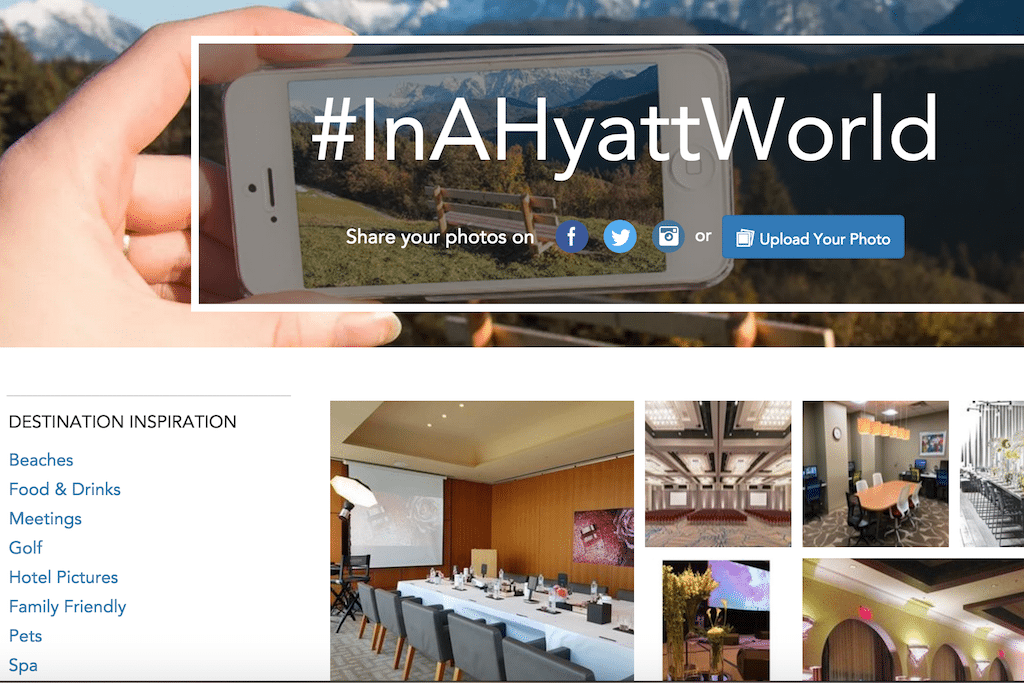
User-generated content is low on cost, and high on returns on engagement, but it's not always being utilized by hotel brands to its greatest advantage says a new report from consultancy firm L2. But is having a lot of UGC necessarily a good thing, or are there better ways for hotels to use them to their advantage?
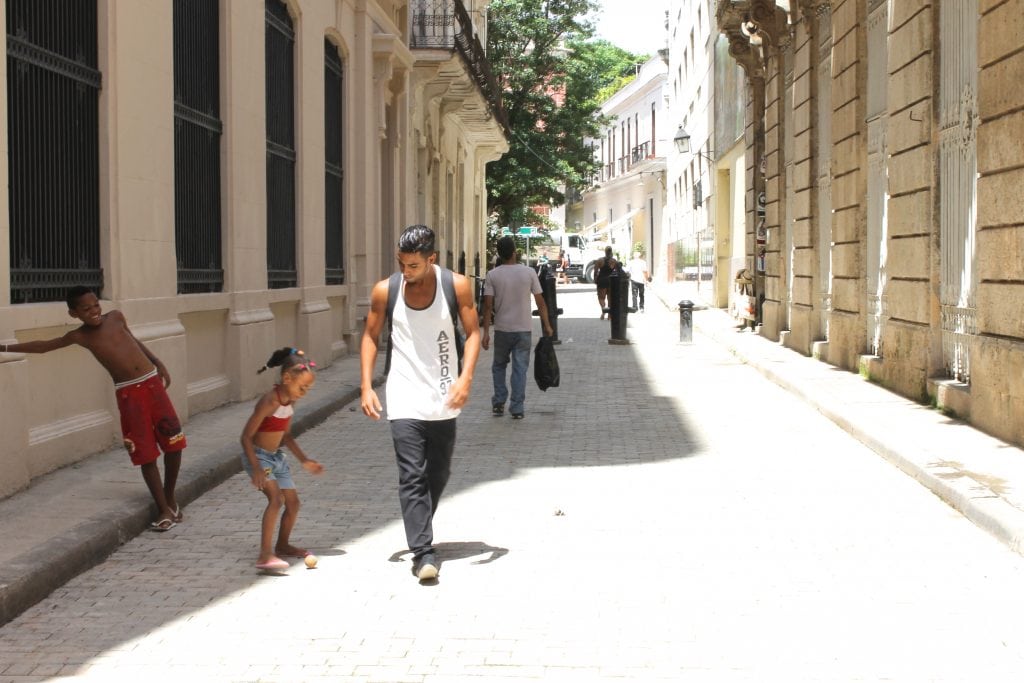
Many travel brands argue that they're all about helping travelers explore destinations from new angles that get them into local lives and surrounded by local communities. Traveler behavior definitely reflects this to some extent in cities throughout the world, but many brands' social media channels don't echo these scenes and instead push safer shots of familiar destinations.
Expedia apparently bailed out Trover, a photography app that created an attractive user experience but ran into a stone wall in the form of Instagram and Facebook, as well as user interest.
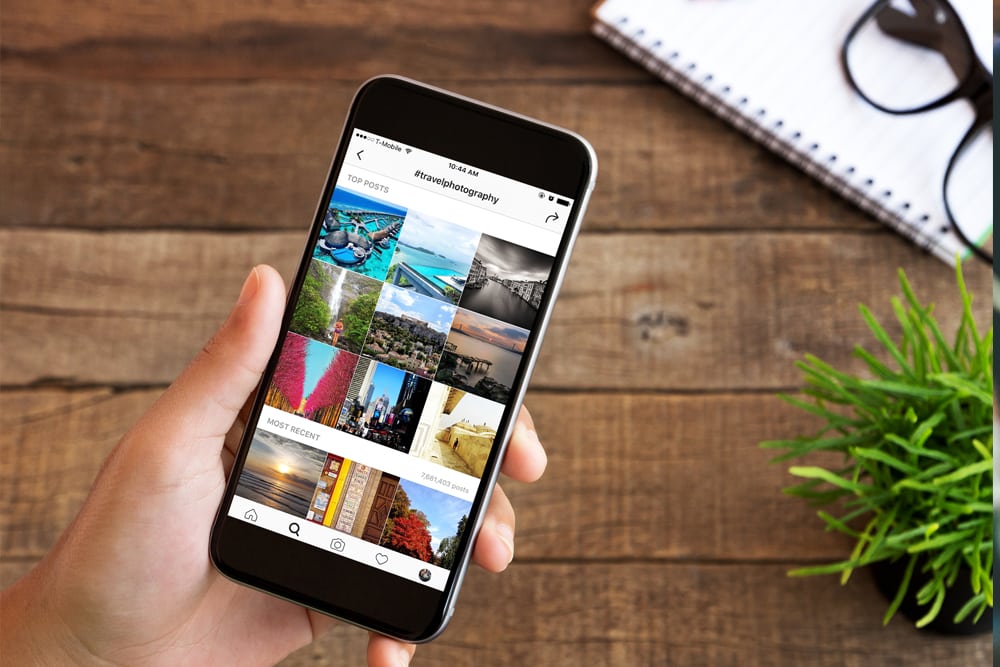
With millions of photos shared by millions of users every day, Instagram has become one of the most effective marketing platforms for travel brands. Watch this free webinar recording to learn the winning strategies for Instagram and best practice case studies from across travel sectors.
Instagram has become one of the most effective marketing platforms for brands to connect with travelers. Join us on Wednesday June 15, 2016 at 2pm EDT for a free webinar hosted by Curalate to learn the winning strategies for the platform and best practice case studies from across travel sectors.
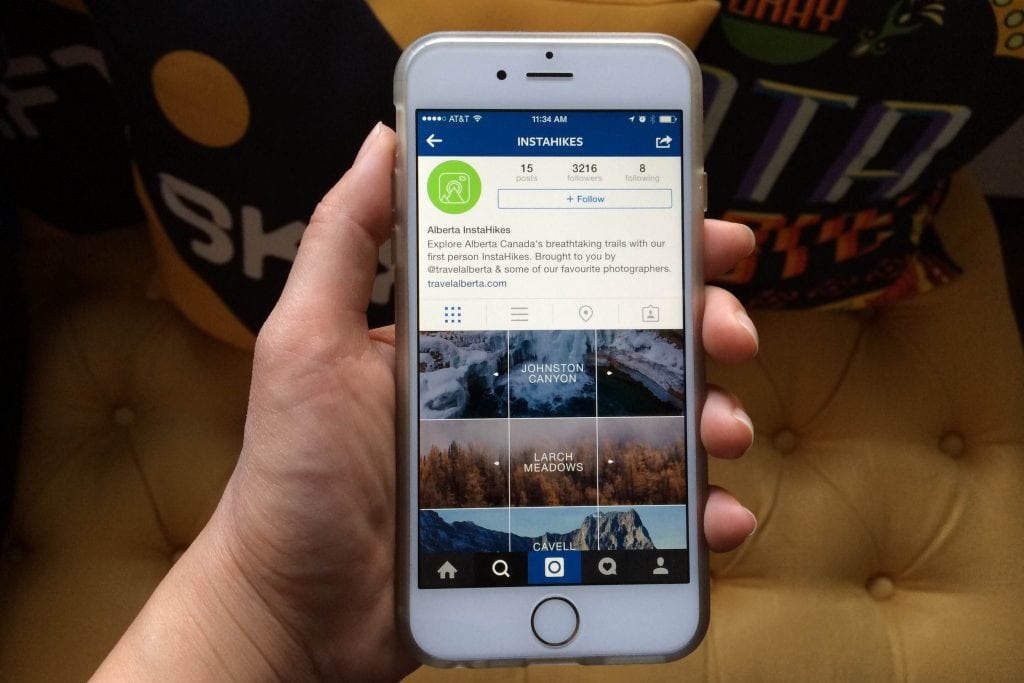
At a time when a lot of brands are looking into virtual reality and 360-degree video to immerse consumers in a destination, this campaign proves that incredible visuals and a killer sense of perspective go a long way toward building brand awareness, and making consumers feel like they're right there with you.